Pressure in Private House Water Supply System — Specifics of Autonomous Systems + Methods of Normalizing Pressure
When it comes to water supply in a private house, one of the crucial factors to consider is the pressure in the system. Unlike centralized water supply systems, private houses often have autonomous systems that rely on different sources of water. The type of system, as well as the devices used, can significantly affect the water pressure. In this article, we will explore the specifics of autonomous water supply systems and discuss the methods used to normalize pressure.
One of the main challenges of maintaining optimal water pressure in a private house is the variation in water source levels. Unlike centralized systems that provide a constant water pressure, autonomous systems often rely on wells, boreholes, or other sources that may not always have a steady flow. This fluctuation in the water source can result in low water pressure, making it difficult to perform daily tasks, such as showering or washing dishes.
To address this issue, various devices and techniques are utilized in autonomous water supply systems. One common device is a pressure booster pump, which is installed to increase the pressure of the water before it reaches the household plumbing. These pumps are typically equipped with a pressure switch that allows them to start and stop automatically, maintaining a consistent water pressure.
Another device often used in autonomous water supply systems is a pressure transducer. This device measures the water pressure and sends a signal to the control unit. The control unit then adjusts the speed of the pump accordingly, ensuring a steady water pressure. Additionally, circulation pumps can be installed to prevent water from becoming stagnant in the pipes. This helps maintain a higher water pressure, especially on higher floors of the house.
In conclusion, when it comes to the water supply in a private house, maintaining a stable water pressure is crucial. Autonomous water supply systems often face challenges due to the nature of their water sources. To overcome these challenges, different devices and techniques can be applied, such as pressure booster pumps, pressure transducers, and circulation pumps. By using these methods, the water pressure can be normalized, ensuring a comfortable and efficient water supply in a private house.
Characteristics of Autonomous Water Supply Systems

In the context of autonomous water supply systems in private houses, it is important to understand their unique features and how they can impact the overall system. One of the main characteristics of such systems is the need for pressure normalization. Unlike centralized water supply, where water pressure is maintained by the utility company, autonomous systems require additional measures to ensure an optimal pressure level.
A common method for pressure normalization in autonomous water supply systems is the use of a hydroaccumulator. This device consists of a membrane and a rotor, which allows it to store water and maintain a stable pressure within the system. By taking into account the specific needs of the household, the hydroaccumulator can provide a more consistent and reliable water flow.
Another characteristic of autonomous water supply systems is the complexity of the equipment. Unlike standard water supply systems, which are relatively straightforward, autonomous systems require careful consideration and planning. This is especially true when choosing the right pumping station, as it needs to account for the specifics of the house and the surrounding environment.
In addition, the location of the water source can also affect the pressure in an autonomous system. If the water source is situated higher than the house, the pressure will naturally be higher, and vice versa. This means that the installation of the water supply system needs to take into account the elevation and potential changes in pressure.
One of the main benefits of autonomous water supply systems is their ability to provide a normal water pressure even in remote areas or during periods of high demand. This makes them a popular choice for countryside houses or vacation homes.
In conclusion, autonomous water supply systems have their own set of characteristics and requirements. It is crucial to consider these factors when designing and installing such systems to ensure optimal performance and a reliable water supply.
Feature 1 — lifting water from a well
One of the main features of autonomous water supply systems in private houses is the ability to lift water from a well. In rural areas or in remote locations, where there is no centralized water supply, this becomes a necessity. The main element that makes it possible to lift the water is a pump. It can be a surface or submersible pump, depending on the depth of the well and the volume of water needed.
When choosing a pump for lifting water from a well, it is necessary to take into account the required flow rate and pressure. The flow rate is usually measured in liters or cubic meters per hour, and the pressure in bars or psi. The optimal parameters will depend on the size of the house, the number of occupants, and their water consumption habits. The pump should be selected in such a way that it provides enough water for all household needs, including drinking, cooking, bathing, and watering the garden.
Another important element in the system for lifting water from a well is a pressure tank. Its main function is to create a reserve of water under pressure, which ensures stable water supply even when there is high demand. The tank accumulates water when the pump is working and releases it when the demand increases. This helps to maintain a stable pressure in the water supply system and eliminates sudden drops or fluctuations.
One of the drawbacks of lifting water from a well is the dependence on the water level in the well. In some regions, especially during dry periods, the water level may decrease, which leads to a decrease in the flow rate and pressure. This can be solved by increasing the depth of the well or using a larger pump. However, these solutions may not be always feasible due to the geological conditions or the cost involved.
In conclusion, the ability to lift water from a well is an important feature of autonomous water supply systems in private houses. The choice of pump and pressure tank should be made with consideration of the house’s water consumption needs and the geological conditions of the area. Despite the potential drawbacks, such systems provide a reliable and sustainable source of water for rural and remote residences.
Feature 2 — Water intake flow rate
The operation of water supply system in a private house has its own specific characteristics. One of such features is the flow rate of water intake. It depends on various factors and affects the stability of the water pressure in the plumbing system.
In an autonomous water supply system, the main source of water is usually a well. The well pump is responsible for pumping water from the well to the house. The pump’s performance and pressure affect the flow rate of water. Additionally, the presence of a hydroaccumulator and circulation pump can also influence the flow rate.
The main purpose of all these elements and equipment is to ensure a stable and sufficient water supply to the house. However, it should be noted that the flow rate can vary depending on the operating conditions and the characteristics of the equipment.
In modern autonomous water supply systems, a membrane pressure tank is often used as a hydroaccumulator. It allows maintaining a constant pressure, which affects the flow rate of water. The pump, which is responsible for pumping water from the well, should be selected with consideration of the required flow rate.
One of the characteristic difficulties in maintaining a stable water flow rate is the possibility of water hammer. This phenomenon occurs when the pressure in the plumbing system changes abruptly. It can lead to water leakage, damage to pipes, and other negative consequences.
To ensure a stable flow rate, it is necessary to regulate and maintain the proper pressure in the water supply system. This can be achieved by adjusting the pump’s performance and using additional devices, such as pressure regulators or flow control valves.
In conclusion, the flow rate of water intake in an autonomous water supply system is influenced by various factors, including the performance of the pump, the presence of a hydroaccumulator, and other equipment. To ensure a stable flow rate, it is important to consider these factors and implement appropriate measures.
Feature 3 — Water Transportation to Consumers
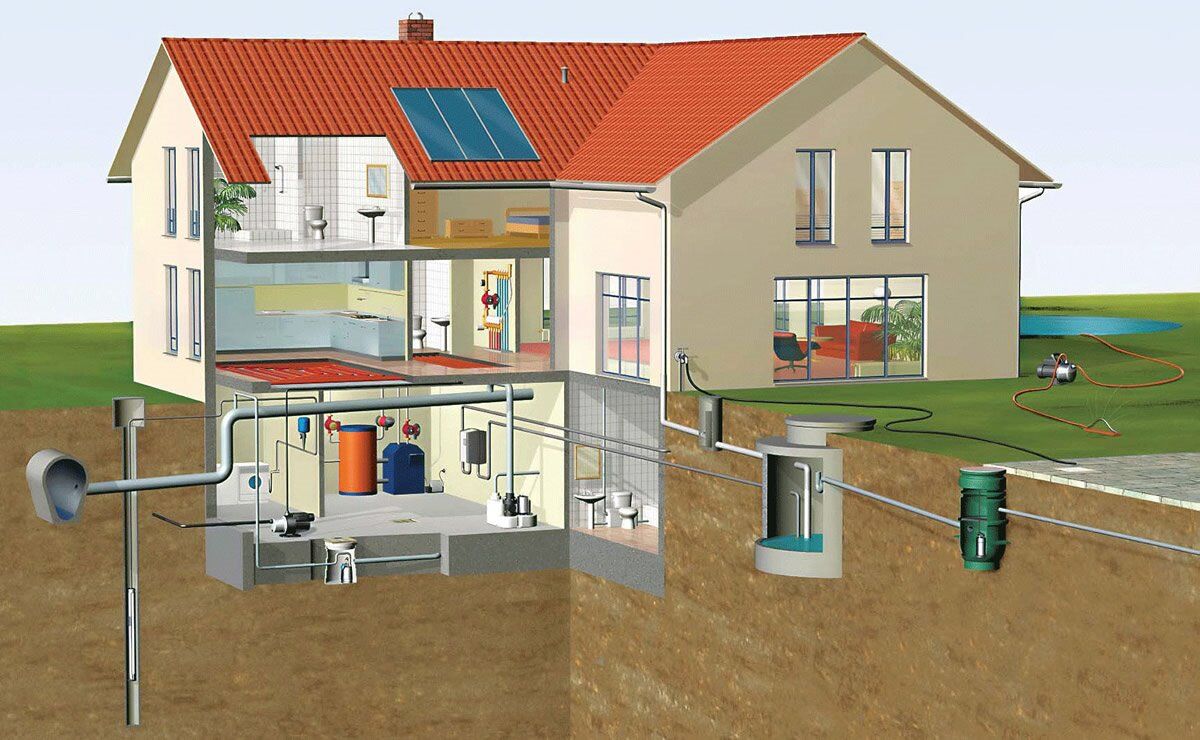
One of the key aspects of autonomous water supply systems in private houses is the transportation of water to the consumers. This process involves several important considerations and components.
Firstly, it is crucial to select the appropriate equipment for this task. A valve is typically used to control the flow of water, allowing it to be directed to different devices as needed. It is important to choose a valve that is compatible with the system and that can handle the required pressure and flow rate.
Secondly, the pipes used for water transportation should be of the correct size and in good condition. The diameter of the pipes should be chosen based on the desired water pressure and flow rate. It is also important to ensure that the pipes are free from leaks or any other damage that could affect the efficiency of the system.
Another consideration is the need for a water storage tank, such as a hydroaccumulator or a water reservoir. These devices help maintain a consistent water pressure by storing water under pressure and releasing it when needed. This is especially important in cases where the water source cannot meet the demand for water at all times.
In addition, the layout and design of the water supply system should be taken into account. This includes the placement of pipes, valves, and other equipment to ensure efficient water transportation. The system should be designed in a way that minimizes pressure losses and ensures a smooth flow of water to all consumers.
Furthermore, it is essential to consider the impact of elevation on water pressure. The higher the elevation, the lower the water pressure will be due to the force of gravity. This can be addressed by using a pump to increase the water pressure to the desired level.
Lastly, the water supply system should be regularly inspected and maintained to ensure its optimal performance. This includes checking for any leaks, repairing or replacing damaged components, and adjusting the water pressure if needed.
In conclusion, the transportation of water to consumers in autonomous water supply systems in private houses involves various considerations. By selecting the appropriate equipment, maintaining the system, and addressing factors such as elevation and water storage, a reliable and efficient water supply can be achieved.
Main standards for water head
Water pressure is an important factor in any private house water supply system. It determines the functioning of various equipment and devices that require a certain pressure level to operate properly. In order to ensure optimal water pressure in a private house, it is necessary to comply with certain standards and use appropriate equipment.
One of the main standards that should be taken into account when determining the water head in a private house is the required pressure for the water supply system. This pressure is usually measured in bar and should be sufficient to ensure the normal operation of all household appliances and fixtures. The typical required pressure for a private house water supply system is 2-4 bar.
In addition to the required pressure, it is also important to consider the method of water supply in a private house. There are two main methods – using a well or connecting to a centralized water supply system. In the case of a well, it is necessary to install a pumping station, which will provide the necessary pressure for the water supply system. In the case of a centralized water supply system, the pressure is usually provided by the water utility company.
When using a well as the water source, it is important to consider the characteristics of the well, such as its depth, the level of water in the well, and the capacity of the well. These factors will determine the required performance and pressure of the pumping station. In general, it is recommended to install a pumping station with a slightly higher performance than the actual water consumption in order to have a reserve and ensure stable water pressure.
There are several methods for increasing water pressure in a private house water supply system. One of the most common methods is to install a pressure booster pump. This pump is usually installed in the pump room or directly in the water supply system and is responsible for increasing the pressure of the water. Another method is to install a circulation pump, which circulates the water in the system and helps to maintain a constant pressure. Additionally, a pressure transducer can be installed to monitor and control the water pressure.
It is worth noting that there are some limitations and disadvantages associated with increasing water pressure in a private house water supply system. One of the main limitations is the maximum pressure that the system can withstand without causing damage to the pipes and fixtures. Therefore, it is important to ensure that the pressure does not exceed the maximum allowed value. Another disadvantage is the increased energy consumption associated with the use of pressure booster pumps.
In conclusion, the main standards for water head in a private house water supply system include the required pressure, the method of water supply, and the characteristics of the well or the water utility system. It is necessary to choose the appropriate equipment and consider the limitations and disadvantages associated with increasing water pressure. By following these standards, it is possible to provide a reliable and adequate water supply to the consumers.
Methods to Increase Pressure
In the context of autonomous water supply systems, there are several methods to increase the pressure in a private house. These methods involve the use of additional equipment and devices to stabilize and normalize the pressure in the water system.
One method is to install a booster pump station. This pumping station is typically equipped with a pump that draws water from a source (such as a well or a reservoir) and increases its pressure before it flows into the water pipes of the house. The pump station can be designed to provide a higher pressure than the standard water supply system. This allows for a more stable and steady flow of water throughout the house, even when multiple faucets are being used simultaneously.
Another method is the use of a circulation pump. This type of pump is often used in systems where the main water source is on a lower level than the house. By installing a circulation pump, water can be constantly circulated from a lower-level source to the upper-level fixtures, ensuring a consistent and optimal pressure throughout the house.
In addition to these methods, it is also possible to increase the pressure in the water system by adjusting the settings of the pressure transducer or replacing it with a higher-capacity one. This device measures the pressure in the system and regulates it accordingly. By choosing a pressure transducer with a higher range, the pressure in the system can be increased.
Finally, the use of a hydroaccumulator can also help stabilize and increase pressure in the water system. This device is essentially a storage tank that accumulates water under pressure. When the pressure in the system drops below a certain level, the hydroaccumulator releases the stored water, thereby increasing the pressure.
It’s important to note that in the construction of autonomous water supply systems for private houses, the issue of pressure is of utmost importance. The pressure in the system should meet the standards and requirements for a normal and comfortable living environment. Considering the specific characteristics of each system, such as the volume of water, the type of equipment used, and the overall layout of the house, it is essential to determine the optimal pressure level to achieve a stable and reliable water supply.
In conclusion, there are various methods available to increase pressure in autonomous water supply systems for private houses. These methods include the installation of booster pump stations, circulation pumps, adjustments to pressure transducers, and the use of hydroaccumulators. Each method has its own advantages and considerations, and the choice of method depends on the specific needs and requirements of the system.
Method 1 — using a circulation pump
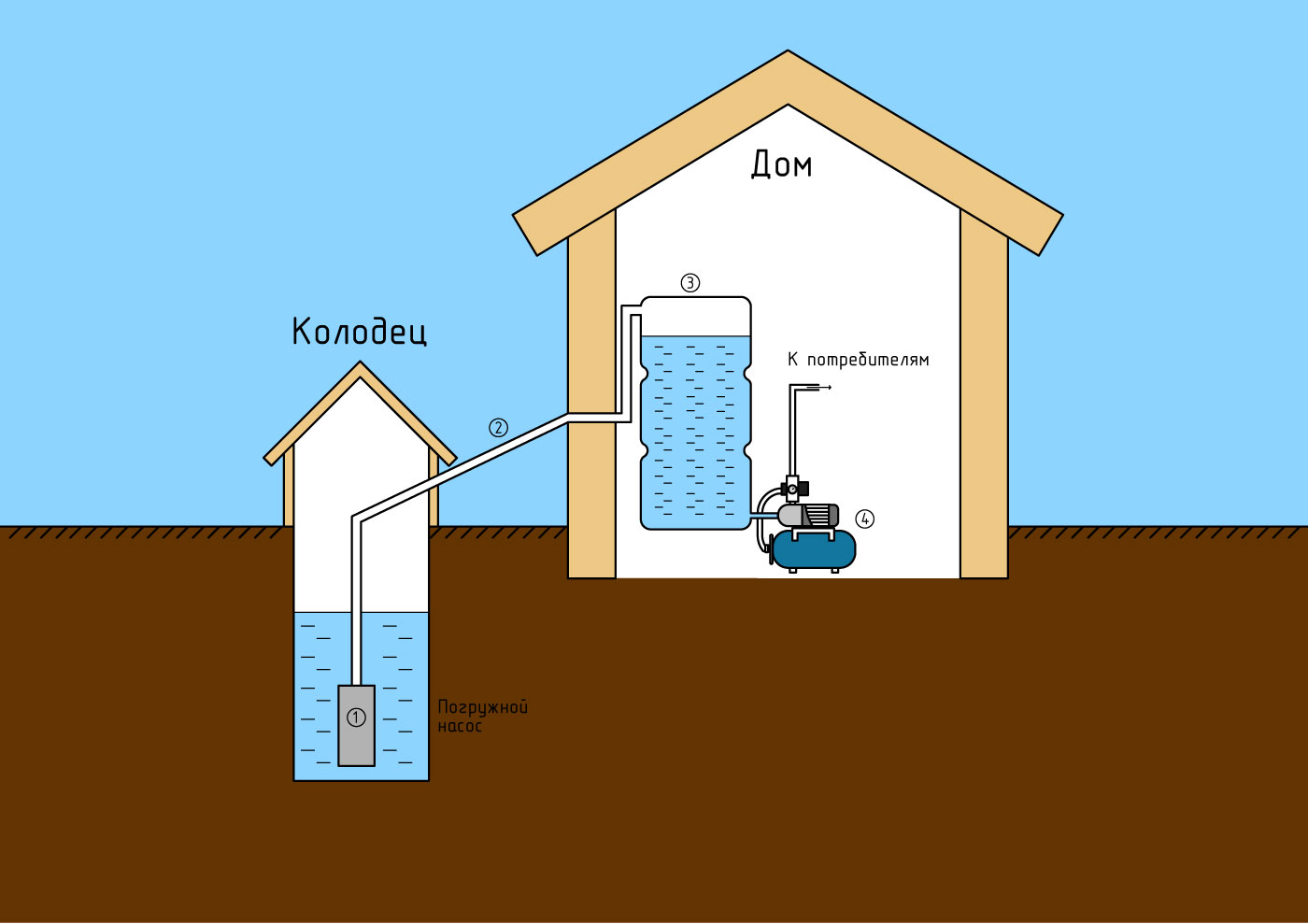
One of the main methods for maintaining optimal water pressure in autonomous water supply systems is the use of a circulation pump. This equipment can be installed in private houses, cottages, and country houses to normalize water pressure.
Autonomous water supply systems, such as wells or boreholes, often face difficulties with water pressure. The size of the water pipes, the distance from the water source, and the presence of other elements in the system can all affect the water pressure. In addition, the construction of the water supply system may not take into account the possibility of water hammering, which occurs when the flow of water is abruptly stopped, causing a shock wave in the pipes.
A circulation pump is a useful device that can solve these issues. It is installed in the water supply system and is responsible for maintaining constant pressure in the pipes. The pump helps to increase the pressure in the system, ensuring that all water fixtures receive an adequate water flow. By choosing the right pump size and taking into account the specific needs of the system, it is possible to achieve the desired water pressure.
When using a circulation pump, there are a few key points to consider. Firstly, the pump should be installed in such a way that it does not affect the normal operation of the water supply system. It should be placed in a location where it can efficiently circulate the water without causing any disruptions. Secondly, the pump should be compatible with the existing equipment and plumbing in the house. It should be able to handle the water flow and pressure requirements of the system. Finally, the pump should be properly maintained and serviced to ensure its longevity and efficiency.
In conclusion, using a circulation pump is an effective method for normalizing water pressure in autonomous water supply systems. It is a reliable and efficient solution that can be tailored to the specific needs of each system. By installing a circulation pump, homeowners can ensure a steady water flow and avoid the negative effects of low water pressure.
Method 2 — Water pumping station equipment
Another option for maintaining the water pressure in autonomous systems, such as private houses, is the use of a water pumping station. This method involves the installation of a pumping station, which includes a pump, a pressure tank, and various devices that regulate and control the water supply system.
The main feature of a water pumping station is that it allows for the use of a greater amount of water at a normal pressure. The station is designed to increase the pressure in the water supply system, taking into account the specific features of the autonomous water intake system. In addition, the pumping station can compensate for fluctuations in water pressure and prevent water hammer.
The pumping station consists of a pump, which can be of various types, such as a centrifugal or submersible pump. The choice of pump depends on the specifics of the water intake system. The pump is responsible for pumping water from the source, such as a well or a borehole, to the pressure tank.
The pressure tank is the key element of the pumping station. It is responsible for maintaining the water pressure at a normal level. The tank is equipped with a membrane, which separates the water and air inside the tank. This membrane allows for the pressurization of the system and prevents water hammer. When the water pressure drops, the compressed air inside the tank forces the water out, maintaining the normal pressure. When the water consumption increases, the pressure drops, and the pump starts to work, refilling the tank with water.
The pumping station also includes various devices for controlling and regulating the water supply system. These devices can monitor the water level, pressure, and flow rate, as well as protect the system from overpressure or lack of water. Some pumping stations also have additional features, such as automatic start and stop of the pump, remote control, and protection against dry running.
The pumping station is a compact and convenient solution for maintaining the water pressure in autonomous water supply systems. It allows for a greater amount of water to be used at a normal pressure and ensures the efficient operation of the pump. The choice of a pumping station should be made based on the specific requirements and characteristics of the water supply system, taking into account the available space and optimal performance.
Stabilizing water pressure in the plumbing system
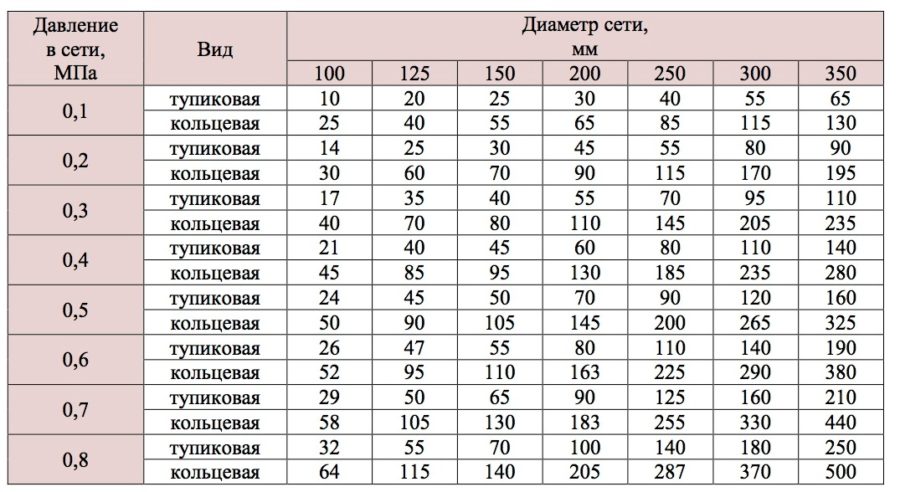
Water pressure is an important factor for a well-functioning water supply system in private houses. The pressure determines the flow rate and affects the performance of various elements in the plumbing system. To ensure a sufficient and stable water pressure, homeowners often rely on a booster pump system.
The main purpose of a booster pump system is to increase the water pressure and deliver water at an optimal level to different points of use in the house. In this system, a pump is installed between the water source and the plumbing system, providing a higher pressure than the existing supply pressure. The pump’s rotor generates the necessary force to push the water through the pipes, ensuring a consistent flow rate and pressure in the entire water supply network.
One of the most common types of booster pump systems used in private houses is the membrane pressure tank system. This system consists of a pump, a pressure tank, and a pressure switch. The pump draws water from the source, such as a well or a water reservoir, and delivers it to the pressure tank. The pressure switch controls the operation of the pump based on the pressure level in the tank.
The pressure tank acts as a buffer by storing water under pressure and releasing it when needed. When the pressure in the system drops below a certain level, the pump starts operating again to fill the tank. This cycle repeats to maintain a constant water pressure throughout the plumbing system.
Stabilizing water pressure in a plumbing system has several benefits. First, it ensures a reliable water supply to all points of use in the house, regardless of the distance from the water source. Second, it allows for a more efficient operation and longer lifespan of household appliances, such as washing machines and dishwashers, which require a consistent water pressure for optimal performance.
When installing a booster pump system, it is essential to consider the specific requirements of the house and the desired water pressure. Factors like the size of the house, the number of bathrooms, and the available water source influence the selection of the pump and the overall system design. Therefore, it is recommended to consult a professional for advice and assistance in choosing the right system and components.
In conclusion, stabilizing water pressure in a private house’s plumbing system is crucial for ensuring a reliable and efficient water supply. The use of a booster pump system with a pressure tank helps to maintain a consistent pressure throughout the system and provides numerous benefits to homeowners.
Conclusion and Useful Video on the Topic
In conclusion, the pressure in the water supply system of a private house is a crucial aspect for ensuring proper functioning and convenience for the consumers. Autonomic systems are often used in such cases, where the pressure can be regulated and adjusted according to the specific needs.
There are several methods for normalizing the pressure in the water supply system. The most common solution is the installation of a pressure boosting system, which includes a pump and a pressure tank. This equipment increases the pressure in the water pipes and ensures a stable flow of water to the consumers.
One important factor that affects the pressure level in a water supply system is the distance between the water source and the consumers. The longer the distance, the more the pressure drops, and the higher the need for pressure boosting equipment.
Another factor to consider is the number of floors in the house. Each floor adds to the resistance in the water pipes and can decrease the pressure. To compensate for this, additional pressure boosting elements, such as pumps and pressure tanks, may be required.
It is also important to note that the type of pump and its rotor design have a significant impact on the pump’s performance and the stability of the water pressure. The choice of pump should be based on the specific characteristics and requirements of the water supply system.
In summary, the normalization of water pressure in an autonomous water supply system involves the use of pressure boosting equipment, such as pumps and pressure tanks. The installation of such equipment ensures a stable level of pressure and a sufficient flow of water to the consumers. The specific needs and characteristics of the water supply system should be taken into account when choosing the appropriate equipment.
Below is a useful video that provides further insights and practical tips on normalizing water pressure in an autonomous water supply system:
Видео:
Слабый напор воды. ЧТО ДЕЛАТЬ? Насос для повышения давления
Слабый напор воды. ЧТО ДЕЛАТЬ? Насос для повышения давления de Глеб Пастушенко 753.335 visualizaciones hace 4 años 9 minutos y 57 segundos


