Infrared Film for Warm Floors — Types, How it Works, and Installation Rules
Infrared film for warm floors is a modern heating system that is gaining popularity in the field of floor coverings. It works on the principle of heat transfer using infrared radiation. The film is made of a polymer material with a carbon layer, which converts electrical energy into heat. This type of film is installed under the floor covering and provides even and comfortable heating throughout the entire surface area.
There are several types of infrared films for warm floors, differing in width, technical characteristics, and manufacturing materials. The main types include carbon-based infrared films and carbon-free infrared films. Carbon-based infrared films are widely used due to their higher heat transfer efficiency, better energy consumption, and lower operating temperature. Carbon-free infrared films are mainly used in the construction of wooden floors, as they minimize the risk of fire during operation.
When installing infrared films for warm floors, it is important to follow certain rules and guidelines. First, the installation surface must be clean, dry, and free from any debris. The film should be installed in a way that it covers the entire floor area, avoiding any gaps or overlaps. It is important to make sure that the film is not damaged during installation, as this can affect its performance. Additionally, the film should be installed in accordance with the instructions provided by the manufacturer to ensure proper functioning.
Advantages and Disadvantages of «Film» Heating
The use of infrared film for underfloor heating has gained popularity in recent years due to its numerous advantages. Here, we will discuss the characteristics of this heating system and its suitability for different types of flooring materials.
Advantages:
| Benefits | Description |
|---|---|
| Energy Efficiency | Infrared film heating systems are known for their low energy consumption, resulting in cost savings for homeowners in the long run. |
| Universal Application | Infrared film can be used with various types of flooring, including tiles, laminates, and hardwood, making it a versatile choice for any room. |
| Easy Installation | The installation of infrared film is relatively simple and can be done by following the manufacturer’s guidelines. This makes it a popular choice for DIY enthusiasts. |
| Optimal Comfort | The even distribution of warmth across the entire floor surface creates a comfortable environment in the room. |
| Moisture Resistance | Infrared film heating systems are resistant to moisture, which makes them suitable for use in humid areas such as bathrooms and kitchens. |
| Space Saving | The thin and flexible nature of the film allows it to be installed directly under the flooring material, saving space in the room. |
Disadvantages:
While infrared film heating systems have many advantages, there are also a few drawbacks that should be considered:
- The temperature of the floor cannot exceed a certain level due to the limitations of the film, which may not be suitable for those who prefer very warm floors.
- The height of the floor will increase slightly due to the additional layer of film, which should be taken into account when planning the overall room design.
- It is important to choose the right type and quality of infrared film, as some low-quality options may not provide efficient heating or last as long as expected. Therefore, thorough research and selecting reputable manufacturers is crucial.
In conclusion, infrared film heating offers various advantages, such as energy efficiency, easy installation, and moisture resistance. However, there are also limitations to consider, including temperature restrictions and the need for careful selection of high-quality materials. Overall, «film» heating can be a suitable option for those looking for a cost-effective and comfortable heating solution for their homes.
Device and principle of operation of IR film
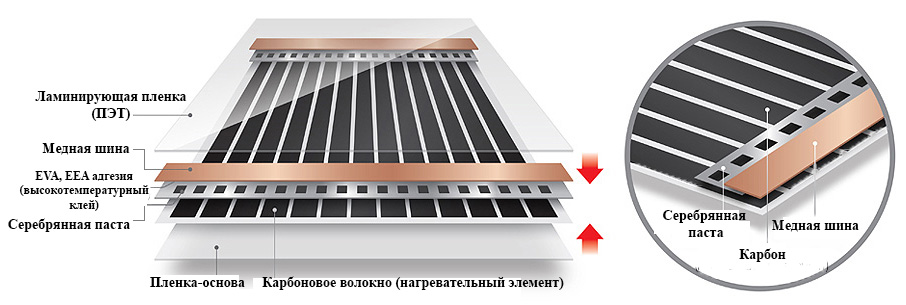
Infrared (IR) film is a type of heating element that is widely used for underfloor heating in various premises. It has become a popular choice due to its characteristics and advantages. The main principle of IR film is based on the ability of certain materials to convert electrical energy into heat. This makes it an efficient and cost-effective solution for providing warmth to a room.
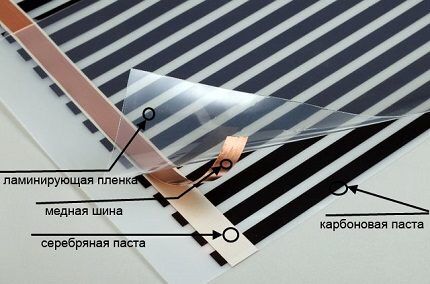
The IR film consists of carbon or graphite strips embedded in a flexible polymer. The width of the strips may vary depending on the manufacturer, but they typically range from a few millimeters to several centimeters. The carbon or graphite element acts as a conductor and generates heat when an electric current passes through it.
One of the main advantages of using IR film for underfloor heating is its ability to provide a uniform distribution of heat. The carbon or graphite strips are evenly distributed throughout the film, which ensures that the entire surface area of the floor receives the same amount of heat. This results in a comfortable and cozy environment for the occupants.
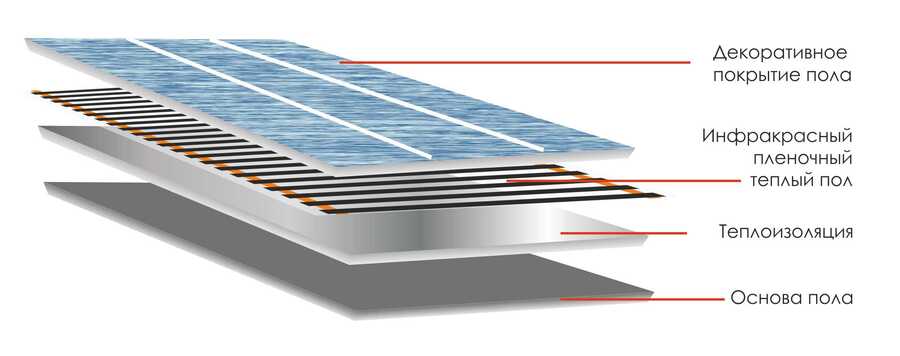
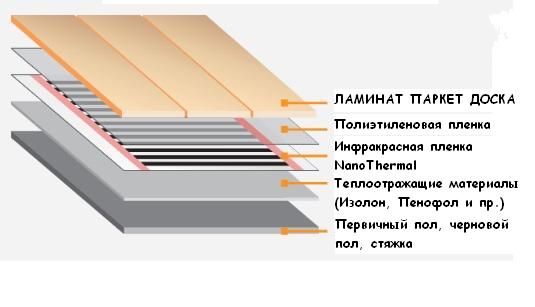
During the installation of IR film, it is important to follow certain rules and guidelines. The film should be placed directly on a clean and dry floor, and any unevenness or protrusions should be removed to ensure proper contact with the heating elements. The film can be easily cut to fit the desired area, making it suitable for different room sizes and shapes.
When selecting an IR film, it is essential to consider the technical specifications and quality of the product. Different manufacturers may offer various types of IR film with different characteristics and heating capacities. It is recommended to choose a high-quality film from a reputable company to ensure its durability and efficiency.
One of the notable features of IR film is its energy-saving capability. It is designed to heat objects and surfaces directly, rather than heating the surrounding air. This means that the heat produced by the film is absorbed by the floor, walls, and furniture, resulting in lower energy consumption.
Despite its advantages, there are some limitations and drawbacks to using IR film for underfloor heating. For instance, it cannot be used under wooden floors, as excessive heat can damage the material. Additionally, the film should not be covered with any insulating materials, as it may lead to overheating. Therefore, careful consideration should be given to the type of flooring and the installation process.
In conclusion, IR film offers a convenient and efficient solution for underfloor heating. Its device and principle of operation allow for uniform heat distribution and energy savings. However, proper selection and installation are crucial to ensure its effectiveness and prevent any potential issues. By considering the technical specifications and following the guidelines provided by manufacturers, one can enjoy the benefits of IR film in their living or working space.
Technical characteristics of the material
When choosing an infrared film for underfloor heating, it is important to consider the technical characteristics of the material. Here is an overview of the key features to help you make an informed decision:
-
Material type: Infrared heating films are available in various types, such as carbon and polymer. Carbon films are more durable and have a longer lifespan compared to polymer films. They are also more energy-efficient, making them a popular choice.
-
Heating capacity: The heating capacity of infrared films is measured in watts per square meter (W/m²). It determines how much heat the film can emit. The optimal heating capacity depends on the needs of the space and the desired level of warmth.
-
Installation: Infrared films are relatively easy to install. They can be placed under different types of floor coverings, including laminate, tiles, and even wooden floors. However, it is important to follow the manufacturer’s guidelines for proper installation.
-
Energy consumption: One of the advantages of infrared heating films is their energy efficiency. They consume less energy compared to traditional heating systems, resulting in lower heating costs. This makes them an eco-friendly option.
-
Compatibility: Infrared films are compatible with most existing heating systems, making them a versatile choice for both new constructions and renovations. They can be easily integrated into the overall heating system of a building.
-
Heat distribution: Infrared films provide even heat distribution, ensuring comfortable warmth throughout the room. They emit radiant heat that warms objects and people directly, rather than heating the air. This results in a more efficient and comfortable heating experience.
-
Safety: Infrared heating films are safe to use and operate. They have built-in safety measures to prevent overheating and are protected against short circuits. However, it is important to follow all safety instructions provided by the manufacturer.
-
Longevity: The lifespan of infrared heating films can vary depending on the quality of the product and proper maintenance. However, with regular care and maintenance, they can last for many years, providing consistent warmth and comfort.
Considering these technical characteristics will help you make an informed decision when choosing an infrared film for your underfloor heating system.
Types and features of thermal film selection
When choosing a thermal film for your warm floor, it is important to consider various factors such as the type of flooring, the size of the room, and the desired heating effect. There are several types of thermal films available on the market, each with its own advantages and characteristics.
| Type | Description |
|---|---|
| Carbon film | This type of thermal film is made of carbon elements and is designed for efficient heat transfer. It is suitable for various types of flooring, including laminate, tiles, and wooden surfaces. Carbon films have a low energy consumption and evenly distribute heat across the entire floor surface. |
| Infrared film | Infrared thermal films generate heat by emitting infrared rays. They are particularly suitable for rooms with high ceilings or areas with increased heat loss. Infrared films are known for their rapid heating effect and efficient energy consumption. |
| Universal film | Universal thermal films combine the advantages of carbon and infrared films. They can be used for various types of flooring and have a wide operating temperature range. Universal films are often chosen for their versatility and ability to meet the heating needs of different rooms. |
When selecting a thermal film, it is important to consider the technical characteristics and specific requirements of your project. The size of the room will determine the power output and the number of heating elements needed. The type of flooring will affect the choice of film, as certain materials may require additional insulation layers. Additionally, the desired heating effect and energy consumption should be taken into account.
It is recommended to choose thermal films from reputable manufacturers who offer high-quality products. Reading customer reviews and looking for certifications and warranties can help ensure the reliability and durability of the chosen thermal film.
Before installation, it is necessary to carefully plan the layout and consider the location of furniture and other objects in the room. It is important to follow the instructions provided by the manufacturer for proper installation and avoid damaging the film during the process. It is also crucial to test the system after installation to ensure proper functionality and fix any issues if necessary.
In conclusion, the selection of a thermal film for a warm floor is a crucial step in the overall system setup. Considering the specific requirements of your project, the technical characteristics of different film types, and the reputation of the manufacturer will help you make an informed decision. Proper installation and regular maintenance will ensure efficient heating and the longevity of your warm floor system.
Varieties of IR films for warm floors
When choosing an infrared film for a warm floor, it is necessary to take into account certain characteristics and features of various types of films. There are several popular varieties of IR films on the market today. Let’s take a closer look at them:
- Carbon IR films
- Graphite IR films
- Thermal films
Carbon IR films are widely used for the underfloor heating system. They have an optimal width and are made from an elastic polymer, which allows them to be easily installed. These films are characterized by their universality and can be used under different types of flooring, such as tiles, laminate, and wooden floors. Carbon IR films can efficiently distribute heat evenly throughout the room, providing a comfortable temperature.
Graphite IR films, on the other hand, function based on a different principle. They generate heat through the use of graphite elements, which are responsible for the absorption and emission of infrared energy. These films are also quite versatile and can be used under different types of flooring.
Thermal films, also known as thermo films, have specific characteristics that make them stand out. They come with a temperature sensor and can regulate the heating process by turning on and off when necessary. This makes them more energy-efficient and allows for better control of the temperature in the room.
When choosing an IR film for a warm floor, it is important to consider the specific requirements of the room and the type of flooring. The installation should be carried out according to the manufacturer’s instructions and the necessary precautions should be taken to ensure safety. It is also worth noting that infrared films should not be exposed to moisture, as this can damage the film and reduce its efficiency.
In conclusion, there are several varieties of IR films available on the market, each with its own characteristics and features. The choice of film will depend on the specific requirements of the room, the type of flooring, and the desired temperature control. It is important to carefully consider all these factors before making a purchase, and to follow the installation guidelines provided by the manufacturer for optimal performance and longevity of the IR film.
Signs of a Quality Product
When choosing an infrared film for a warm floor, it is important to pay attention to certain characteristics that indicate the quality of the product. Here are some signs to look for:
1. Carbon-Based Elements: The infrared heating films are usually made with carbon-based elements, which ensure efficient and even heat distribution throughout the room.
2. Energy Efficiency: High-quality films have low energy consumption, making them cost-effective and environmentally friendly.
3. Temperature Control: A quality infrared film for a warm floor will have built-in temperature control mechanisms, allowing you to set and maintain the desired temperature in the room.
4. Universal Application: Look for films that can be used under all types of floor coverings, including wooden and open floors. This versatility ensures that the film can be installed in any room without limitations.
5. Safety Measures: The film should be equipped with safety features to prevent overheating and avoid any potential hazards.
6. Moisture Resistance: A quality infrared film should be resistant to moisture, ensuring its durability and longevity.
7. Warranty and Company Reputation: Choose a product that comes with a warranty and is produced by a reputable company. This will guarantee the quality and reliability of the infrared film.
By considering these signs of a quality product, you can ensure that the infrared film for your warm floor will meet your heating needs effectively and efficiently.
Overview of popular manufacturers of IR film
When choosing infrared film for your warm floor heating system, it is important to consider several popular manufacturers. Each company offers different types of infrared films with their own unique characteristics and advantages. Here is an overview of some of the top manufacturers:
| Manufacturer | Characteristics | Advantages | Disadvantages |
|---|---|---|---|
| Company A | — Different widths available — Suitable for all types of flooring — Can be used in wet rooms — Provides even heat distribution |
— Energy efficient — Easy installation — High temperature resistance |
— Higher price — Limited availability |
| Company B | — Thin and flexible material — Can be used under furniture — Can be installed on walls or ceilings — Provides uniform heating |
— Cost-effective — Wide range of widths available — Resistant to moisture and humidity |
— Lower maximum temperature — Requires professional installation |
| Company C | — Different temperature zones available — Can be customized to fit any room size — Suitable for both open and closed spaces — Can be used under any type of flooring |
— Easy to control temperature settings — Uniform heat distribution — Long lifespan |
— Requires precise measurements for installation — Higher initial cost |
Before making your final decision, it is recommended to thoroughly research and compare the technical specifications, pricing, and customer reviews of all the infrared film options. Additionally, consider the specific requirements and characteristics of your heating system and the area where it will be installed. This will help you make the optimal choice for your warm floor heating project.


