The Ultimate Guide to Choosing and Using a Metal-Plastic Pipe Cutter — Types, Tips, and Recommendations
If you are planning to install or repair a plumbing system in your home or workplace, having the right tools is essential. One of the most important tools you will need is a tube cutter for metal-plastic pipes. With so many different types of cutters available on the market, choosing the right one can be challenging.
Tube cutters are the most commonly used tools for cutting pipes. They are designed to make clean, precise cuts on metal-plastic pipes of various diameters. Using a tube cutter is much easier and more efficient than using a hacksaw or other manual cutting tools. Plus, it allows you to work in tight spaces and awkward angles, making it ideal for both professional plumbers and DIY enthusiasts.
When it comes to choosing a tube cutter, there are several factors to consider. One of the most important factors is the type of cutter you need. There are two main types: the ratcheting tube cutter and the roller tube cutter. Each type has its advantages and is suitable for different situations.
The ratcheting tube cutter, also known as the spud wrench, is a professional-grade tool that is perfect for heavy-duty cutting tasks. It features a spud that allows you to apply more force to the cutting wheel, resulting in a clean, even cut. This type of cutter is best suited for larger diameter metal-plastic pipes and can withstand continuous use.
In what cases do you need a pipe cutter?
A pipe cutter is a necessary tool for working with metal-plastic pipes. It allows for precise and even cuts, ensuring the integrity of the entire system. Depending on the brand and model, pipe cutters can come in various types, each suitable for different pipe diameters and materials.
For smaller projects or those on a budget, manual pipe cutters often provide a cost-effective solution. These handheld tools typically feature a cutting wheel and a handle. By placing the cutting wheel against the pipe and rotating the tool, a clean and precise cut can be made. However, using manual pipe cutters requires some effort, as pressure needs to be applied consistently for even cutting.
For larger jobs or when precision is key, a professional pipe cutter is often the best choice. This type of pipe cutter may include additional features such as a ratcheting mechanism or rollers to facilitate smooth cutting. Brands like Milwaukee offer high-quality pipe cutters that can handle a wide range of pipe sizes.
When choosing a pipe cutter, it is important to consider the specific needs of your project. The tool should be able to accommodate the diameter of the pipes you will be working with. Additionally, the cutting mechanism should be suitable for the type of material you will be cutting. Metal-plastic pipes, for example, require a pipe cutter with a blade designed for this specific material.
Regardless of the type of pipe cutter you choose, it is important to understand how to use it properly. Always follow the manufacturer’s instructions and take necessary safety precautions. Remember to wear protective goggles and gloves when operating a pipe cutter.
In summary, a pipe cutter is essential for working with metal-plastic pipes. It allows for precise and even cuts, ensuring the integrity of the entire system. Depending on the project’s size and requirements, different types and models of pipe cutters are available. By choosing the right tool and following proper usage guidelines, you can achieve accurate and professional results in your pipe cutting tasks.
Advantages of Manual and Electric Pipe Cutters
When it comes to cutting metal-plastic pipes, there are two main types of pipe cutters that are commonly used: manual and electric. Both types have their own advantages and choosing the right one depends on your needs and budget.
1. Manual pipe cutters:
Manual pipe cutters are affordable and easy to use. They consist of a handle and a cutting mechanism, usually a blade or a cutting wheel. You can easily cut metal-plastic pipes with diameters of up to 3-4 inches using a manual pipe cutter. The cutting mechanism works by applying pressure on the pipe and rotating it, which allows for precise and clean cuts without deformation.
One popular model of manual pipe cutter is the ratchet pipe cutter, which has a handle with a ratchet mechanism that allows for easy cutting with minimal effort. Another common type is the scissor pipe cutter, which resembles a pair of scissors and is suitable for cutting small-diameter pipes.
2. Electric pipe cutters:
Electric pipe cutters, on the other hand, are more expensive but offer the convenience of automatic cutting. These models come with a motorized cutting mechanism that does the cutting for you. All you have to do is position the pipe and activate the cutter.
Electric pipe cutters are ideal for professional use and for working with larger volumes of metal-plastic pipes. They can handle pipes with diameters ranging from small to large, making them suitable for a wide range of applications.
One of the main advantages of electric pipe cutters is their speed and efficiency. They can cut through pipes quickly and accurately, saving you time and effort. Additionally, electric pipe cutters often have features like clamps or rollers that hold the pipe in place during cutting, reducing the risk of deformation or incorrect cuts.
In conclusion, both manual and electric pipe cutters have their own advantages and it is important to choose the right one for your specific needs. If you are on a budget or need a tool for occasional use, a manual pipe cutter should suffice. However, if you require a tool for professional use or have to work with large volumes of metal-plastic pipes, an electric pipe cutter is the better option.
Remember to always follow the manufacturer’s instructions and use the pipe cutter correctly to ensure safe and efficient operation.
Types of Tools by Cutting Element Type
When it comes to cutting metal-plastic pipes, you will need a specific tool designed for this purpose. There are several types of pipe cutters available on the market, each with its own advantages and functionalities. In this section, we will discuss the different types of pipe cutters based on their cutting element.
- Roller Cutters: These pipe cutters are the most popular choice for cutting metal-plastic pipes. They feature a cutting wheel that rotates around the pipe as you apply pressure. This type of cutter is easy to use, and the cutting wheel maintains a constant cutting depth, ensuring a clean and precise cut.
- Scissor Cutters: Scissor cutters work by using two sharp blades to cut through the pipe. They are suitable for cutting pipes in tight spaces or hard-to-reach areas. Scissor cutters are commonly used for small-scale and home projects.
- Automatic Cutters: If you want a tool that makes the cutting process easier and faster, an automatic pipe cutter is your best choice. These cutters are equipped with a motor that drives the cutting wheel, eliminating the need for manual rotation. They are ideal for large-scale projects with a high volume of cutting.
- Hinged Cutters: Hinged pipe cutters are specifically designed for cutting thick-walled pipes. They feature a hinge mechanism that allows the tool to securely grip the pipe, providing stability during the cutting process. Hinged cutters are commonly used in industrial settings and for professional plumbing installations.
- Chop Cutters: Chop cutters, also known as snap cutters, are designed for cutting larger diameter pipes. These cutters feature multiple cutting wheels that are positioned around the pipe. When the tool is squeezed, the cutting wheels simultaneously apply pressure and cut through the pipe, resulting in a clean and precise cut.
It’s important to choose the right type of pipe cutter based on your specific needs and the nature of your project. Consider factors such as the size and material of the pipe, the ease of use, and the overall efficiency of the tool. With the wide range of pipe cutters available on the market, there is a suitable option for every situation.
Type 1 — ratchet pipe cutter or scissors
One of the most common types of pipe cutters for metal-plastic pipes is the ratchet pipe cutter or scissors. This tool is widely used due to its convenience and reliability. If you need a pipe cutter that is suitable for working with metal-plastic pipes, then a ratchet pipe cutter may be the best choice for you.
The main advantage of a ratchet pipe cutter is that it allows you to cut the pipe with precision and ease. The ratchet mechanism ensures a smooth and uniform cutting process, resulting in clean and accurate cuts. This is especially important when working with metal-plastic pipes, as they require precise cuts to ensure a tight and secure fit.
A ratchet pipe cutter usually has a curved blade that fits around the pipe, with a handle on one side and a cutting mechanism on the other. To cut the pipe, you simply place the curved blade around the pipe and squeeze the handles together. The ratchet mechanism allows you to apply gradual pressure, ensuring that the pipe is cut evenly and cleanly.
Another advantage of a ratchet pipe cutter is its ease of use. Unlike other types of pipe cutters, which may require additional tools or adjustments, a ratchet pipe cutter can be operated with a simple squeeze of the handles. This makes it a great choice for both professional plumbers and DIY enthusiasts.
When choosing a ratchet pipe cutter, it is important to select a model that is suitable for the size of the pipe you will be cutting. Different models of ratchet pipe cutters are available, each designed to handle specific pipe diameters. Make sure to choose the right model for your needs to ensure optimal performance.
In conclusion, a ratchet pipe cutter or scissors is a versatile and efficient tool for cutting metal-plastic pipes. Its precision, ease of use, and ability to create clean cuts make it a popular choice among professionals and DIY enthusiasts alike. Consider adding a ratchet pipe cutter to your toolkit for all your pipe cutting needs.
Type 2 — roller tool
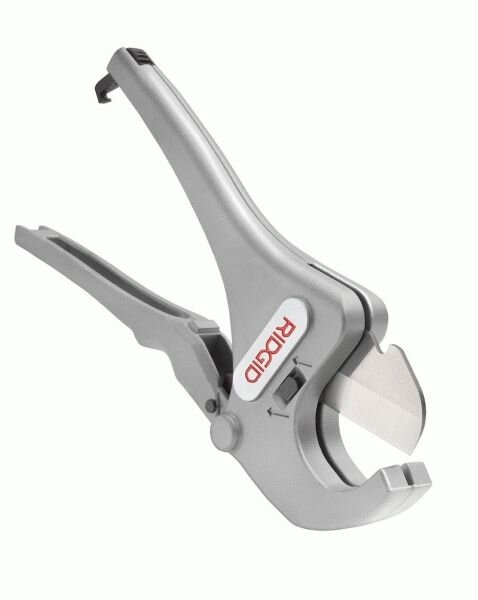
One of the common types of pipe cutters for metal-plastic pipes is the roller tool. This type of tool is widely used due to its efficiency and ease of use. The roller cutter is designed to make clean and precise cuts on metal-plastic pipes.
The roller cutter consists of a cutting wheel and a handle. The cutting wheel is made of high-quality steel and has sharp edges that can easily cut through the metal-plastic pipe. The handle provides a comfortable grip and allows the user to apply the necessary pressure for cutting.
Using a roller cutter is quite simple. First, you need to mark the spot where you want to make the cut on the pipe. Then, place the cutting wheel of the roller cutter on the mark and apply pressure while rotating the cutter around the pipe. The sharp edges of the cutting wheel will slowly cut through the pipe, creating a clean and precise cut.
One of the advantages of the roller cutter is its ability to make cuts without deforming the pipe. The roller cutter’s design ensures that the pressure is evenly distributed around the pipe, preventing any deformation or damage. This is especially important when working with metal-plastic pipes, as any deformation can compromise the integrity of the pipe and lead to leakage or other issues.
There are various models of roller cutters available on the market, ranging from manual ones to top-of-the-line electric pipe cutters. Each model offers its own set of features and advantages. For example, some roller cutters have a ratchet mechanism that allows for easier cutting in tight spaces, while others have a quick-release feature that allows for faster pipe installation.
When choosing a roller cutter, it is important to consider the specific needs of your project. Consider the size and thickness of the pipes you will be working with, as well as the volume of pipes you will need to cut. Additionally, consider the quality and durability of the roller cutter, as investing in a high-quality tool can save you time and money in the long run.
In conclusion, the roller cutter is a versatile and efficient tool for cutting metal-plastic pipes. Its simple design and ease of use make it a popular choice among both professionals and DIY enthusiasts. Whether you need to make a few cuts or a large number of cuts, a roller cutter can help you achieve clean and precise results without damaging the pipe.
View 3 — guillotine for even cutting
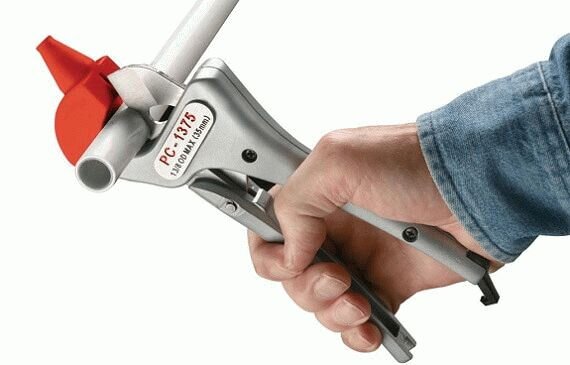
In the market of metal plastic pipe cutters, there are various types of tools available for different needs. One of the options is a guillotine cutter, which provides a precise and even cut for metal plastic pipes. This type of cutter is particularly useful for installation and mounting purposes.
A guillotine cutter features a mechanism that allows for a smooth and controlled cutting motion. It is a budget-friendly alternative to other types of pipe cutters and is often preferred by both professionals and DIY enthusiasts. With its wide range of models and brands, it offers a suitable option for every user.
The guillotine cutter operates by placing the metal plastic pipe in the tool’s designated area, aligning it with the cutting blade. Once the pipe is positioned correctly, the user can lower the handle, which activates the cutting mechanism. The blade of the cutter is designed to evenly cut through the pipe’s surface, providing a clean and precise cut.
Compared to other manual pipe cutters, a guillotine cutter excels in its ability to deliver a uniform cut. Its design allows for consistent, even cutting, which is essential for achieving reliable connections in plumbing or other construction projects.
Furthermore, using a guillotine cutter is relatively easy. The user simply needs to secure the pipe within the cutting area and operate the cutter’s handle. With its ergonomic handle and comfortable grip, it allows for smooth and effortless cutting motions. Some models also feature a lock or latch mechanism that holds the pipe firmly in place during the cutting process.
In terms of maintenance, guillotine cutters are generally low-maintenance tools. They require occasional cleaning and lubrication to ensure smooth operation. However, it is essential to follow the manufacturer’s guidelines for specific maintenance instructions for each model.
When choosing a guillotine cutter, it is crucial to consider the size of the metal plastic pipes you will be working with. Different models are available for various pipe sizes, so it is essential to select a cutter that fits the diameter of the pipes you will be cutting.
Overall, a guillotine cutter is a valuable tool for anyone working with metal plastic pipes. Its ability to provide even, precise cuts makes it an excellent choice for installations and mounting activities. Whether you are a professional or a DIY enthusiast, a guillotine cutter can be an asset in your toolbox.
Model 4 — clamp lock type
The clamp lock type pipe cutter has a cutting blade that allows for precise and even cuts. The perpendicular cutting action ensures a clean and smooth cut without any deformation of the pipe. The cutter’s design also includes a handle with a clamp lock, which provides stability and security when making the cut.
One of the main advantages of the clamp lock type pipe cutter is its ease of use. With this model, you can easily cut metal-plastic pipes within the specified limits. The cutter’s locking mechanism ensures that the pipe is held firmly in place, minimizing the chance of slippage or misalignment during the cutting process.
The clamp lock type pipe cutter is suitable for use in various conditions. Whether you need to make a quick cut or work in tight spaces, this model will meet your needs. Its compact size and easy handling make it a convenient tool for both professional plumbers and DIY enthusiasts.
In addition to its usability, the clamp lock type pipe cutter offers the possibility of using manual force to make the cut. This means you don’t have to rely on external power sources or batteries, making it a cost-effective option. You can simply use the handle to apply pressure and control the cutting process.
When choosing a pipe cutter, it’s important to consider the quality and durability of the tool. The clamp lock type pipe cutter is known for its reliability and long service life. Many reputable brands, such as Ridgid, offer this model on the market, ensuring its high quality and functionality.
To summarize, the clamp lock type pipe cutter is a suitable tool for cutting metal-plastic pipes. Its advantages include the ability to make precise and even cuts, easy handling, and the possibility of manual operation. Whether you are a professional or a DIY enthusiast, this model can meet your needs in various working conditions.
Tips for choosing the right pipe cutter
When it comes to cutting metal-plastic pipes, having the right tool for the job is essential. A precision pipe cutter designed specifically for this type of pipe can make all the difference in achieving clean and accurate cuts. Here are some tips to help you choose the best pipe cutter for your needs:
| 1. Type of Cutter | There are two main types of pipe cutters available on the market — manual and automatic. Manual pipe cutters, such as scissors or blade cutters, require physical force to cut the pipe. Automatic pipe cutters, on the other hand, have a built-in mechanism that allows for quick and effortless cutting with just a simple rotation or clamp. |
|---|---|
| 2. Blade Quality | The quality of the cutting blade is crucial for achieving clean and precise cuts. Look for a pipe cutter that has high-quality, durable blades that are resistant to corrosion. This ensures that the tool will last longer and maintain its cutting performance even after prolonged use. |
| 3. Handle Design | The handle design of a pipe cutter can greatly affect the ease of use and comfort during cutting. Opt for a cutter with ergonomic handles that provide a comfortable grip and minimize hand fatigue. Some pipe cutters also come with dual handles for added stability and control. |
| 4. Pipe Diameter | Consider the range of pipe diameters that the cutter can handle. Different pipe cutters have varying capacities, so make sure you choose one that can accommodate the size of the pipes you frequently work with. It’s always better to have a cutter that can handle a larger range of diameters. |
| 5. Brand Reputation | Choosing a pipe cutter from a reputable brand can give you assurance of its quality and reliability. Top brands in the market, such as Ridgid, offer professional-grade pipe cutters that are known for their durability and precise cutting performance. |
By considering these factors, you can make an informed decision on selecting the most suitable pipe cutter for your metal-plastic pipes. Investing in the right tool will not only save you time and effort but also ensure accurate and clean cuts every time.
Top Models on the Tools Market
When it comes to cutting metal-plastic pipes, having a reliable pipe cutter is essential. With so many models available, it can be difficult to choose the right one for your needs. Here, we will introduce you to some of the top models on the market that are perfect for cutting metal-plastic pipes.
One of the most popular types of pipe cutters is the ratcheting pipe cutter. These cutters are great for cutting metal-plastic pipes, as they allow for precise and even cuts. They feature a cutting blade that is operated by a ratcheting mechanism, making it easy to cut through pipes with minimal effort. Whether you need to cut a small section or a larger piece, a ratcheting pipe cutter is a reliable choice.
Another great option is the roller pipe cutter. These pipe cutters have a C-shaped or S-shaped design, allowing for easy cutting in tight spaces. They feature multiple roller blades that rotate around the pipe, ensuring a clean and precise cut. Roller pipe cutters are especially useful for cutting metal-plastic pipes in hard-to-reach areas.
If you prefer an electric pipe cutter, there are plenty of models available on the market. Electric pipe cutters are powered by electricity and offer quick and efficient cutting. They are perfect for cutting metal-plastic pipes in high volumes or for professional use. With an electric pipe cutter, you can easily cut through pipes without exerting physical effort.
For those on a budget, there are also budget-friendly options available. These pipe cutters may not have all the extra features of the top models, but they still get the job done. They are perfect for DIY projects or for occasional use around the house.
When choosing a pipe cutter, it’s important to consider the quality and durability of the tool. Look for reputable brands that are known for their high-quality tools. Additionally, consider the type and size of the pipes you will be cutting. Different pipe cutters are designed for different types and sizes of pipes, so make sure to choose one that is suitable for your needs.
In conclusion, there are various types and models of pipe cutters available on the market. Whether you need a manual pipe cutter or an electric one, there is a wide range of options to choose from. Consider your specific needs, such as the type and size of the pipes you will be cutting, and determine which pipe cutter will work best for you. With the right pipe cutter, you can easily cut metal-plastic pipes with precision and efficiency.
Budget Tools for Home Use
When it comes to cutting metal pipes, especially metal-plastic pipes, having the right tool is essential. There are various options available in the market, but not all of them are suitable for home use or have an affordable price tag. In this article, we will explore budget-friendly tools that you can use for your DIY projects at home.
1. Scissors: One of the simplest and most budget-friendly options for cutting metal-plastic pipes is to use scissors specifically designed for this purpose. These scissors have precision blades that can easily cut through the pipe. Simply place the pipe in between the blades and apply pressure to make a clean cut. Scissors are ideal for small projects or when you need to make quick cuts.
2. Pipe Cutter: Another budget-friendly option is a pipe cutter. This tool works by clamping onto the pipe and slowly rotating it as you tighten the cutter. The cutting wheel inside the tool gradually cuts through the metal-plastic pipe, creating a clean and precise cut. Pipe cutters are available in various sizes and can handle different diameters of pipes.
3. Hack Saw: If you have a hack saw with the appropriate blade for cutting metal, you can also use it to cut metal-plastic pipes. It’s a manual tool that requires some effort, but it gets the job done. Simply mark the desired length, secure the pipe in a vise or with clamps, and carefully saw through the pipe using back and forth motions.
Before using any of these budget-friendly tools, make sure to take proper safety precautions. Wear protective gloves and goggles to protect yourself from any sharp edges or flying debris. Additionally, ensure that the pipe is securely held in place to prevent it from moving during the cutting process.
While budget tools may not have all the advanced features of top-of-the-line equipment, they serve their purpose well in domestic settings. They are capable of cutting through metal-plastic pipes with precision and ease, making them suitable for most home DIY projects.
Remember, cutting metal-plastic pipes requires a steady hand and attention to detail. Take your time to measure and mark the pipe accurately before cutting. This will help you achieve a clean and precise cut.
In conclusion, budget tools such as scissors, pipe cutters, and hack saws are practical options for cutting metal-plastic pipes at home. They offer affordability without compromising on functionality. Choose the tool that best fits your needs and project requirements, and always prioritize safety when working with any kind of tools.
Professional Equipment for Pipe Cutting
When it comes to cutting metal-plastic pipes, it’s essential to have the right tools for the job. One of the most popular options for this task is a pipe cutter. With a wide range of models available, you can find the one that suits your needs and budget.
Pipe cutters come in various types, but the most common ones are the scissor-type cutters and the S-shaped cutters. Both of these designs offer precise cutting and are easy to use.
Scissor-type pipe cutters work by using sharp blades to create a clean and even cut. They typically have a handle and a hook-like element for holding the pipe in place. By applying pressure with the handle and making a rotational movement, the cutting action is accomplished smoothly and efficiently. This type of pipe cutter is ideal for smaller pipes and projects.
S-shaped cutters, also known as C-shaped or S-shaped tube cutters, have a more advanced mechanism for cutting pipes. They often feature a roller with a cutting wheel that moves along the S-shaped track, allowing for precise and uniform cutting. This type of pipe cutter is suitable for larger pipes and can handle more heavy-duty applications.
When choosing a pipe cutter, consider the brand and the model’s construction. Look for high-quality blades that can resist wear and tear to ensure durability. It’s also essential to select a pipe cutter that can handle the diameter range of the pipes you’ll be working with. Some models have adjustable blades or multiple-sized clamps, making them more versatile.
To use a pipe cutter correctly, first, secure the pipe in the cutter’s clamps or hook. Apply steady pressure while rotating the cutter around the pipe. The cutting process should be smooth, and the blade should glide easily through the pipe. Remember to keep your hands away from the cutting area for safety.
It’s worth noting that while pipe cutters offer a precise and efficient way to cut pipes, there are other options available, such as hacksaws or power tools. These tools may be suitable for certain cases, but they can lead to uneven cuts, deformation, or damage to the pipes in inexperienced hands. Therefore, it makes sense to invest in a proper pipe cutter for the best results.
In conclusion, when it comes to cutting metal-plastic pipes, having the right tools can make the job much easier. Pipe cutters offer a precise and efficient way to cut pipes, with various types and models available. By choosing the right pipe cutter for your needs and using it correctly, you can ensure clean, even cuts without any issues. Don’t forget to prioritize safety and invest in a high-quality pipe cutter to save both time and money in the long run.
How to Properly Cut Metal-Plastic Pipes?
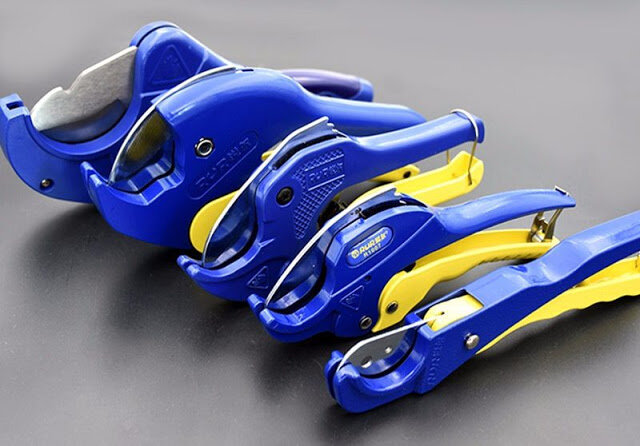
Metal-plastic pipes are widely used in plumbing systems due to their durability and flexibility. When it comes to cutting these pipes, there are different tools available on the market. It’s essential to choose the right tool for the job to ensure a clean and precise cut without any deformation or damage to the pipe.
One of the most popular tools for cutting metal-plastic pipes is a pipe cutter. There are two main types of pipe cutters to consider: precision and budget cutters.
Precision pipe cutters, such as those offered by the Milwaukee brand, are designed to provide accurate cuts with minimal effort. These cutters usually have a roller guide that helps to keep the cutting wheel aligned with the pipe, ensuring a smooth and even cut. Precision pipe cutters are ideal for professional use or when handling a large volume of metal-plastic pipes.
On the other hand, budget pipe cutters, like Sturm or Ridgid, are more affordable options for occasional or DIY use. These cutters may not offer the same level of precision as their high-end counterparts but can still get the job done with satisfactory results.
In addition to pipe cutters, there are also scissors and guillotines specifically designed for cutting metal-plastic pipes. These tools operate by applying pressure to the pipe and then cutting through it. While they may require more effort to use compared to pipe cutters, they can be a suitable choice for smaller pipe diameters and lower volumes.
When using a pipe cutter or any other cutting tool, it’s important to follow these steps:
- Measure the pipe and mark the desired cutting point.
- Secure the pipe in place, either using the cutter’s clamp or a vise.
- Position the cutting wheel or blade of the tool at the marked point.
- Tighten the cutter’s handle or activate the tool’s cutting mechanism.
- Rotate the cutter around the pipe, applying even pressure.
- Continue rotating until the pipe is cut through.
It’s crucial to ensure that the cutting wheel or blade is sharp and in good condition before starting. Dull blades may result in uneven cuts or require excessive force to cut through the pipe, potentially causing damage or deformation.
In conclusion, the choice of tool for cutting metal-plastic pipes depends on the required precision and the volume of pipes to be cut. Precision pipe cutters, such as those from Milwaukee, offer accurate and effortless cuts, making them ideal for professional use or heavy-duty applications. Budget cutters and other cutting tools, like scissors or guillotines, can be suitable for occasional use or smaller pipe diameters. Regardless of the tool chosen, proper handling and maintenance are essential to achieve clean and precise cuts without causing any damage to the metal-plastic pipes.
Conclusion and useful video on the topic
In conclusion, when it comes to selecting a pipe cutter for metal-plastic pipes, there are several options to consider. One popular type is the manual pipe cutter, which is simple to use and suitable for home installations. This type of cutter is operated by turning the handle to cut through the pipe with precision.
For more professional and efficient cutting, there are electric pipe cutters available. One such model is the RIDGID pipe cutter, which features a rotating blade mechanism and roller wheels to clamp and cut the pipe. These tools can handle a wide range of pipe diameters and are ideal for working with metal-plastic pipes.
When choosing a pipe cutter, it’s important to consider the diameter of the pipes you will be working with. Some models are designed specifically for certain pipe sizes, so be sure to select one that suits your needs.
In terms of the advantages and disadvantages, manual pipe cutters are generally cheaper and easier to use, but require more physical effort. Electric pipe cutters, on the other hand, offer faster and more precise cutting but can be more expensive.
To better understand how to use a pipe cutter and see it in action, check out this informative video:
This video provides a step-by-step guide on how to properly use a pipe cutter, demonstrating the techniques and precautions involved in cutting metal-plastic pipes. By following the instructions in the video, you can ensure accurate and efficient pipe cutting for your home or professional projects.
Видео:
Выбор типа трубы. Инженерная сантехника.
Выбор типа трубы. Инженерная сантехника. de ВсеИнструменты.ру 546.854 visualizaciones hace 1 año 47 minutos


