All you need to know about self-leveling the floor in the bathroom
When renovating a bathroom, it is important to pay attention to the floor. A properly leveled and durable floor is the basis for a successful tile installation. In the process of laying tiles, it is necessary to maintain the correct order and ensure the evenness of the entire surface. There are different ways to level the floor, and one of the most popular options is using self-leveling compounds.
Self-leveling compounds are mixtures that are applied to the floor to create a smooth and even layer. They are used to level irregularities and provide a solid foundation for the tile installation. The main advantage of self-leveling compounds is their ability to accurately level the floor without the need for additional leveling layers.
When preparing the self-leveling compound, it is important to follow the instructions and proportions specified by the manufacturer. The mixture is usually in the form of a cementitious powder, which is mixed with water to create a fluid consistency. The prepared self-leveling compound is then poured onto the floor and spread evenly using a trowel or a special leveling tool.
In order to ensure a high-quality floor leveling, it is essential to pay attention to the requirements of the tile covering. The self-leveling compound should be mixed and applied within a certain period of time to avoid drying or setting before the tile installation. It is also important to take into account the shrinkage of the self-leveling compound during the drying process. Depending on the type of self-leveling compound used, the drying time may vary.
In addition to leveling the floor, self-leveling compounds also provide other benefits, such as increased strength, improved adhesion, and enhanced resistance to moisture. They can be used on various types of surfaces, including concrete, wood, and existing tile floors. Self-leveling compounds are especially recommended for high-moisture areas, such as bathrooms, where proper waterproofing is crucial.
Requirements for floors and screeds
In the process of self-leveling the floor in the bathroom, it is important to use the right materials and follow certain rules to ensure a high-quality and durable result. Here are some requirements for floors and screeds:
| Requirement | Description |
|---|---|
| Dry substrate | Before starting any floor leveling work, it is essential to ensure that the substrate is dry. Moisture can affect the adhesion and durability of the leveling materials. |
| Old floor removal | If the existing floor is in poor condition, it is recommended to remove it before applying the leveling screed. This will help create a clean and even surface for the new floor. |
| Surface preparation | Proper surface preparation is crucial for achieving a smooth and level floor. This includes removing any dust, dirt, or debris, as well as fixing any cracks or damages on the substrate. |
| Use of primer | Applying a primer before pouring the leveling screed helps improve adhesion and ensures better bond between the substrate and the leveling material. |
| Suitable leveling material | Choose the right type of leveling material based on the specific requirements of your bathroom. There are various options available, such as self-leveling compounds, dry packs, or pre-mixed leveling mortars. |
| Proper mixing and application | Follow the manufacturer’s instructions for mixing and applying the leveling material. This includes the correct water-to-mix ratio and proper application techniques. |
| Drying and curing time | Allow sufficient time for the leveling screed to dry and cure before proceeding with tile installation. This will ensure a stable base and prevent future issues. |
| Waterproofing | In wet areas of the bathroom, it is important to apply a waterproofing membrane or coating over the leveling screed to protect it from water damage. |
By following these requirements and using the right materials and techniques, you can ensure a successful self-leveling process for your bathroom floor. Remember to always consult with professionals if you are unsure about any aspect of the work or if you encounter any difficulties.
Types of Self-Leveling Floor Screeds
When it comes to self-leveling the floor in your bathroom, there are various types of screeds that you can choose from. Each type has its own advantages and is suitable for different situations.
- Traditional Cement Screed: This type of screed is made from a mixture of cement, sand, and water. It is commonly used and readily available, making it a popular choice for many homeowners. However, it requires skilled labor and can be time-consuming to prepare.
- Anhydrite Screed: Anhydrite screeds are made from a calcium sulfate binder and fine aggregates. They are quick to dry and can be installed as a thin layer. Anhydrite screeds are especially useful when you have underfloor heating, as they can conduct heat effectively.
- Self-Leveling Compound: Self-leveling compounds are a popular choice due to their ease of use. They come in a pre-mixed form and only require the addition of water. This makes them ideal for DIY projects as they can be easily applied by homeowners. However, it is important to follow the manufacturer’s instructions to ensure a successful installation.
- Epoxide Screed: Epoxide screeds are made from resin and have excellent resistance to chemicals and abrasion. They are commonly used in industrial settings where durability is a major concern. Epoxide screeds can be applied as a thin layer and provide a smooth, seamless surface.
- Polyurethane Screed: Polyurethane screeds are known for their resistance to impact and their ability to withstand heavy loads. They are commonly used in areas that require high levels of hygiene, such as hospitals and food processing facilities. Polyurethane screeds are also easy to clean and maintain.
Choose the type of screed that best suits your needs and requirements. It is important to consider factors such as the condition of the existing floor, the desired finish, and the expected foot traffic. Additionally, always follow the manufacturer’s instructions and consult a professional if necessary to ensure a successful self-leveling floor installation.
Wet screed

The wet screed is a common method used in bathroom floor leveling, and it involves the use of a cementitious material mixed with water. This method is suitable for rooms with high humidity and when there is a need for a thicker layer of leveling material.
During the preparation of the wet screed, the old floor should be cleaned, removing any loose or damaged areas. Then, the surface should be primed to improve adhesion and prevent the occurrence of air bubbles. Additionally, the use of leveling laths is recommended to ensure an even thickness of the screed.
The wet screed is prepared by mixing cement, sand, and water in the right proportions. The recommended ratio is approximately 1 part cement to 4 parts sand, but it may vary depending on the manufacturer’s instructions. The mixture is then poured onto the floor, starting from one corner of the room and spreading it evenly using a straightedge or trowel.
It is essential to work quickly during the pouring and spreading of the wet screed to prevent it from drying prematurely. However, it is also important to avoid overworking the mixture, as excessive mixing can weaken the strength and increase the risk of cracking. The screed should have a thickness of about 20-40 mm, depending on the desired leveling effect.
After the wet screed is poured and leveled, it needs to cure for a certain period before further flooring installation. The curing time can vary but is typically around 24 hours. During this time, it is crucial to prevent the screed from drying too quickly or being exposed to excessive moisture, which can result in cracks and poor adhesion.
Once the wet screed is fully cured, it provides a smooth and level surface for the installation of additional floor coverings such as tiles or wooden flooring. It is important to note that wet screeds are less prone to shrinkage and offer better leveling capabilities compared to dry screeds. However, they require additional drying time and may be more problematic to apply in certain situations.
In summary, the wet screed is a suitable option for leveling bathroom floors. It is crucial to follow the recommended preparation steps and ensure proper curing for optimal results. By using this method, you can achieve a strong and even surface, providing a solid foundation for various floor finishes.
Semi-Dry Screed
Semi-dry screed is a fast and convenient method to level the floor in your bathroom. Unlike traditional wet screed, which requires significant drying time and can be problematic in case of flooding or water leaks, semi-dry screed offers a quicker solution with minimal risks.
When using semi-dry screed, it is important to ensure that the old floor is clean and free from any debris or rubbish. The surface should be dry, and if necessary, a waterproof membrane should be applied. The screed is then poured in the form of squares or with the help of levelling laths, gradually building up the thickness and leveling the floor.
One of the advantages of semi-dry screed is that it can be done without the need for any additional materials. The screed producer usually provides recommendations for the optimal proportions and mixing process. By following these guidelines, you can achieve a smooth and even surface in your bathroom.
After the screed has been applied, it is important to let it rest for approximately 24 hours to allow for proper drying and settlement. Any excess screed should be removed, and the surface can be sanded if necessary to achieve a perfect result.
In the case of semi-dry screed, you can also start tiling the bathroom sooner compared to traditional wet screed. This is because the drying process is significantly faster, allowing you to complete the renovation in a shorter time frame.
Overall, semi-dry screed is a reliable and efficient method for leveling the floor in your bathroom. With its ease of use, quick drying time, and minimal risks, it is a recommended choice for any bathroom renovation project.
Pouring Floor
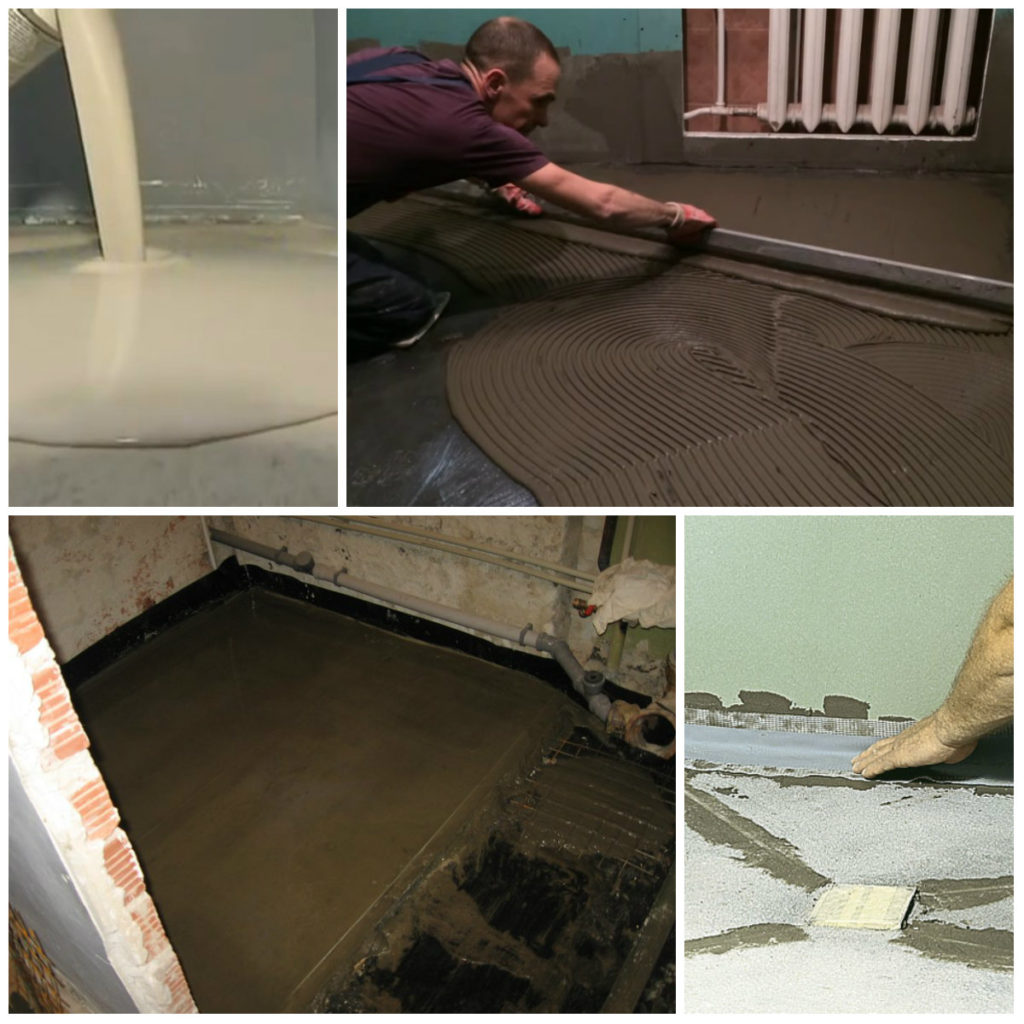
In the process of self-leveling the bathroom floor, one of the methods that can be used is the pouring floor technique. This technique is suitable for areas with uneven or damaged floors, as well as for achieving a smooth and level surface for the installation of tiles or other flooring materials.
The pouring floor method involves the use of a self-leveling compound that is made up of cementitious materials and additives. This compound is mixed with water to create a liquid mixture that can be poured onto the existing floor. The main advantage of this method is the ability to easily and quickly level the floor, as well as the absence of the need for extensive and time-consuming preparation work.
To ensure the proper application of the pouring floor technique, the following steps should be followed:
- Preparation of the existing floor: Before pouring the self-leveling compound, it is important to remove any loose or damaged layers of the old floor. This can be done by using a scraper or other suitable tools.
- Cleaning the surface: The surface of the existing floor should be thoroughly cleaned to remove any dust, dirt, or other debris. This can be done by using a broom or vacuum cleaner.
- Applying a primer: To improve the adhesion between the self-leveling compound and the old floor, a primer should be applied. This can be done by using a roller or brush.
- Preparing the self-leveling compound: The self-leveling compound is typically supplied in a dry form. To prepare the mixture, it should be mixed with water according to the manufacturer’s instructions. This can be done using a bucket and a drill with a mixing attachment.
- Pouring the self-leveling compound: The mixture should be poured onto the floor in a controlled manner, using a spirit level and a straight-edge as guides. The self-leveling compound should be spread evenly across the entire surface of the room.
- Smoothing and leveling: After pouring the self-leveling compound, it should be smoothed and leveled using a trowel or a smoothing tool. This will help to eliminate any imperfections and ensure a uniform thickness of the layer.
- Curing and drying: The self-leveling compound should be left to cure and dry for the specified period of time, which is usually indicated by the manufacturer. During this time, it is important to avoid walking on the floor or applying any loads.
The pouring floor technique is a reliable and efficient method for achieving a level surface in the bathroom. With the proper use of self-leveling compounds, it is possible to obtain a smooth and even floor for the installation of tiles or other flooring materials.
It is worth noting that the pouring floor technique is not suitable for areas with significant structural problems or water damage. In such cases, it is necessary to address the underlying issues before proceeding with the floor leveling process.
Overall, the pouring floor technique offers a convenient and effective solution for the self-leveling of bathroom floors. By following the recommended steps and using high-quality materials, it is possible to achieve a durable and aesthetically pleasing result.
| Advantages | Disadvantages |
|---|---|
| — Quick and easy leveling | — Not suitable for significant structural problems |
| — No extensive preparation work | — Requires proper preparation and application |
| — Suitable for uneven or damaged floors | — Requires curing and drying period |
| — Provides a smooth and level surface | — Not recommended for areas with water damage |
| — Ideal for tile installation | — Requires proper cleaning and priming |
Tile adhesive leveling
When it comes to self-leveling the bathroom floor, one effective method is using tile adhesive. This method is quick and easy, as it eliminates the need for large amounts of leveling compounds or old floor removal. Depending on the condition of your floor and the type of tile you are using, tile adhesive can be a suitable solution.
The process starts with preparing the surface. It is important to clean the floor thoroughly and remove any dust or debris. Next, apply a primer to ensure proper adhesion. Once the primer has dried, mix the tile adhesive according to the manufacturer’s instructions. Typically, tile adhesive is mixed with water, but some manufacturers offer pre-mixed adhesives.
Apply the adhesive to the floor using a trowel or a notched trowel. Start in a corner and work your way towards the exit. Make sure to spread the adhesive evenly and at the recommended thickness. It is important to work quickly, as tile adhesive has a fast setting time. Once the adhesive is applied, let it set for the specified amount of time.
After the adhesive has set, you can start laying the tiles. Place each tile firmly in the adhesive, aligning it with the guidelines previously marked on the floor. Use a tile spacer to ensure even spacing between tiles. Continue laying the tiles until the entire floor is covered. Once the tiles are in place, use a tile cutter to trim any excess tile along the edges.
After the tile adhesive has fully cured, you can grout the tiles. Mix the grout according to the manufacturer’s instructions and apply it to the gaps between the tiles using a grout float. Once the grout is applied, wipe off any excess with a damp sponge. Allow the grout to dry completely before using the bathroom.
Using tile adhesive for leveling is a convenient method that eliminates the need for additional leveling materials and provides a strong and durable floor. It is important to follow the manufacturer’s instructions and choose the right type of adhesive for your specific tile and floor conditions. With the help of tile adhesive, you can achieve a level and smooth bathroom floor without the hassle of traditional leveling methods.
Order of work when leveling the floor
When leveling the floor in the bathroom, it is important to follow a specific order of work to ensure a smooth and even surface. Here are the steps to follow:
- Preparation: Start by removing any old tiles or flooring from the bathroom. Clean the surface thoroughly to remove any dirt, dust, or debris. Make sure the floor is dry and free from any moisture.
- Priming: Apply a layer of primer to the floor to improve adhesion and ensure a strong bond between the leveling compound and the existing surface.
- Mixing the leveling compound: Follow the instructions on the packaging to mix the leveling compound. It is usually a combination of cement and sand with water. Mix the components in the correct proportions to achieve the desired consistency.
- Applying the leveling compound: Pour the mixed leveling compound onto the floor, starting from one corner and working your way towards the exit. Use a trowel or a screed board to spread the compound evenly across the entire surface. Make sure to work quickly as the compound can start to set and harden within a limited time.
- Smoothing the surface: Use a straightedge or a level to ensure that the surface is flat and level. Smooth out any ridges or uneven areas by adding more leveling compound and repeating the process.
- Drying: Allow the leveling compound to dry completely before proceeding with any further work on the floor. This may take several hours or even overnight, depending on the type of leveling compound used.
- Finishing: Once the leveling compound is dry, you can proceed with installing tiles or any other flooring material of your choice. Follow the manufacturer’s instructions for the specific flooring material.
Following this order of work will help you achieve a professionally leveled floor in your bathroom. It is important to ensure that the surface is dry, clean, and free from any old flooring for the best results. Taking these steps will also help prevent any future issues, such as cracks or unevenness in the floor.
Surface Preparation
Before starting the floor leveling process in your bathroom, it is essential to prepare the surface properly. Here are the steps you need to follow:
- Remove any old flooring materials or tiles from the bathroom floor. Make sure the surface is clean and free from debris.
- Check for any cracks or damages in the subfloor. Repair them before moving forward to ensure a stable base for the leveling process.
- Apply a waterproofing membrane or hydro-isolation layer. This will prevent water damage and protect the subfloor from moisture. Follow the instructions provided by the membrane manufacturer.
- If there are any uneven spots or high points on the floor, use a leveling compound to smoothen them. Apply the compound according to the manufacturer’s instructions and allow it to dry completely.
- After the leveling compound has dried, you can start preparing the floor for tile installation. Use a tile adhesive recommended by the tile manufacturer. Apply a thin layer of adhesive on the subfloor using a trowel.
- Start laying the tiles according to your desired pattern. Use tile spacers to ensure even spacing between each tile. Adjust the tiles as needed to achieve a straight and level surface.
- Once the tiles are laid, allow them to dry and set according to the adhesive manufacturer’s instructions.
- After the tiles are completely set, mix a grout mixture according to the manufacturer’s instructions. Apply the grout using a grout float, filling in the gaps between the tiles.
- Wipe off any excess grout with a damp sponge before it dries. Allow the grout to dry completely.
- Finally, seal the grout lines with a grout sealer to protect them from stains and water damage.
By following these steps, you can ensure a properly prepared surface for self-leveling your bathroom floor. It is important to pay attention to each stage of the process to achieve a level, strong, and durable floor. Remember to wear protective gear and follow proper safety guidelines during the entire process.
Hydroproofing
Hydroproofing is an important step in the process of self-leveling the floor in the bathroom. It is necessary to ensure the durability and reliability of the flooring, as well as to prevent water damage to the underlying structures.
There are several ways to carry out hydroproofing in the bathroom. One common method is to use ready-made hydroproofing materials, such as waterproofing membranes. These membranes are easy to install and provide a good level of protection against water penetration. It is recommended to use a waterproofing membrane with a minimum thickness of 0.8 mm to ensure effective water resistance.
Another method is to use a dry mix for hydroproofing. This method involves applying a layer of dry mix on the floor surface, which absorbs water and prevents it from reaching the underlying structures. The dry mix is typically made of sand and cement, and it is applied in a uniform layer with a thickness of about 1-2 cm.
In the case of an old wooden floor, it is recommended to use a special hydroproofing technology called «semi-dry screed.» This technology involves the use of a self-leveling compound that is specially designed for wooden floors. The compound is applied in a layer of about 2-3 cm, and it dries quickly, providing a waterproof surface for tiling.
During the hydroproofing process, it is important to ensure that the entire floor surface is covered with the hydroproofing material. This includes the walls and the area around the shower or bathtub. The hydroproofing material should also be applied to the joints between the walls and the floor to prevent water leakage.
After the hydroproofing material is applied, it should be left to dry for a certain period of time, depending on the type of material used. In the case of liquid hydroproofing membranes, the drying time is usually about 24 hours. For dry mixes, the drying time can be as short as 1 hour.
Once the hydroproofing layer is dry, it is ready for further steps in the self-leveling process, such as the application of a leveling compound or the installation of tiles. The hydroproofing layer provides a stable and moisture-resistant base for these subsequent steps.
In conclusion, hydroproofing is an essential part of the self-leveling process in the bathroom. It helps to protect the underlying structures from water damage and ensures the longevity of the flooring. There are different methods and materials that can be used for hydroproofing, depending on the specific requirements of the bathroom. By following the recommended techniques and using quality materials, you can achieve a properly leveled and waterproof floor in your bathroom.
Self-leveling with expanded clay
In the process of leveling the floor in the bathroom, one of the common methods is to use self-leveling compound with expanded clay. This material is easy to work with and provides a smooth and even surface for tile installation.
Before starting the process, it is important to prepare the room and the subfloor. Remove any old flooring and ensure that the surface is clean and free of dirt and debris. Any cracks or holes should be filled and leveled using a suitable filler or patching compound. Additionally, it is recommended to apply a primer to the subfloor to improve adhesion.
When working with self-leveling compound, it is important to follow the manufacturer’s instructions. The mixture is typically prepared by mixing the dry material with water, using a specific ratio specified by the manufacturer. The resulting mixture is then poured onto the floor and spread evenly using a trowel or a notched trowel.
Using a level or straightedge, the compound is guided and spread to the desired height, typically around 1-2 centimeters. To ensure a level surface, it is recommended to use leveling guides or battens that are placed across the room and used as references.
The self-leveling compound should be spread quickly and efficiently, as it starts to set within a few minutes after mixing. It is important to work in small sections to ensure a consistent and level floor. If necessary, additional compound can be added to low areas to achieve the desired height.
Once the self-leveling compound is applied, it should be left to dry completely. The drying time varies depending on the manufacturer and environmental conditions, but typically takes several hours to a day. During this time, it is important to avoid walking on the floor or applying any weight to it.
After the self-leveling compound has dried, the floor is ready for tile installation. The surface should be checked for any imperfections or unevenness and corrected if necessary. Any dust or debris should be removed before applying tile adhesive.
In conclusion, self-leveling with expanded clay is a quick and efficient method for leveling the floor in a bathroom. With proper preparation and careful application, it provides a smooth and even surface for tile installation.
Table: Types of Self-Leveling Compounds
| Type | Features |
|---|---|
| Dry self-leveling compound | Easy to mix and spread, dries quickly |
| Semi-dry self-leveling compound | Allows for longer working time, suitable for larger areas |
| Self-leveling compound with additives | Enhanced properties such as water resistance or increased strength |
Self-leveling mixes
Self-leveling mixes are a popular choice for floor leveling in bathroom renovations. These cement-based mixes provide an effective solution for achieving a smooth and even surface before installing tiles.
The process of self-leveling involves the use of dry mixes that are prepared with the help of construction tools and equipment. These mixes are applied to the uneven floor of the bathroom and left to settle for a few minutes. During this time, the mix spreads out and levels itself, eliminating any bumps or irregularities in the floor.
Self-leveling mixes are preferred over traditional methods of floor leveling because they offer several advantages. Firstly, they are easy to use and require minimal preparation. Second, they provide a high level of stability and strength, ensuring that the floor will remain level for a long time. Finally, self-leveling mixes are cost-effective compared to other methods of floor leveling.
When using self-leveling mixes, it is important to follow the recommended usage and instructions. The mixes should be applied in a thin layer, usually less than an inch thick. It is also recommended to use a leveling tool, such as a straight edge or a trowel, to ensure an even application. Additionally, the floor should be prepared properly to ensure proper adhesion of the self-leveling mix.
In conclusion, self-leveling mixes are a convenient and effective solution for achieving a level floor in a bathroom. With the use of these mixes, the process of floor leveling becomes easier and less time-consuming. Whether you are renovating your own bathroom or helping out a neighbor, self-leveling mixes offer a reliable and affordable option for floor leveling.
How to Level the Floor in the Bathroom Without Damaging the Old Tiles
If you want to level the floor in your bathroom without damaging the old tiles, there is a method called «semi-dry screed» that you can use. This method allows you to create a smooth and even surface without having to remove the existing tiles. Here’s how you can do it:
1. Preparation: Before starting the leveling process, make sure to clean the surface thoroughly and remove any dust or debris. Also, check for any loose tiles or grout and fix them before proceeding.
2. Mixing the screed: To prepare the screed mixture, follow the instructions provided by the manufacturer. It is essential to maintain the right proportions of water and screed material to achieve the desired consistency.
3. Applying the screed: Spread the screed mixture over the floor using a trowel or a special leveling tool. Start from one corner and work your way towards the opposite end of the room. Make sure to maintain a consistent thickness throughout the application.
4. Leveling the surface: After applying the screed, use a leveling device such as a long, straightedge or a level to check for any uneven spots. If you notice any high or low areas, adjust the screed accordingly to create a perfectly level surface.
5. Removing excess screed: Once the surface is level, use a trowel or a float to remove any excess screed from the surface. Smooth out the edges and corners to achieve a seamless transition between the old tiles and the newly leveled surface.
6. Allow the screed to dry: Let the screed dry completely before proceeding with further steps. The drying time may vary depending on the product used, so refer to the manufacturer’s instructions for the recommended drying time.
7. Applying hydro insulation: To ensure the longevity and durability of the leveled floor, it is recommended to apply a layer of hydro insulation over the surface. This will protect the screed from moisture and prevent any future damage.
8. Tile installation: Once the hyrdo insulation is applied and dried, you can proceed with the tile installation process. Make sure to use a high-quality adhesive to ensure proper adhesion to the leveled surface.
9. Grouting: After the tiles are installed, apply grout to fill in the gaps between them. Use a grout float to spread the grout evenly and remove any excess grout from the tile surface.
By following these steps, you can level the floor in your bathroom without damaging the old tiles. This method is cost-effective and saves you the hassle of removing and reinstalling new tiles. Just remember to take your time and follow the instructions carefully to achieve the best results.
Methods of Leveling a Wooden Floor
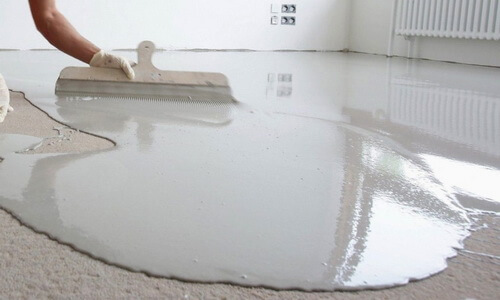
When it comes to leveling a wooden floor, there are several methods to choose from depending on the specific needs of your bathroom. Here are some common techniques:
-
Semi-dry Screeds: This method involves using a semi-dry mix to create a leveled surface. These screeds are typically made with a mixture of cement, sand, and water. The advantage of using semi-dry screeds is that they can be applied quickly and allow for the installation of tiles or other floor coverings soon after.
-
Underfloor Heating Systems: In some cases, the installation of underfloor heating systems can help to level a wooden floor. These systems often require the use of leveling compounds, which can be poured over the floor to create a smooth and even surface.
-
Self-leveling Compounds: Self-leveling compounds are a popular choice for leveling wooden floors. These compounds are poured onto the floor and find their own level, creating a smooth surface. They are easy to use and can be applied quickly, making them a convenient option.
-
Overlay Systems: Overlay systems involve placing a layer of material over the existing floor to create a level surface. This layer can be made from a variety of materials, including plywood, cement boards, or leveling compounds. Using an overlay system allows you to avoid the extra work of removing the existing floor and provides a stable base for further floor coverings.
-
Using Dry Screeds: Dry screeds are another option for leveling a wooden floor. These screeds consist of preformed boards or panels that are laid over the existing floor. They provide a stable and level surface for the installation of tiles or other floor coverings.
Regardless of the method you choose, it is important to properly prepare the floor before starting the leveling process. This includes cleaning the surface, removing any loose or damaged materials, and ensuring that the floor is dry. Additionally, if necessary, you may need to apply a layer of waterproofing material to prevent moisture damage.
It’s also important to follow the manufacturer’s instructions for any leveling products or materials you use. This will ensure that the process is done correctly and that the finished floor is of high quality.
In conclusion, there are various methods available for leveling a wooden floor in your bathroom. Each method has its own advantages and suitability for different situations. By choosing the right method and following the necessary steps, you can achieve a level and durable floor that meets your needs and expectations.
Видео:
СКОЛЬКО ? НАЛИВНОЙ ПОЛ РАСХОД, наливной пол СВОИМИ РУКАМИ, самовыравнивающийся пол.
СКОЛЬКО ? НАЛИВНОЙ ПОЛ РАСХОД, наливной пол СВОИМИ РУКАМИ, самовыравнивающийся пол. by Ремонт квартир в Астрахани Ремонт ванной комнаты 2,234,752 views 7 years ago 9 minutes, 6 seconds


