Is Gas Heating with a Gas Holder Worth It? A Comprehensive Review of All the Nuances, Advantages, and Disadvantages of Such Solution
Gas heating has long been one of the most popular choices for homes and buildings. However, when it comes to gas heating with a gas holder, the options and equipment involved can vary greatly. The choice of gas holder and its maintenance can have a significant impact on the efficiency and cost of operation.
Gas holders come in different types and sizes, depending on the specific needs of the property. The maintenance and service requirements also differ for each type of gas holder. It is important to consider these factors when deciding whether gas heating with a gas holder is the right choice for your property.
One of the main advantages of gas heating with a gas holder is the convenience it offers. Unlike other forms of heating, such as oil or solid fuel, gas heating does not require regular refilling. Once the gas holder is filled, it can provide a continuous source of heat for an extended period of time. This is especially advantageous for properties located in remote areas, where access to fuel may be limited.
Another advantage of gas heating with a gas holder is the cost savings it can provide. Gas is generally cheaper than other forms of fuel, and having a gas holder allows for bulk purchases, which can further reduce costs. Additionally, gas heating systems are generally more efficient than other heating systems, resulting in lower energy bills.
However, there are also some drawbacks to consider when it comes to gas heating with a gas holder. The installation and maintenance of a gas holder can be more complex and costly compared to other heating systems. The condition of the gas holder must be regularly monitored and it may require periodic inspections and repairs.
In terms of safety, there are some concerns associated with gas holders. Gas holders hold liquefied petroleum gas (LPG), which is highly flammable. Proper safety measures, such as regular inspections and adherence to safety regulations, should be followed to minimize the risk of accidents.
In conclusion, gas heating with a gas holder has its advantages and disadvantages. It offers convenience, cost savings, and continuous supply of heat, but it requires proper installation, maintenance, and safety precautions. Before making a decision, it is important to evaluate the specific needs of your property and consider the long-term costs and benefits of gas heating with a gas holder.
How cost-effective is heating from a gas holder?
Gas heating from a gas holder can be a cost-effective solution for heating homes and cottages, taking into account various factors and considerations. Here, we will explore the benefits and drawbacks of using a gas holder for heating.
Advantages:
- Convenience: Installing a gas holder allows for easy access to a fuel source for heating, without the need for constant refilling or storage of solid fuels.
- Availability: Gas holders can be installed in areas where there is no direct connection to a natural gas pipeline, providing an option for heating in remote locations.
- Flexibility: Gas holders can be filled with liquefied petroleum gas (LPG), such as propane or butane, allowing for flexible fuel choices.
- Independence: A gas holder provides an independent heating solution, reducing reliance on centralized heating systems or public utilities.
Disadvantages:
- Cost of Installation: Setting up a gas holder system can require significant initial investment for installation, including obtaining necessary permits and approvals.
- Maintenance and Services: Gas holders require regular inspections and maintenance to ensure safe and efficient operation, which may incur additional costs.
- Storage Capacity: The capacity of a gas holder dictates the amount of fuel that can be stored, potentially requiring frequent refills.
- Ground Space: A gas holder system needs adequate space on the property, which can be a limitation for smaller or densely populated areas.
- Expensive Fuel: LPG, while providing heating flexibility, can be more expensive compared to other fuel options like natural gas, affecting overall heating costs.
When considering the cost-effectiveness of heating from a gas holder, factors such as installation expenses, maintenance requirements, fuel costs, and the availability of other heating options should be taken into account. It is recommended to compare the overall costs and benefits of using gas holders for heating with alternative solutions to make an informed decision.
Installation and operation of an LPG storage tank
When it comes to gas heating with an LPG storage tank, there are several factors to consider. Let’s take a look at the advantages and disadvantages, as well as the installation and operation of the tank.
One of the main benefits of using an LPG storage tank is its capacity. Depending on the size, the tank can hold a large amount of liquefied petroleum gas (LPG), ensuring a long-lasting supply for heating purposes. This is particularly useful for properties without access to a natural gas supply, as it allows for an independent heating system.
When installing an LPG storage tank, it is important to take into account both the initial installation costs and the ongoing maintenance expenses. The installation of a private LPG storage tank usually requires permits and approvals from local authorities, which can add to the overall cost. Additionally, regular inspections, maintenance, and refilling of the tank will incur additional expenses that need to be considered when deciding on this heating option.
Another aspect to consider is the difference in fuel costs between natural gas and LPG. LPG is generally more expensive than natural gas, which means that heating a property using LPG can lead to higher energy bills. However, it is worth noting that the exact cost difference varies depending on the geographical location and current energy prices.
Furthermore, the installation and operation of an LPG storage tank require adherence to specific safety regulations. Proper storage, handling, and maintenance of the tank are crucial to ensure safe usage. Regular inspections by qualified professionals are essential to identify any potential leaks or malfunctions and prevent hazardous situations.
Overall, the decision to opt for LPG heating with a storage tank depends on various factors, including the availability of natural gas, the cost of installation and maintenance, and the specific heating needs of the property. A careful comparison of the pros and cons of this heating system is recommended.
| Advantages | Disadvantages |
|---|---|
| — Large capacity for long-lasting supply | — Higher fuel cost compared to natural gas |
| — Independent heating system | — Additional installation and maintenance expenses |
| — Suitable for properties without natural gas access | — Adherence to safety regulations required |
In conclusion, the installation and operation of an LPG storage tank for heating purposes have both advantages and disadvantages. It is important to carefully consider the costs, safety requirements, and specific needs of the property before making a decision.
Choosing a Location for Gas Storage Tank on the Site
When considering a gas storage tank, commonly known as a gas holder, for your private heating system or for refueling purposes, it is important to carefully select the location on your property for its installation. The placement of the tank plays a crucial role in the efficient operation and maintenance of the gas system. Here are some key factors to consider:
The Characteristics of the Site:
The installation of a gas holder requires ample space on your property. The size of the tank will depend on your heating needs or the desired storage capacity for refueling. You should also consider any local regulations and restrictions regarding the installation of gas storage tanks on private properties.
Proximity to Gas Refilling Stations:
If you plan to use the gas holder for refueling purposes, it is recommended to choose a location that is easily accessible for propane or butane gas delivery trucks. The distance to gas refilling stations should be taken into account as it can affect the cost and convenience of refilling the tank.
Connection to the Gas Distribution System:
In the case of using the gas holder for heating purposes, the tank should be positioned near the gas distribution system’s main pipeline. This will ensure a sufficient supply of natural gas or liquefied petroleum gas (LPG) to your heating system.
Ground Condition and Support:
The tank’s location should have a stable and level ground surface to support its weight. The ground should also be able to withstand any potential settlement or shifts caused by environmental factors, such as soil moisture or frost. Proper support, such as a concrete base or foundation, may be required depending on the tank’s size and weight.
Accessibility for Maintenance and Inspection:
The chosen location should provide easy access for the regular maintenance and inspection of the gas holder. This includes the ability to safely perform checks, tests, and repairs on the tank and its associated equipment, such as valves and fittings.
Comparison of Pros and Cons:
| Pros | Cons |
|---|---|
| Convenient fuel source for heating | Cost of installation and equipment |
| Independence from the main gas supply | Regular maintenance and servicing costs |
| Possibility to store larger amounts of propane or butane | Requirements for adequate ventilation |
| Flexibility in choosing suppliers and negotiating prices | Space requirement on your property |
In conclusion, when choosing a location for a gas storage tank, it is necessary to take into account various factors such as the site characteristics, proximity to gas refilling stations, connection to the gas distribution system, ground condition, and accessibility for maintenance and inspection. Considering the pros and cons of installing a gas holder as compared to relying solely on the main gas supply will also help in making an informed decision.
Checking, refueling, and maintenance

One of the important aspects of using gas holders for heating is the regular checking, refueling, and maintenance procedures. It is crucial to ensure that the gas holder and all its equipment are in proper working order for safe and efficient operation.
The first step is to check the condition of the gas holder and its components. This includes inspecting the valves, pipes, and fittings for any signs of damage or leaks. Any issues should be addressed promptly to prevent further problems.
Refueling the gas holder is another important task. Depending on the type of gas being used (propane or butane), the refueling process may differ. Propane and butane are both liquefied petroleum gases (LPG), but they have slightly different properties. Propane is stored and used in its gaseous form, while butane is stored and used in its liquid form. Therefore, refueling a propane gas holder involves connecting it to a propane supply, while butane gas holders need to be refilled with liquid butane.
Maintenance and servicing of the gas holder should be carried out regularly to ensure its continued safe and efficient operation. This includes checking and maintaining the valves, pressure gauges, and other components. It is recommended to hire a professional technician for this task, as they have the necessary expertise and equipment to perform the necessary maintenance procedures.
It is worth noting that the costs of checking, refueling, and servicing gas holders can vary depending on various factors such as the size of the gas holder, the type of gas being used, and the local regulations and requirements. Therefore, it is important to take all these factors into account when considering the installation of a gas holder for heating purposes.
| Pros | Cons | Conclusion |
|---|---|---|
| — Can be used in areas without access to natural gas | — Additional costs for checking, refueling, and servicing | — Gas holders can be a viable option for heating, but it is essential to carefully evaluate the costs and benefits before making a decision |
| — Provides a reliable and consistent source of fuel | — Requires proper permits and approvals for installation | |
| — Suitable for both residential and commercial properties | — Limited storage capacity compared to other fuel options |
Comparison of all the pros and cons
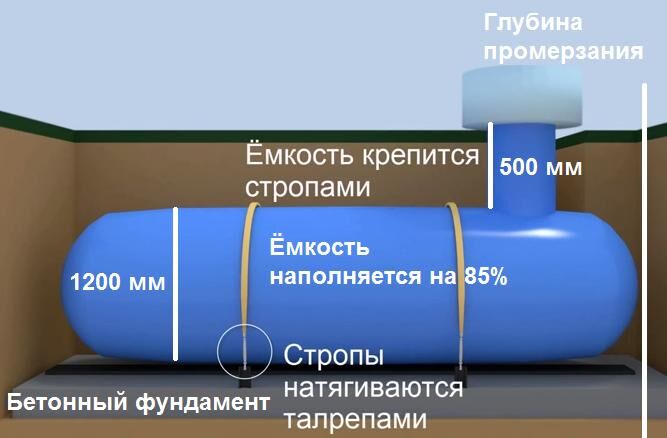
Gas heating with a gas holder has its advantages and disadvantages that need to be considered when deciding whether it is worth installing such a system.
One of the main advantages of a gas holder is its ability to store a large amount of gas, which ensures a stable supply of fuel for heating purposes. This is particularly beneficial for private houses or cottages located in remote areas where access to the gas pipeline may be limited. With a gas holder, you have a reserve of gas on your own property and do not have to rely solely on the availability of gas from external sources.
Another advantage is the lower cost of gas compared to other types of fuel, such as propane or butane. Gas from a gas holder is usually cheaper and allows for cost savings in the long run.
However, there are also some drawbacks to consider. The installation and maintenance of a gas holder can be more expensive compared to other heating systems. The equipment for the gas holder, including the tank and the necessary valves and fittings, can be costly. Additionally, the installation of a gas holder requires proper permits and approvals from local authorities, which can add to the overall expenses.
Another disadvantage is the need for periodic refilling of the gas holder. While this can be done by a professional service, it still requires additional costs and can be inconvenient. In contrast, other heating systems, such as natural gas, are supplied directly from the pipeline and do not require manual refilling.
Furthermore, the maintenance of a gas holder requires regular inspections to ensure its proper functioning and safety. This can be more time-consuming compared to other heating systems.
In conclusion, gas heating with a gas holder has its advantages and disadvantages. It offers a reliable fuel supply and cost savings in the long run but requires higher installation and maintenance costs. It is recommended to carefully consider all the factors and consult with professionals before deciding whether a gas holder is the right choice for your heating needs.
Conclusion and Useful Video on the Topic

In conclusion, the use of a gas holder for gas heating has both its advantages and disadvantages. The main advantage is the ability to store fuel, whether it’s liquefied petroleum gas (LPG) or natural gas, which allows for independence from centralized gas supply and ensures uninterrupted heating. The installation and operation of a gas holder system require proper planning and coordination with gas supply authorities, as well as compliance with safety regulations.
On the positive side, gas holders provide flexibility in choosing a fuel source, such as LPG or natural gas. They also offer a higher level of control over the heating system, allowing for customized settings and adjustments. The ability to store fuel can be advantageous when there are fluctuations in gas prices, as it allows for buying in bulk when prices are low. Additionally, gas holder systems can be cost-effective in the long run, especially for private homeowners.
However, there are several drawbacks to consider. The installation of a gas holder system requires space for the tank, which can be a challenge in urban areas or on smaller plots of land. The maintenance and inspection of the tank and its components can also be more complex compared to a conventional heating system. There may be additional costs associated with obtaining permits and approvals for installation and ongoing use.
In terms of fuel options, LPG and natural gas have their differences. LPG is typically stored in portable cylinders, while natural gas is usually supplied through a dedicated pipeline. The choice of fuel should be based on factors such as availability, cost, and convenience.
Overall, the decision to use a gas holder for heating purposes depends on individual preferences, available space, and the specifics of the property. It is important to carefully evaluate the pros and cons, as well as consult with professionals in the field, before making a final decision on whether gas holder heating is the right choice.
| Video | Description |
|---|---|
| Gas Holder Heating Systems — Installation and Maintenance | This video provides an overview of the installation and maintenance process for gas holder heating systems. It covers topics such as site preparation, tank placement, piping connections, safety measures, and regular maintenance checks. |
Видео:
Отопление газгольдером. На сколько хватает. Расходы.
Отопление газгольдером. На сколько хватает. Расходы. de Загород.Эксперт 105.099 visualizaciones hace 3 años 4 minutos y 13 segundos


