Why You Need a Transformer for Halogen Lamps — Understanding the Operating Principles and Guidelines for Proper Installation
Halogen lamps are commonly used for various purposes due to their efficiency and brightness. However, these lamps require a transformer to function properly. In this article, we will explore the importance of a transformer for halogen lamps, its operating principle, and the guidelines for its correct installation.
The main purpose of a transformer for halogen lamps is to regulate the voltage supplied by the mains electrical system. The supplied voltage may be too high for the lamp, which can result in its malfunction or even failure. The transformer reduces the voltage to the lamp’s nominal value, ensuring its safe and efficient operation.
The connection of the transformer to the halogen lamp can be done in two ways. The first method involves using a separate cable to connect the lamp to the transformer. In this case, it is important to choose a cable with the appropriate cross-section, taking into account the power rating of the lamp. The second method utilizes a built-in transformer where the cable connection is not required.
It is crucial to follow certain guidelines when connecting a transformer to a halogen lamp. Firstly, the transformer should be placed in a suitable location, ensuring easy access for maintenance and inspection. Additionally, the wiring should be done according to the provided schematics, considering the correct polarity and connections between the transformer and the lamp.
The transformer’s power rating should match the power consumption of the connected halogen lamp. If the power rating is too low, the transformer will not be able to supply enough power to the lamp, resulting in its dim performance or complete failure. On the other hand, if the power rating is too high, the lamp may get damaged due to excessive voltage.
Another important aspect is the reliability of the transformer. The choice between a toroidal transformer or a two-key transformer depends on the specific requirements of the equipment and the available space for installation. Both types have their advantages and disadvantages, so it is vital to consider the needs and limitations of the application.
To summarize, a transformer is essential for the proper functioning of halogen lamps. It ensures the voltage supplied to the lamp is regulated and matches its nominal value. By following the recommended guidelines for installation, selecting the appropriate transformer and cable, and considering the power rating, you can ensure the safe and efficient operation of your halogen lamp for a long time.
So, make the right choice and enjoy the benefits of a well-connected and reliable transformer for your halogen lamps!
Why do halogen lamps need a transformer?
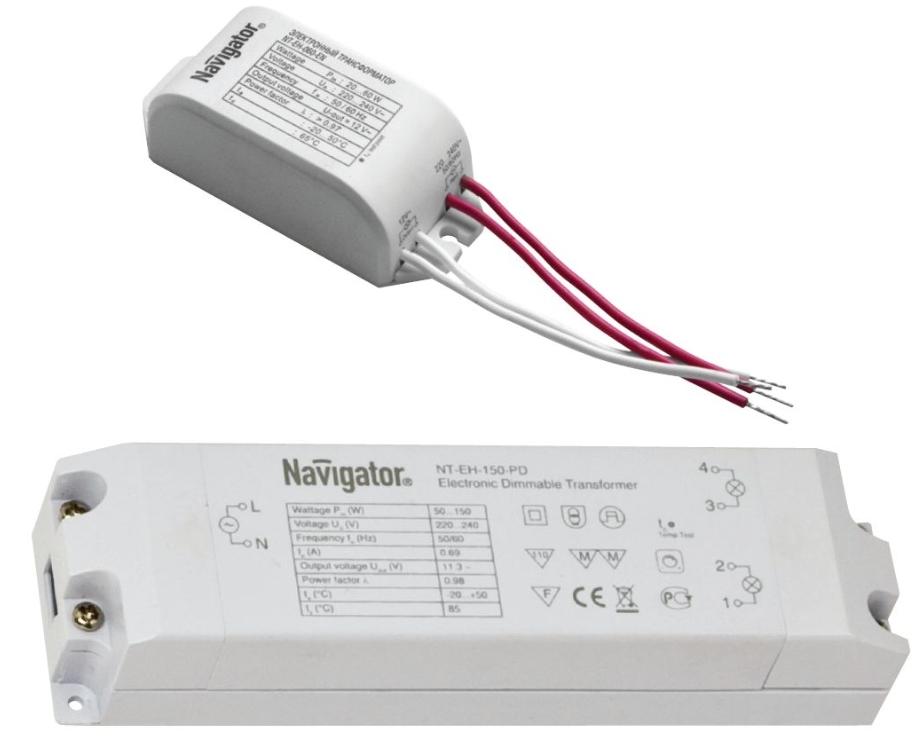
Halogen lamps require a transformer to properly operate. These devices, also known as halogen transformers, are designed to convert the voltage from the mains power supply to the lower voltage required by halogen lamps. There are two main types of transformers used for halogen lamps: electromagnetic transformers and electronic transformers.
The electromagnetic transformers are the traditional type and are typically operated by a two-way switch. They work by using the principle of electromagnetic induction to transform the incoming voltage to the desired output voltage. On the other hand, electronic transformers are more modern and are based on the principle of pulse width modulation (PWM) to control the output voltage.
So, why is it necessary to use a transformer for halogen lamps? The main reason is that halogen lamps operate on a low voltage, usually 12 or 24 volts, while the mains power supply provides a higher voltage, typically 110 or 220 volts. Thus, without a transformer, connecting halogen lamps directly to the mains power supply would result in the lamps being overloaded and burnt out.
Another important reason for using a transformer is the safety aspect. Halogen lamps can generate a significant amount of heat, and the transformers help prevent overheating by reducing the voltage supplied to the lamps. This is especially crucial considering that halogen lamps are often used in enclosed spaces, such as recessed lighting fixtures or ceiling-mounted spotlights.
When it comes to the installation of halogen lamps, it is important to follow certain rules and guidelines. Each halogen lamp requires a specific transformer with the appropriate voltage rating and power capacity. The number of lamps that can be connected to a single transformer depends on its power rating. It is advisable to consult with professional electricians or experienced installers who have practical knowledge in this field to ensure the successful and safe installation of halogen lamps.
In terms of connection, there are two main ways to connect halogen lamps to the transformer: using a toroidal transformer or a distribution transformer. The toroidal transformer is a compact and efficient design that provides a higher level of voltage stability. On the other hand, the distribution transformer is suitable for connecting multiple lamps and offers more flexibility in terms of wiring.
Despite their small size, halogen lamps can consume a significant amount of power. Therefore, when choosing a transformer, it is important to consider the power requirements of the connected lamps and select a transformer with an appropriate power rating. It is also worth noting that the transformers may produce some noise during operation, but this can be minimized by using quality transformers.
In conclusion, the use of transformers for halogen lamps is essential to ensure their safe and proper operation. Transformers allow halogen lamps to be connected to the mains power supply without the risk of overheating or burning out. By selecting the right transformer and following the recommended guidelines, the installation of halogen lamps can be successfully and efficiently carried out.
What types of transformers are available?

In the context of the topic «Why do we need a transformer for halogen lamps, principle of operation, and connection rules,» it is important to consider the different types of transformers that are available for such purposes. The choice of transformer is crucial for the safe and proper functioning of the devices connected to it.
There are several types of transformers that can be used for halogen lamps, depending on the specific requirements of the installation. The most commonly used are step-down transformers, which are designed to reduce the voltage supplied to the lamps.
One type of step-down transformer is the electromagnetic transformer. It is usually larger in size and can handle higher power loads. It is important to select a transformer that can handle the power requirements of the halogen lamps, otherwise overheating may occur.
Another type of transformer that can be used is the toroidal transformer. It is more compact in size and provides a more efficient power transfer. Toroidal transformers are often used in electronic devices and have a wide range of applications.
Impulse transformers are another option that can be used for halogen lamps. These transformers provide a quick and efficient burst of power to the lamps, allowing them to start up faster. They are commonly used in situations where multiple lamps need to be powered at the same time.
It is important to consider the placement and installation of the transformers. They should be placed in a location where they can dissipate heat effectively to prevent overheating. Proper ventilation is crucial to ensure the safe operation of the transformers.
When connecting the transformers, it is important to follow the designated connection rules. Each transformer should be connected to the proper power source and ground. It is recommended to use two-key switches to control the power supply, ensuring the safe operation of the lamps.
Overall, the choice of transformer for halogen lamps depends on the specific requirements of the installation. It is important to consider the power load, size, and efficiency of the transformer to ensure the safe and proper functioning of the lamps. Proper installation and connection are key factors to avoid any potential overheating or electrical issues.
Toroidal electromagnetic device
A toroidal electromagnetic device, also known as a toroidal transformer, plays an important role in the operation of halogen lamps and LED fixtures. These devices are designed to step down the voltage from the power source to a lower level suitable for the lamps’ operation.
The main purpose of a toroidal transformer is to provide a stable power supply for lighting fixtures, ensuring that the lamps receive the correct voltage and current to operate efficiently and safely. They are commonly used in various installations, such as residential, commercial, and industrial settings.
One of the key advantages of using toroidal transformers is their compact size and efficient design. Due to their toroidal shape, they can be easily integrated into the lighting fixtures themselves, taking up minimal space and allowing for a clean and organized installation.
Furthermore, toroidal transformers offer better performance compared to other types of transformers. They have a higher power density, meaning they can support a higher power output relative to their size. This makes them an ideal choice for applications where space is limited, such as in ceiling-mounted light fixtures and downlights.
The operation of a toroidal transformer is based on the principle of electromagnetic induction. It consists of a toroidal core made of ferromagnetic material, usually iron, with multiple wire windings wrapped around it. The primary winding is connected to the power source, while the secondary winding provides the stepped-down voltage to the lamps or LEDs.
The number of windings in each coil and the design of the toroidal core determine the transformer’s voltage ratio. By adjusting the ratio, the transformer can provide the desired output voltage suitable for the specific lighting requirements. It is crucial to select the right transformer with the correct voltage rating to ensure the proper functioning of the lamps.
When connecting a toroidal transformer to the lighting fixtures, there are some important guidelines to follow. Firstly, the transformer must be correctly installed in the fixture’s housing or in a separate enclosure. This protects the transformer from physical damage and ensures proper heat dissipation.
Secondly, the wiring connections must be made according to the manufacturer’s instructions. It is recommended to consult a professional electrician or refer to the installation manual for the specific transformer model. This helps to avoid any potential hazards and guarantees safe and reliable operation.
In addition, it is advisable to use high-quality wiring materials and connectors to maintain the electrical integrity of the circuit. Improper connections or low-quality components can lead to voltage drops, overheating, and even electrical failures, jeopardizing the operation of the lamps and the safety of the installation.
In conclusion, toroidal transformers are essential components in the operation of halogen lamps and LED fixtures. Their proper installation and correct handling ensure a stable power supply and safe operation of the lighting system. By following the rules and guidelines related to transformer selection, wiring, and placement, the successful and long-lasting operation of the lighting installation can be achieved.
Impulse or Electronic Device
In the context of the topic «Transformer for Halogen Lamps: Why it is Needed, Principle of Operation, and Connection Rules», an important component of these transformers is the choice between an impulse or electronic device. Both types of devices serve the purpose of reducing the voltage supplied to the halogen lamps, allowing them to operate safely and efficiently.
Impulse devices, also known as magnetic transformers, are the traditional choice for powering halogen lamps. These transformers operate on the principle of electromagnetic induction. They consist of a laminated iron core with two coils: the primary and secondary windings. The primary winding is connected to the mains voltage, while the secondary winding is connected to the lamp. The difference in the number of turns in the primary and secondary windings determines the output voltage. Impulse devices are known for their reliability and simplicity, making them suitable for most applications.
Electronic devices, also known as electronic transformers, are a more modern alternative. These devices use electronic circuits to regulate the voltage supplied to the lamp. They are typically smaller in size and lighter in weight compared to impulse devices. Electronic transformers can be easily integrated into the circuitry of the lighting system and offer more flexibility in terms of dimming and compatibility with different types of lamps. They also generate less heat, making them more energy-efficient. However, their installation and connection may require more advanced knowledge and expertise.
When choosing between impulse and electronic devices for powering halogen lamps, it is important to consider the power requirements of the lamps and the specific needs of the lighting system. Impulse devices are generally recommended for higher power lamps, while electronic devices are suitable for lower power lamps. The number of lamps and the arrangement of the system also play a role in the selection process.
In terms of connection, both types of devices should be connected according to the manufacturer’s instructions. It is crucial to use proper wiring and follow safety guidelines. The wires used for connection should have an appropriate cross-section and be capable of handling the maximum power of the lamps. The transformer, whether impulse or electronic, should be placed in a suitable housing to ensure safe operation and protection from external factors.
In some cases, it may be necessary to conceal the transformers, especially in architectural lighting applications. This can be achieved by using mounting brackets or enclosures that allow for easy installation and hiding of the transformers. Toroidal transformers, which have a compact design and low electromagnetic interference, are often preferred for this purpose.
In conclusion, both impulse and electronic devices can be used to power halogen lamps. The choice between the two depends on factors such as power requirements, dimming capabilities, and the specific needs of the lighting system. Regardless of the type of device, proper installation and connection are essential for the reliable and safe operation of the system.
Rules for choosing step-down equipment
When installing galogen lights, it is necessary to choose the appropriate step-down equipment. This equipment is called a transformer and its main purpose is to reduce the voltage supplied from the power source to the working voltage required for the galogen lights. But why is this necessary?
The thing is that galogen bulbs operate at a lower voltage than the regular line voltage. If they are connected directly to the power source, they will burn out very quickly. Therefore, it is always advisable to use a step-down transformer. This device allows you to convert the line voltage to the required working voltage for the galogen lamps.
There are different types of transformers that can be used for galogen lamps, but the most common ones are electronic transformers and toroidal transformers. Electronic transformers are smaller in size and can be easily integrated into the lighting fixtures. They can be used with one or two lamps, and they have a built-in electronic circuit that allows for dimming of the lights. On the other hand, toroidal transformers are larger and have a higher power rating. They are typically used when multiple lamps need to be connected to the same transformer.
When choosing a transformer, it is important to consider the power rating and the wattage of the bulbs. The transformer should have a power rating that is equal to or greater than the total wattage of all the bulbs that will be connected to it. If the power rating is too low, the transformer may overheat and fail. Additionally, the wiring should be done correctly to ensure proper functioning of the transformer. The wiring should match the diagram provided with the transformer, and the wire size or cross-section should be appropriate for the length of the circuit.
Calculating the required power rating and selecting the appropriate transformer can be a complex task. It is always recommended to seek the advice of specialists or practical experts in this field. They can help determine the right transformer for your specific needs and provide guidance on how to properly install it.
In conclusion, when using galogen lamps, it is important to choose the right step-down equipment, such as a transformer, to ensure their proper functioning and avoid premature burnout. The correct selection and installation of the transformer is crucial for the successful operation of the galogen lights and it is always better to consult with experts in the field to ensure the best results.
Two ways to connect a transformer

When connecting a transformer for halogen lamps, there are two possible methods to ensure the successful operation of the system. The choice of the right method depends on the specific requirements of the devices and the available resources.
| Method 1: Using a toroidal transformer with a higher winding section | Method 2: Using a two-button transformer |
|---|---|
|
In this method, a toroidal transformer is utilized to reduce the voltage supplied by the mains to a level suitable for the halogen lamps. The transformer should have a higher winding section to handle the power requirements of the lamps. This option is preferred when the system consists of a limited number of lamps and the electrical access is easily available. Despite the efficient operation of toroidal transformers, they tend to generate a significant amount of heat. Therefore, proper ventilation and cooling arrangements should be made to ensure the safe and smooth working of the transformer. |
The second method involves the use of a two-button transformer. This type of transformer provides separate outputs for the halogen lamps and LED lights, allowing independent control of both. It can also handle the power requirements of both types of bulbs effectively. It is important to note that in both methods, proper selection and installation of the transformer are crucial. The transformer should be selected based on the power rating and the number of lamps or devices it needs to support. The number of windings and the core size should be carefully chosen to match the requirements of the system. |
Regardless of the method chosen, the successful functioning of the transformer relies on the correct wiring and connection. It is essential to follow the guidelines provided by the manufacturer and consult a qualified electrician if necessary. Additionally, the transformer should be placed in a suitable location, away from moisture and excessive heat, to ensure its longevity and efficient performance.
In conclusion, there are two main options for connecting a transformer for halogen lamps. The choice between the toroidal transformer with a higher winding section and the two-button transformer depends on the specific requirements of the devices and the installation conditions. Each method has its nuances, and a proper understanding of the system’s needs is crucial for a successful connection.
Circuit of lamps with a single transformer
When installing multiple halogen lamps, it is often more convenient and efficient to use a single transformer. This allows the lamps to be connected in parallel, reducing the amount of wiring needed and simplifying the installation process.
By connecting the lamps in parallel, the load is distributed evenly across the transformer, ensuring that each lamp receives the proper voltage. This is important because halogen lamps require a specific voltage to function correctly and efficiently.
The transformer used in this setup is typically an electromagnetic or electronic device. It is designed to step down the voltage from the mains power supply to the nominal voltage required by the lamps. The transformer can be installed in a separate enclosure or integrated into the housing of one of the lamps.
When connecting the lamps in parallel, it is important to use wiring of sufficient gauge to handle the current. The total current drawn by all the lamps should not exceed the maximum current rating of the transformer. The recommended method is to use separate wires for each lamp, keeping the length of the wiring as short as possible to minimize losses.
In terms of transformer selection, it is crucial to choose one with the appropriate power rating for the total load of the lamps. The power rating of the transformer should be higher than the combined power rating of all the lamps to allow for safety margins and future expansion. The number of turns in the transformer and the wire gauge of the windings determine the voltage and current transformation ratios, respectively.
It is also worth noting that the transformer can be regulated or non-regulated. A regulated transformer allows for adjusting the voltage output, providing flexibility in controlling the brightness of the lamps. On the other hand, a non-regulated transformer provides a fixed voltage output.
Regardless of the type of transformer used, it is important to follow the manufacturer’s instructions and recommendations for proper installation and operation. If in doubt, it is always advisable to consult with experienced professionals in the field of electrical installations.
Two groups of lamps with two transformers
When it comes to lighting with halogen lamps, it is common to have multiple lamps distributed across different areas. In such cases, it is essential to ensure that each group of lamps operates safely and efficiently. This is where the use of transformers plays a significant role.
A transformer is an electrical device that helps regulate the current flowing through the circuit. But why would you need two transformers in the setup?
The main reason for having two transformers is to mask the wiring and make the installation more aesthetically pleasing. By using two transformers, the cable section required for the connection is minimal, allowing for a neater and better-looking setup.
Moreover, having two transformers also provides flexibility in controlling the lighting. You can choose to have one transformer for each group of lamps, allowing you to regulate the light intensity separately. This allows for more precise control over the ambiance and mood of different areas.
Additionally, using two transformers also allows for better distribution of power. If all the lamps were connected to a single transformer, it might lead to overheating and overload, especially if the total power consumption is high. By distributing the load between two transformers, the risk of overheating and circuit overload is significantly reduced.
In terms of installation, it is important to have the correct transformer for each group of lamps. Halogen lamps require a specific type of transformer known as a toroidal transformer, which is designed to handle the unique characteristics and power requirements of these lamps.
For proper connection, each transformer should be installed in its own protective housing, such as a distribution box. The wiring should be done with sufficient cable section to avoid voltage drop and ensure the safety of the installation. Additionally, it is advisable to have a qualified electrician perform the installation to ensure everything is done correctly and minimize the risk of any electrical faults.
In conclusion, when working with two groups of halogen lamps, using two transformers is the ideal choice. It provides the ability to control the lighting separately, ensures proper distribution of power, and helps maintain a neat and aesthetically pleasing installation.
Recommendations from practicing specialists
When using transformers for halogen lamps, it is important to follow certain recommendations in order to ensure their successful operation and avoid any potential issues. Here are some guidelines provided by specialists:
| Recommendation | Description |
|---|---|
| Choose the right transformer | When selecting a transformer, it is crucial to consider the power and voltage requirements of the halogen lamps. The transformer should be compatible with the wattage and voltage rating of the lamps. |
| Proper installation | The transformer should be correctly installed in a suitable location. It should be placed away from flammable materials and not in a confined space to prevent overheating. |
| Avoid overloading | Each transformer has a maximum load capacity. It is important not to exceed this limit to prevent overheating and potential damage to the transformer. |
| Grouping of lamps | When connecting multiple halogen lamps to a transformer, it is recommended to divide them into groups. This will ensure a balanced load distribution and prevent overloading of the transformer. |
| Access to the transformer | The transformer should be easily accessible for maintenance and inspection purposes. It should not be obstructed or hidden, as this can make it difficult to detect any issues or perform necessary inspections. |
| Use of impulsive transformers | In some cases, impulsive transformers might be suitable for halogen lamps. However, their usage requires careful consideration and proper selection to ensure compatibility with the lamps and avoid any unwanted effects. |
By following these recommendations, users can ensure the safe and efficient operation of their halogen lamps with transformers. Consulting with a qualified specialist can also provide valuable insights and help with the proper selection and installation of transformers.
Conclusions and Useful Video on the Topic
In conclusion, a transformer for halogen lamps is necessary to safely convert the electrical voltage and current to match the requirements of the lamp. It works on the principle of electromagnetic induction, transforming the high voltage to a lower voltage suitable for the halogen lamp.
When connecting a transformer for halogen lamps, there are important rules to follow. It is crucial to consider the power and current rating of both the transformer and the lamp. The transformer should be correctly matched to the wattage of the lamp to avoid overheating or damage. The wiring and installation of the transformer should be done by qualified electricians, as it involves dealing with high voltage and electrical connections.
Despite the complexity involved in the selection and installation of a transformer, it is important to understand the recommendations and guidelines provided by experts in the field. Specialists and experienced practitioners can assist in calculating the number of turns and selecting the appropriate transformer for the specific lighting setup.
One important consideration is the choice between using a conventional transformer or an electronic transformer for halogen lamps. Conventional transformers are less expensive but may cause flickering of light. Electronic transformers are more expensive but provide a stable and flicker-free light output.
When planning the installation of halogen lamps, it is crucial to ensure proper placement and spacing between the lamps to avoid overheating and ensure efficient distribution of light. The use of a transformer with multiple outputs can help in creating a well-designed lighting scheme.
In summary, a transformer for halogen lamps is necessary to match the voltage and power requirements of the lamps. It is important to follow the recommended guidelines and seek assistance from professionals during the selection and installation process. Proper consideration should be given to the power rating, wiring, and placement of the lamps to ensure safe and efficient operation.
If you want to learn more about transformers for halogen lamps, the following video provides useful insights and tips:
[Insert link to useful video here]
Видео:
Как работает люминисцентный светильник.Зачем там нужен дроссель и конденсатор
Как работает люминисцентный светильник.Зачем там нужен дроссель и конденсатор de Артем Косицын83 43.870 visualizaciones hace 2 años 6 minutos y 37 segundos


