What is convection in a gas oven and do you need it? Useful tips for homeowners on choosing and operating
When it comes to cooking in a gas oven, one of the key functions that most housewives take into account is convection. But what is convection and why is it so important? Convection is a heating method that utilizes the circulation of hot air inside the oven to cook food faster and more evenly. This feature is achieved through the use of a fan or a fan-assisted system, which helps distribute heat throughout the oven cavity.
The main advantage of convection cooking is its ability to reduce cooking time, making it a great choice for busy households. By evenly distributing heat, convection ovens ensure that your food is cooked thoroughly and more quickly, allowing you to save time and energy. Additionally, the circulating hot air helps eliminate cold spots and prevent overbrowning, resulting in perfectly cooked dishes with a crispy golden crust.
When choosing a gas oven with convection functionality, there are a few important factors to consider. Firstly, make sure that the oven has a convection fan or a fan-assisted system. This is usually indicated by a symbol or a dedicated button on the control panel. Secondly, check if the oven offers different convection modes and temperature settings, as this will allow you to adjust the cooking process according to your specific needs.
It’s worth noting that convection ovens do have some drawbacks. First, convection cooking may generate more noise due to the operation of the fan. However, this noise is usually minimal and should not be a major concern. Second, convection cooking may lead to faster evaporation, so it’s important to monitor the cooking process and adjust the temperature and cooking time accordingly to prevent excessive drying of the food. Third, while convection cooking can help reduce cooking time, it may not be suitable for all types of dishes. Some delicate recipes, such as soufflés or custards, may require a more gentle and slower cooking process.
In conclusion, convection is a useful feature in gas ovens that can enhance your cooking experience by providing faster and more even cooking. However, it’s important to consider the specific requirements of your recipes and adjust the cooking process accordingly. With the right selection and proper operation of a gas oven with convection, you can enjoy delicious meals with perfectly cooked dishes and crispy crusts, all while saving time in the kitchen.
Purpose and principle of convection
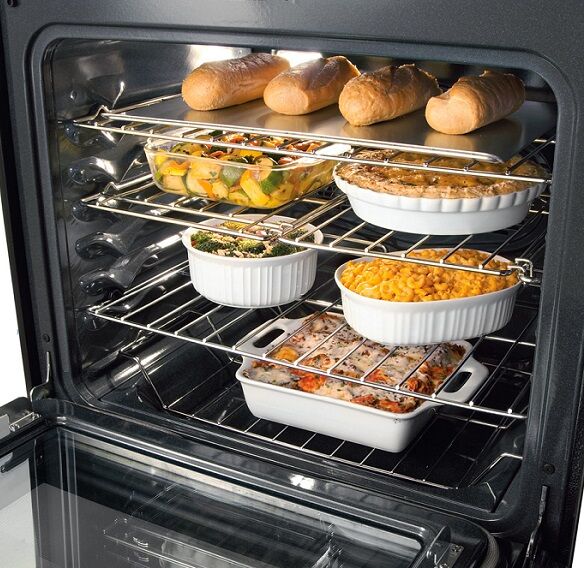
Convection is a useful feature that is found in many gas ovens and is commonly used for cooking. It is designed to distribute the heat evenly throughout the oven cavity, ensuring that food is cooked more uniformly.
The principle of convection in gas ovens involves the use of a fan to circulate the hot air inside the oven. This helps to eliminate hot spots and cold spots, resulting in a more consistent temperature throughout the cooking process. The fan also helps to speed up the cooking time, as the circulating air helps to transfer heat more efficiently to the food.
By utilizing the convection feature in gas ovens, you can enjoy several benefits. Firstly, it allows you to cook multiple dishes at the same time without the flavors blending together, thanks to the even heat distribution. Secondly, it helps to eliminate the need for rotating the pans during cooking, as the circulating air ensures that all sides of the food are exposed to the same level of heat. Additionally, convection cooking can help to achieve a crispy crust on certain foods, such as roasts or baked goods, as the circulating air helps to remove moisture from the surface.
When using the convection mode in gas ovens, it is important to follow the manufacturer’s instructions and understand the specific features and settings of your oven. Some gas ovens have multiple convection modes, such as «convection bake» and «convection roast,» which are optimized for different types of food. These modes may have different temperature and time settings, so it is vital to consult the instruction manual or settings guide for the best results.
It is worth noting that not all dishes require the use of the convection function. Delicate foods such as soufflés or custards may not benefit from the fan-forced heat, as it can cause them to deflate or cook unevenly. In such cases, the regular bake or roast modes may be more suitable.
In conclusion, convection in gas ovens is a valuable feature that can enhance your cooking experience. Its purpose is to ensure even heat distribution, faster cooking times, and the ability to cook multiple dishes simultaneously. Understanding the principles and nuances of convection cooking, as well as properly using the different modes and settings of your gas oven, will help you make the most of this useful function.
Advantages and Disadvantages Overview
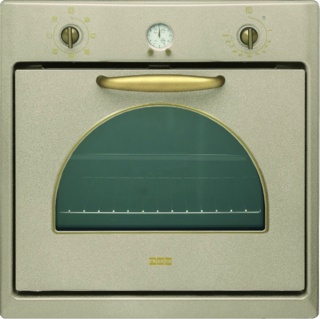
Gas convection ovens are becoming popular choices for households due to their efficient and convenient cooking capabilities. However, it is important to understand the benefits and drawbacks of this technology before making a purchase decision.
One of the main advantages of gas convection ovens is their ability to distribute heat evenly throughout the cooking chamber. This is achieved through the use of a fan and multiple heating elements, which circulate hot air in the oven. As a result, food is cooked more evenly, helping to eliminate hot spots and providing consistent cooking results.
The use of convection in gas ovens also speeds up the cooking process. By continuously circulating the hot air, convection ovens can cook food faster than traditional ovens, reducing cooking times and saving energy. This makes them a great option for busy households or for those who want to prepare meals quickly.
Another benefit of gas convection ovens is their versatility. They offer multiple cooking modes, including convection bake, convection roast, and even convection broil. This allows for a wide range of cooking possibilities and gives users more control over the cooking process.
In addition, gas convection ovens are known for their ability to create crispy exteriors while keeping the inside moist and tender. This is especially important when cooking meats or baking goods like bread and pastries, as it helps to achieve the perfect texture and taste.
However, there are some drawbacks to consider when using a gas convection oven. One potential issue is the learning curve associated with using this technology. It may take some time to familiarize yourself with the different cooking modes and understand how best to adjust temperatures and cooking times.
Gas convection ovens also tend to be more expensive upfront compared to traditional ovens. However, they can ultimately save on energy costs due to their faster cooking times and efficient heat distribution.
Another consideration is the need for additional space in the kitchen. Gas convection ovens typically require more room due to their larger size and the presence of a fan and multiple heating elements.
Furthermore, some users may find the noise generated by the fan during operation to be bothersome. However, this is generally a minor inconvenience and can be managed by choosing a model with a quieter fan.
In conclusion, gas convection ovens offer several advantages, such as even heat distribution, faster cooking times, and versatile cooking modes. However, they may require a learning curve, have a higher upfront cost, and take up more space in the kitchen. Ultimately, the decision to purchase a gas convection oven should be based on individual cooking preferences and needs.
Convection Modes and Control Panel
Gas ovens equipped with convection function have special features in their operation and control panel. These features are designed to ensure efficient and even heating of the food, as well as to provide convenience for the users. Here are some tips and information regarding the different convection modes and control panel functions found in gas ovens.
Most gas ovens that have a convection feature offer multiple convection modes. These modes can be accessed and selected through the control panel. The specific names and settings may vary depending on the oven model and manufacturer, but the general principles remain the same.
One common convection mode is the «Fan Convection» or «True Convection» mode. In this mode, the oven uses a fan to circulate hot air throughout the oven cavity, resulting in even and faster cooking. This mode is especially useful for baking and roasting, as it helps in achieving consistent browning and cooking of the food.
Another convection mode commonly found in gas ovens is the «Convection Bake» or «Convection Roast» mode. In this mode, the fan and heating elements work together to provide a combination of convection and traditional radiant heat. This helps in achieving a crispy exterior while maintaining the juiciness and tenderness of the food.
Gas ovens with convection function also have additional control panel functions that allow users to customize the cooking process. These functions may include temperature adjustment, timer settings, and pre-set cooking programs for various types of food. Users can set the desired temperature, cooking time, and even select specific cooking modes to suit their preferences.
It is important for users to understand the functions and settings of the control panel in order to utilize the convection feature effectively. Reading the oven’s manual and following the manufacturer’s instructions is recommended in order to fully understand the capabilities and limitations of the gas oven.
One of the main advantages of using the convection feature in gas ovens is the faster and more even cooking it provides. By circulating hot air throughout the oven cavity, convection helps in achieving uniform heat distribution, resulting in reduced cooking time. This is especially beneficial for large quantities of food or when baking multiple dishes at once.
However, it is worth noting that gas ovens with convection function may have a longer preheating time compared to regular gas ovens. This is because the fan and heating elements need time to reach the desired temperature. Users should take this into account when planning their cooking time.
In summary, gas ovens with convection function offer various convection modes and control panel functions to enhance cooking efficiency and convenience. By utilizing these features, users can achieve faster and more even cooking results. Understanding the functions and settings of the control panel is essential for maximizing the potential of the convection feature in gas ovens.
Nuances of operation and fan shutdown
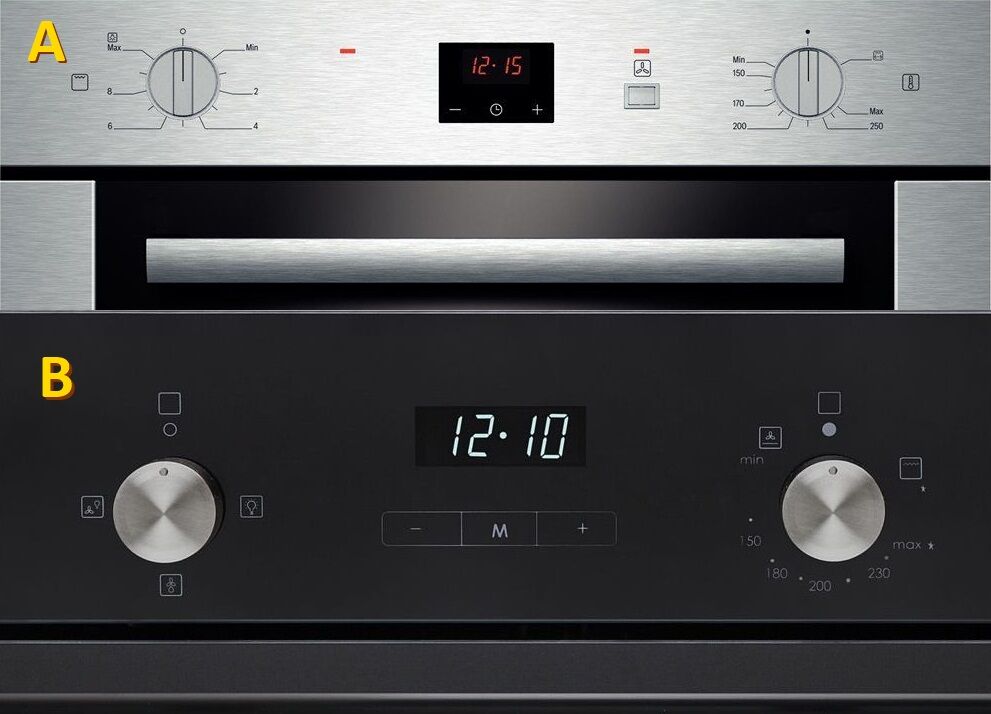
When using a gas oven with a convection function, it is important to understand the specifics of its operation and how to disable the fan if necessary. The convection function in gas ovens is designed to circulate hot air throughout the oven cavity, ensuring more even and efficient cooking.
The control panel of a gas oven with a convection function usually has a separate button or dial for selecting the desired cooking mode. In some cases, this button may be labeled «Convection» or «Fan Bake». When the convection mode is activated, the fan inside the oven starts to rotate, creating a continuous airflow. This airflow helps to distribute heat more evenly and quickly, reducing cooking time and ensuring consistent results.
However, there are situations when you may want to disable the convection fan. For example, some delicate dishes, such as cakes or soufflés, may require a more gentle heat distribution, and the constant airflow from the convection fan can affect their rise and texture. In such cases, you can switch to the normal baking mode without convection, if available.
Another reason to disable the fan may be when using the oven for certain types of cooking, such as dehydrating or slow roasting. In these cases, you may prefer to have a more controlled and static heat environment rather than the circulating hot air.
To disable the convection fan, you can often find a dedicated button or setting on the control panel. This can be labeled as «Fan Off» or «Convection Off». By pressing this button, you will turn off the fan and switch to the regular baking mode without convection.
It is important to note that when the fan is turned off, the heat distribution in the oven may not be as even as when using convection. In this case, it is recommended to rotate the dishes halfway through the cooking process to promote even cooking.
Also, it’s worth mentioning that if you turn off the fan in the middle of the cooking process, it may affect the overall cooking time. The convection mode is designed to cook food faster, so if you switch to the regular baking mode, you may need to increase the cooking time accordingly.
If you are unsure about the specific instructions for your gas oven with a convection function, it’s always a good idea to consult the user manual or contact the manufacturer’s customer service. They can provide you with detailed information on the operation and features of your particular oven model.
In conclusion, the convection function in gas ovens can be a useful feature for faster and more even cooking. However, there may be situations where you need to disable the fan for certain dishes or cooking methods. By understanding the operation and knowing how to disable the fan if necessary, you can make the most of your gas oven and enjoy delicious results.
Methods for Disabling the Fan
If you have a gas convection oven and you prefer not to use the fan during cooking, there are a few ways to disable it. It’s important to note that most convection ovens have a default setting where the fan operates automatically, so disabling it may require adjustments to the oven’s settings.
Method 1: Switching to Conventional Mode
One straightforward way to disable the fan is to switch the oven to conventional mode. In this mode, the fan is turned off, and the oven functions like a traditional oven. This can be done by selecting the «conventional» or «non-convection» mode on the oven’s control panel.
Method 2: Adjusting the Settings
Some convection ovens allow you to manually adjust the fan settings. By navigating through the oven’s control panel, you may be able to find an option to turn off the fan or reduce its speed. Refer to the oven’s user manual for specific instructions on adjusting the fan settings.
Method 3: Seeking Professional Help
If you are unsure about how to disable the fan or if adjusting the settings does not work, it’s recommended to seek professional assistance. An expert technician or the oven’s manufacturer can provide guidance on the proper procedure to disable the fan safely and effectively.
It’s important to note that disabling the fan may affect the cooking process. The use of convection in gas convection ovens helps distribute heat more evenly, resulting in faster and more uniform cooking. When the fan is turned off, the oven may take longer to preheat and cook the food. The absence of the fan’s circulation can also lead to uneven cooking, particularly for large or dense dishes.
In conclusion, while disabling the fan in a gas convection oven is possible, it may impact the oven’s performance. If you choose to disable the fan, it is recommended to monitor the cooking process closely and make any necessary adjustments to ensure the desired results.
When should you contact a service center?
If you are experiencing any of the following issues with your gas oven, it may be necessary to contact a service center:
- The oven is not heating up properly or at all.
- The temperature is inconsistent or fluctuating.
- The oven takes longer than usual to preheat.
- The oven does not maintain the desired temperature.
- There are unusual noises coming from the oven.
- The oven door does not close or seal properly.
While some of these issues may be resolved by adjusting the settings or following the user manual instructions, more significant problems may require professional attention. It is important to address any issues promptly to avoid larger malfunctions or safety hazards.
Safety installation and operation
When it comes to gas ovens, safety should always be a top priority. Whether you are installing a new oven or using an existing one, following proper safety precautions is essential. Here are some important guidelines to ensure the safe installation and operation of your gas oven:
- Read the instruction manual: Before using your gas oven, it is crucial to carefully read the instruction manual provided by the manufacturer. The manual contains vital information about the installation, operation, and safety guidelines specific to your oven model.
- Proper installation: Gas ovens should be installed by a professional technician who is familiar with gas-powered appliances. Improper installation can lead to gas leaks or other safety hazards. Make sure that all gas connections are properly sealed and secure.
- Ventilation: Adequate ventilation is necessary when operating a gas oven. The combustion of gas produces carbon monoxide, which can be harmful if not properly vented. Ensure that your kitchen has proper ventilation to prevent the buildup of carbon monoxide.
- Gas leak detection: It is important to be aware of the signs of a gas leak in case it occurs. If you smell gas near your oven or suspect a leak, immediately turn off the gas supply to the oven and contact a professional technician for assistance. Do not attempt to locate or fix the leak yourself.
- Proper usage: Follow the recommended guidelines for the use of your gas oven. This includes using the oven within its designated temperature range and not exceeding the recommended cooking times. Overheating the oven can lead to fire hazards and damage to the oven.
- Monitoring: While your gas oven is in use, it is crucial to keep an eye on it. If you notice any unusual odors, noises, or smoke, turn off the oven and contact a technician for inspection. Regularly check the oven’s components, such as burners and igniters, for any signs of wear or damage.
- Emergency preparedness: In case of an emergency, everyone in the household should be familiar with the location of the gas shut-off valve. Knowing how to quickly turn off the gas supply can prevent accidents or further damage.
By following these safety tips and guidelines, you can ensure the safe installation and operation of your gas oven. Remember, safety should always be a priority when working with gas-powered appliances.
Features of equipment usage
When choosing and using a gas oven with convection, it is important to consider several key features that can greatly enhance your cooking experience.
Convection Function: One of the main advantages of convection ovens is their ability to circulate hot air around the food, resulting in faster and more even cooking. This feature is especially useful for baking and roasting, as it helps to achieve a crispy crust, juicy interior, and even browning.
Multiple Cooking Modes: Many convection ovens offer different cooking modes, allowing you to choose the one that best suits your needs. From standard bake and broil modes to specialized functions such as defrosting, grilling, and rotisserie, these options provide flexibility in preparing a wide variety of dishes.
Energy Efficiency: Convection ovens are generally more energy efficient compared to regular ovens, as they can cook food at lower temperatures and in less time. This can lead to significant energy savings, making them a cost-effective choice in the long run.
Air Circulation: The presence of a fan in convection ovens helps to distribute heat more evenly throughout the cooking chamber, reducing hot spots and ensuring consistent results. It also helps to eliminate the need for frequent turning or rotating of dishes during cooking.
Crust Enhancement: The circulating hot air in convection ovens can contribute to the formation of a crispy crust on baked goods. This is particularly beneficial when making bread, pies, and pastries, where a golden crust is desired.
Quick Preheating: Due to the efficient air circulation, convection ovens are known for their fast preheating capabilities. This means that the oven reaches the desired temperature much quicker compared to traditional ovens, saving you valuable time in the kitchen.
Easy Cleaning: Many convection ovens come with self-cleaning features, making it easier to maintain and keep the appliance in good condition. This can save you time and effort when it comes to cleaning up after cooking.
While convection ovens offer numerous advantages, it is important to keep in mind that they also have their nuances. It is recommended to carefully read the manufacturer’s instructions and follow the recommended settings and precautions. Additionally, it is advisable to experiment and make adjustments with temperature and cooking time, as the convection feature may require some adaptation when compared to conventional cooking methods.
In conclusion, convection ovens offer a range of features and benefits that can greatly enhance your cooking experience. From faster and more even cooking, to energy efficiency and easy cleaning, they are a valuable addition to any kitchen. Whether you are a novice or an experienced cook, convection ovens provide a versatile and efficient way to enjoy delicious meals.
Tips for Choosing a Convection Oven
If you are considering purchasing a new oven, it’s important to understand the benefits of having a convection feature. Convection ovens are equipped with a fan and exhaust system that circulates hot air throughout the oven cavity. This allows for a more even distribution of heat and faster cooking times.
Here are some tips to help you choose the right oven with convection:
1. Understand the different types of convection:
There are two main types of convection: true convection and fan-assisted convection. True convection utilizes a heating element located near the fan to heat the air, while fan-assisted convection uses a fan to circulate hot air. True convection is generally considered to be more efficient and provides better cooking results.
2. Consider the size and capacity:
When choosing a convection oven, consider the size and capacity that will best suit your needs. Convection ovens come in various sizes, so make sure to choose one that fits the space in your kitchen and can accommodate the amount of food you typically cook.
3. Look for additional features:
Many convection ovens come with additional features that can enhance your cooking experience. Look for options such as different cooking modes (e.g., broil, bake, roast), self-cleaning functions, and programmable timers.
4. Read customer reviews:
Before making a final decision, take the time to read customer reviews and ratings of different oven models. This will give you valuable insights into the performance and reliability of the oven you are considering purchasing.
5. Seek professional advice:
If you’re unsure about which convection oven to choose, don’t hesitate to seek advice from professionals at appliance stores or consult the manufacturer’s website. They can provide you with expert recommendations based on your specific needs and budget.
By following these tips, you can make an informed decision when selecting a convection oven and fully enjoy the benefits that this feature has to offer!
Conclusions and Helpful Video on the Topic
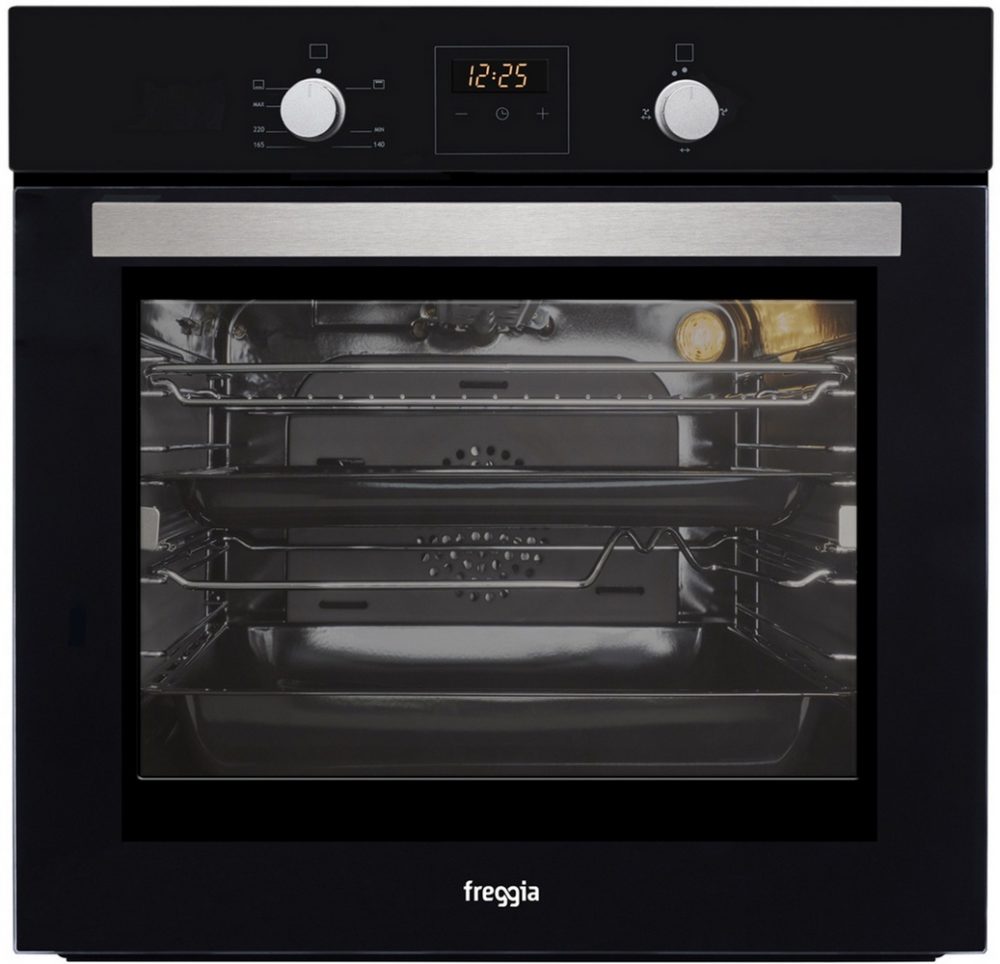
In conclusion, convection in a gas oven refers to the circulation of hot air inside the oven to ensure even cooking and browning of food. It is a useful feature that can be beneficial for various cooking tasks.
When using a gas oven with convection, it is important to follow certain guidelines. Firstly, make sure to read the instruction manual provided by the manufacturer to understand the specific settings and functions of your oven model. Secondly, remember to preheat the oven before placing the food inside. This allows for proper distribution of heat and optimal cooking results.
If you prefer to turn off the convection feature, you can usually do so by pressing a designated button on the control panel. This can be useful when baking certain delicate items that may not require the additional airflow provided by convection.
Keep in mind that convection ovens often have a shorter cooking time compared to conventional models. It is advisable to reduce the cooking time by about 25% when using convection, or follow the recommendations in your recipe for best results.
Additionally, convection ovens might produce a slight odor during initial use. This is due to the burning off of any residues from manufacturing and is considered normal. To eliminate the odor, it is recommended to run the oven at a high temperature for a short period of time, ensuring proper ventilation.
When it comes to maintenance and troubleshooting, it is important to regularly clean the oven, including the vent and fan parts, to ensure optimal performance. If you encounter any issues or malfunctions with the convection feature, it is recommended to contact a certified service technician or the manufacturer for assistance.
In summary, convection in gas ovens offers several advantages and features that can enhance your cooking experience. By understanding the principles and functionalities of this technology, you can make informed decisions in selecting the right oven and utilizing its capabilities to achieve delicious results.
For more information on gas oven convection and its usage, you can refer to the following video:
Видео:
Духовка Режим конвекции — как правильно
Духовка Режим конвекции — как правильно de COOLинарная ПРОпаганда 881.841 visualizaciones hace 7 años 8 minutos y 19 segundos


