Learn how to paint bathroom tiles easily without professional help
Painting tiles is a great way to give your bathroom a fresh new look without having to undergo a major renovation. This cosmetic technique allows you to transform the appearance of your bathroom tiles by applying a new color or pattern. The process involves using specific paint and techniques to ensure that the surface of the tiles is properly prepared and the paint adheres well. In this article, we will explore the different methods and technologies for painting bathroom tiles and provide you with a step-by-step guide on how to do it yourself.
When it comes to painting bathroom tiles, there are different options available. One popular method is to use floor tile paint, which is specifically designed for painting on the surface of tiles. This type of paint is durable and resistant to wear, making it suitable for high-traffic areas such as bathroom floors. Another option is to use decorative paint, which allows you to create a unique and stylish look by painting patterns or designs on the tiles.
Before you start painting, it is important to properly prepare the surface of the tiles. This involves cleaning the tiles thoroughly to remove any dirt, grease, or soap scum. You may also need to sand the surface lightly to create a rough texture, which will help the paint adhere better. Additionally, it is recommended to use a primer before applying the paint, as this will ensure better adhesion and prevent the paint from peeling or chipping over time.
When it comes to applying the paint, there are different methods you can use. One option is to use a brush, which allows for more control and precision, especially when painting intricate patterns or small areas. Another option is to use a roller, which is faster and more efficient for covering larger surfaces. You can also use a stencil or tape to create patterns or borders on the tiles.
In terms of the type of paint, there are different options available. You can choose between water-based or oil-based paints, depending on your preference and the specific requirements of your project. Water-based paints are easier to clean, have a lower odor, and dry faster, while oil-based paints provide a more durable finish, but have a longer drying time and a stronger odor. Additionally, you can use spray paint for a smoother and more even finish, especially when painting large areas.
Overall, painting bathroom tiles is a cost-effective and relatively easy way to update the look of your bathroom. With the right materials and techniques, you can achieve professional-looking results that will transform your bathroom into a stylish and inviting space. So why wait? Grab a brush and start painting!
Why paint tiles in the bathroom
There are several reasons why people choose to paint tiles in their bathrooms. First of all, it is a cost-effective solution compared to replacing the tiles altogether. Instead of spending hundreds or even thousands of dollars on new tiles, you can achieve a fresh look by simply painting them.
Another reason to paint tiles in the bathroom is to change the color or style of the room. Over time, you may find that the existing tiles no longer match your current design preferences. By painting them, you can easily update the look of the bathroom to fit your desired aesthetic.
In addition, painting tiles can be a practical solution in high-traffic areas such as bathroom floors. The constant foot traffic can cause the tiles to become worn or damaged. Painting the floor tiles not only provides a protective layer but also improves their appearance.
Furthermore, painting tiles in the bathroom allows for greater creativity and customization. With a variety of color options available in tile paint, you can choose a hue that suits your preference and complements the overall style of the bathroom. You can even create patterns or designs by using different colors or painting techniques.
There are various methods for painting tiles, depending on the type of tiles and the desired outcome. Some common approaches include using epoxy or polymer-based paints, aerosol spray paints, or manual brush application. The choice of method depends on factors such as the surface preparation, the desired finish, and personal preference.
It is important to note that proper surface preparation is crucial for a successful tile painting project. The tiles must be thoroughly cleaned and prepared before applying the paint to ensure good adhesion and longevity of the painted surface. Additionally, following the recommended guidelines for paint application, such as the number of coats and drying times, will help achieve the desired result.
In conclusion, painting tiles in the bathroom offers a cost-effective and customizable solution for renovating and refreshing the space. Whether you want to change the color, style, or simply rejuvenate worn-out tiles, painting can be a viable option. With proper preparation and the right products, you can achieve a long-lasting and aesthetically pleasing result.
Tile Painting Technology
When it comes to renovating a bathroom, one of the ways to give it a fresh look is by painting the tiles. This cost-effective solution allows you to change the color and style of the tiles without the need to replace them. Painting tiles can be done manually or by using spray paint, depending on your preference and the desired result.
Before painting the tiles, it is important to prepare the surface properly. This includes cleaning the tiles to remove any dirt or grime, as well as sanding them to create a rough surface for better paint adhesion. In some cases, a primer may also be applied to ensure an even and long-lasting finish.
There are different types of paint that can be used for tile painting, including epoxy and polymer paints. Epoxy paints are known for their durability and resistance to moisture and chemicals, making them suitable for bathroom and kitchen tiles. Polymer paints, on the other hand, have a lower viscosity and are easier to apply.
When applying the paint, it is important to use a brush suitable for the job. A brush with synthetic bristles is recommended for the best results. The paint should be applied in thin and even coats, with each coat allowed to dry before applying the next one. Depending on the desired color and opacity, multiple coats may be required.
Tile painting can be done on both walls and floors. For walls, the painting process is relatively straightforward, as the tiles are already flat and easily accessible. However, when it comes to painting the floor tiles, it is important to take into consideration the wear and tear that the floor will endure. In high-traffic areas such as bathrooms and hallways, it is recommended to use a sealer or a clear coat on top of the paint to protect it from scratches and fading.
In terms of style, tile painting allows for a variety of decorative options. You can create a completely new look by painting the tiles a different color, or you can add patterns and designs to create a unique and personalized space. The possibilities are endless!
Tile painting can be a cost-effective solution for giving your bathroom a fresh look. Depending on the size of the room and the complexity of the design, the cost of tile painting can range from a few hundred to a few thousand rubles. If you are not confident in your painting skills or if you want a professional finish, it is recommended to hire a specialist to do the job for you.
In conclusion, tile painting is a great way to transform the look of your bathroom without breaking the bank. With the right preparation, tools, and paint, you can achieve a beautiful and long-lasting result. So why not give it a try and bring a new life to your bathroom?
Surface preparation
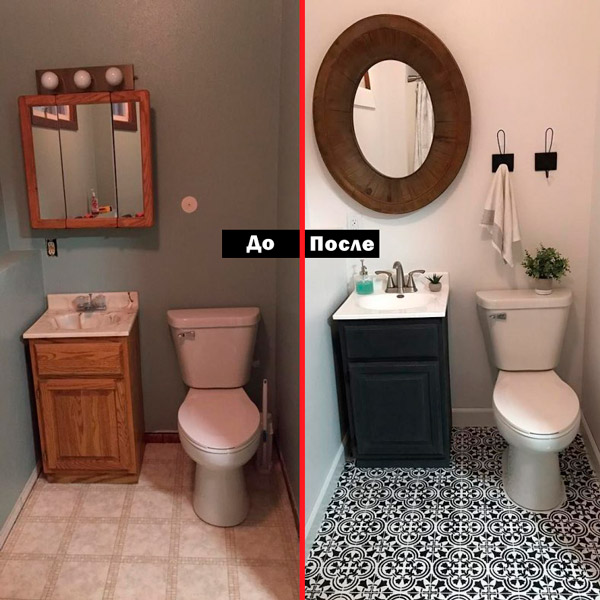
Surface preparation is an essential step in the process of painting tiles in your bathroom. Before you start applying paint, it is important to ensure that the surface is clean and free from any dirt, grease, or previous coatings.
If your tiles are in good condition and you want to give them a fresh new look, manual restoration may be the best option. This involves sanding the surface of the tiles to remove the previous coatings and create a smooth and even surface. It is important to wear protective gear, such as gloves and a mask, when performing this task to avoid inhaling any harmful dust particles.
In some cases, the previous coating may be in good condition, and you may choose to paint over it. To ensure proper adhesion of the new paint, it is recommended to lightly sand the surface of the tiles and clean it thoroughly before applying the new paint.
When choosing paint for your tiles, it is important to consider the style and theme of your bathroom. There are special tile paints available in a variety of colors that are specifically formulated to adhere to the surface of tiles. These paints often contain pigments or polymer additives to ensure good coverage and durability.
Before you start painting, it is important to protect the surrounding areas, such as the walls and floor, from paint splatters. You can use masking tape to create clean lines at the edges of the tiles and cover the rest of the surfaces with plastic sheeting.
Applying the paint to the tiles can be done using a brush or a roller. A brush is often preferred for smaller areas and corners, while a roller can be used for larger flat surfaces. Make sure to apply the paint evenly and with a consistent thickness.
If you want to add a decorative touch to your tiles, you can use stencils to create patterns or designs. Place the stencil over the tile and apply paint using a brush or sponge. Remove the stencil carefully to reveal the design.
After you have finished painting, allow the tiles to dry completely before using the bathroom again. The drying time can vary depending on the type of paint and the thickness of the coating. It is recommended to follow the manufacturer’s instructions for specific drying times.
In case any touch-ups are needed, you can use a brush or a fine-tipped paint pen to fix any imperfections.
Overall, the process of painting tiles in your bathroom can be a cost-effective and creative solution for updating the look of your space. However, it is important to note that this is a cosmetic solution and may not be suitable for all situations. In some cases, consulting a specialist or considering other renovation options may be necessary.
Choosing paint materials

When it comes to painting tiles in your bathroom, it is important to choose the right paint materials. The type of paint you use will greatly affect the outcome and durability of the painted surface. There are a few factors to consider when selecting the paint for your bathroom tiles.
Firstly, you need to decide whether you want to use a brush or an aerosol spray for application. Both methods have their pros and cons. Using a brush gives you more control over the application process and allows you to reach corners and edges easily. On the other hand, an aerosol spray can provide a more even and smooth finish, especially on large surfaces.
Next, you should consider the type of paint that is suitable for tiles. Acrylic-based paints are commonly used for this purpose as they are durable and provide good adhesion to tile surfaces. You can also opt for epoxy-based paints, which offer a higher level of durability and resistance to moisture and chemicals. These paints are ideal for areas prone to high humidity, such as bathrooms.
Another important factor to consider is the color of the paint. Lighter colors can make a room look larger and brighter, while darker colors can create a more dramatic and intimate atmosphere. However, keep in mind that darker colors may require multiple coats for full coverage.
It is also crucial to prepare the tile surface properly before painting. This includes cleaning the tiles thoroughly to remove any dirt, grease, or mold. It is recommended to sand the tiles lightly to create a rough surface that will help the paint adhere better.
When it comes to the actual painting process, there are different techniques you can use. Using a stencil or a masking tape can create interesting patterns and designs on the tiles. You can also try using a sponge or a rag to create a textured effect. Experiment with different techniques to find the one that suits your preferences the best.
Finally, after the paint has dried, it is important to apply a protective top coat. This will help seal the color and protect the painted surface from moisture and daily wear and tear. There are various types of top coats available, such as polyurethane or epoxy finishes.
In conclusion, choosing the right paint materials for your bathroom tiles is essential for a successful painting job. Consider factors such as the type of paint, color, application method, and top coat to achieve the desired result. With the right materials and techniques, you can transform your bathroom and give it a fresh new look.
Methods of application
When it comes to painting tiles in the bathroom, there are several methods you can use. The choice of method depends on why you want to paint the tiles, the desired outcome, and your personal preference.
If you want to change the color of the tiles or refresh their appearance, one option is to apply a cosmetic coating. These coatings are available in various colors and can be easily applied using a brush or roller. In this case, it is important to choose a paint with the right viscosity for the job. The paint should be thick enough to cover the tiles evenly, but not too thick that it becomes difficult to apply.
Another option is to use spray paint, which provides a more even and professional-looking finish. Spray paints are available in a wide range of colors, including black, and can be applied to both walls and floors. However, using spray paint requires some skill and practice to achieve a smooth and even application.
If you want to create a decorative pattern on the tiles, you can use a stencil or a template. This technique allows you to create intricate designs and patterns on the tiles without the need for professional assistance. Simply place the stencil or template over the tile and apply the paint using a brush or roller.
In some cases, you may need to restore or repair damaged tiles. To do this, you can use a cosmetic touch-up kit or a tile repair kit. These kits typically include a cosmetic coating, as well as tools and materials for repairing cracks or chips in the tiles. They are easy to use and can be applied directly to the damaged areas.
Before painting the tiles, it is important to prepare the surface properly. Clean the tiles thoroughly to remove any dirt, grease, or soap residue. If necessary, sand the tiles lightly to create a smooth and even surface. Prime the tiles with a tile primer to ensure better adhesion of the paint.
When applying the paint, start from one corner and work your way across the surface. Apply the paint in thin, even coats, allowing each coat to dry completely before applying the next one. This will help prevent drips and unevenness in the final result. Depending on the type of paint used, the drying time can vary, so be sure to follow the instructions on the paint can.
In conclusion, there are several methods you can use to paint tiles in your bathroom. Whether you choose to apply a cosmetic coating, use spray paint, or create decorative patterns with stencils, it is important to properly prepare the surface and apply the paint in thin, even coats. With the right materials and techniques, you can transform your bathroom tiles and give your bathroom a fresh new look.
Wall painting
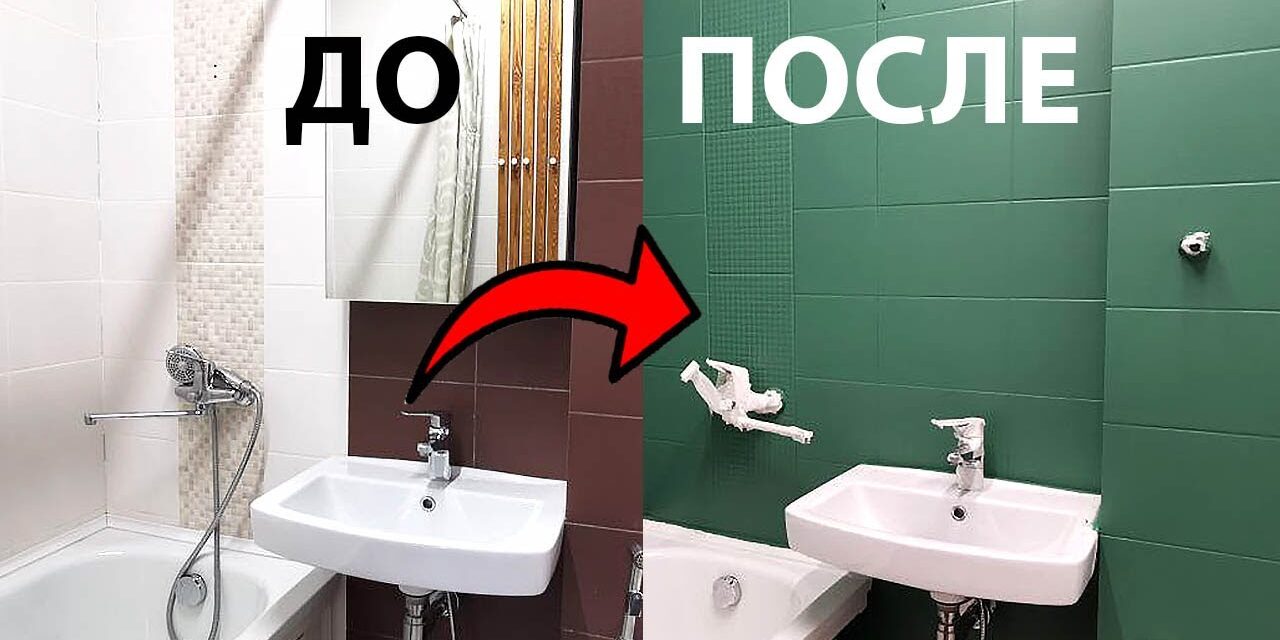
In the case of the previous topic on how to paint tiles in the bathroom, we mainly focused on painting the floor tiles. However, if you want to completely change the style and look of your bathroom, you can also consider painting the walls. Here are some tips and techniques for painting the walls in your bathroom:
- Preparation: Before painting the walls, it is important to properly prepare the surface. This includes cleaning the walls, removing any loose paint or wallpaper, and filling in any cracks or holes. Make sure to also cover any fixtures or surfaces that you don’t want to get paint on.
- Choosing the paint: When selecting paint for your bathroom walls, it is important to choose a type that is suitable for wet and humid environments. Epoxy paints are a popular choice for bathroom walls as they are resistant to water and moisture. Additionally, consider using pigments or decorative flakes to add a unique touch to the paint.
- Application methods: There are several methods for applying paint to the walls. You can use a brush or roller for larger surfaces, or a paint sprayer for a more even and professional finish. Another option is to use stencils or templates to create decorative patterns on the walls.
- Drying and curing: After applying the paint, allow sufficient time for it to dry and cure. This will ensure that the paint adheres properly to the walls and becomes durable. Follow the instructions on the paint can for drying times and avoid touching or cleaning the walls until the paint is fully cured.
- Maintenance: Keep in mind that painted walls may require additional maintenance compared to tiled walls. Regular cleaning with mild soap and water is usually sufficient, but avoid using abrasive cleaners or scrubbing too hard to prevent damage to the painted surface.
Overall, painting the walls in your bathroom can be a relatively simple and cost-effective way to update the look of the space. It allows you to experiment with different colors and styles, and can be done without the need for professional help. Just make sure to properly prepare the walls, choose the right type of paint, and apply it carefully for a long-lasting and visually pleasing result.
Cosmetic repair of the floor covering

When it comes to renovating the bathroom, it’s important not to overlook the flooring. The floor is not only functional, but it also sets the tone for the whole room. If you’re looking to give your bathroom a fresh new look, consider a cosmetic repair of the floor covering.
One popular option for floor decoration is to paint the tiles. Painting the floor tiles can completely transform the look of your bathroom. It’s a cost-effective and simple way to update the space without the need for a full renovation. Moreover, it’s a great solution for those who are not ready to commit to a specific tile color or pattern.
The first step in painting the floor tiles is to prepare the surface. Make sure the floor is clean and dry before you start. You may need to sand the tiles lightly to create a rough surface for better adhesion. Additionally, make sure to remove any old paint or sealer from the tiles.
When it comes to choosing paint for the floor tiles, there are several options available. One option is to use a polymeric coating, which is a durable and long-lasting solution. Another option is using decorative aerosol paint, which allows for easy application and provides a smooth, even finish. Both options come in a wide range of colors, so you can easily find a shade that suits your style.
If you’re feeling creative, you can also use stencils to create patterns or designs on the floor. Stenciling is a fun and easy way to add a unique touch to your bathroom. Simply place the stencil on the floor and apply the paint using a sponge or brush. You can use different colors or shades to create a more intricate design.
After applying the paint, allow it to dry completely. The drying time will depend on the type of paint you’re using, so make sure to follow the manufacturer’s instructions. Once the paint is dry, you can apply a clear sealer to protect the surface from scratches and stains.
Overall, a cosmetic repair of the floor covering is a great way to update your bathroom without breaking the bank. Whether you choose to paint the tiles or use stencils, you can easily transform your bathroom into a stylish and inviting space. So roll up your sleeves and get ready to give your bathroom floor a fresh new look!
Fragmented Painting and Decorating
In the process of renovating a bathroom, a cosmetic technology technique can be used, known as fragmented painting and decorating, to give a new look to the tiles on the walls and floor. This technique involves painting certain areas of the tiles in a different color, creating a stylish and unique design.
Before starting the fragmented painting, it is important to prepare the tiles properly. The surface should be clean, dry, and free of any dirt or grease. Any previous coating or paint should be removed to ensure good adhesion of the new paint. If the tiles have cracks or uneven surfaces, they should be repaired and leveled before proceeding with the painting process.
To achieve the fragmented effect, one option is to use masking tape to create straight lines between the areas that will be painted and the areas that will be left as they are. This technique allows for precise and even painting, giving the tiles a professional look. Another option is to paint freehand, using a small brush, to create a more organic and artistic pattern.
When choosing the color for the paint, it is important to consider the style and theme of the bathroom. Black is a popular choice as it can add a touch of elegance and sophistication to the space. However, any color can be used depending on the desired effect and the overall design of the bathroom.
In terms of paint selection, there are different options available. Regular wall paints can be used with good results, as long as they have good adhesion and durability. Another option is to use epoxy-based paints, which have a higher viscosity and are more resistant to wear and tear. These types of paints are often used in industrial settings but can also be used for bathroom tile painting.
When applying the paint, it is important to follow the manufacturer’s instructions for drying time and application techniques. In some cases, multiple coats may be necessary to achieve the desired color intensity. It is also important to allow the paint to dry completely before using the bathroom to avoid any potential damage to the newly painted tiles.
Fragmented painting and decorating can be a great option for bathroom tile restoration and renovation. It allows for creativity and customization while saving time and money compared to replacing the tiles. Whether using masking tape or freehand techniques, the end result can be a unique and stylish bathroom that reflects your personal taste and style.
It is worth noting that if you are not confident in your DIY skills or would like a smoother and more professional finish, it is recommended to hire a specialist who has experience in tile painting and restoration. They can provide advice on color selection, paint type, and application techniques to ensure the best results.
Видео:
Как покрасить Керамическую Плитку Своими руками
Как покрасить Керамическую Плитку Своими руками de Миша и Медведь 120.463 visualizaciones hace 1 año 9 minutos y 38 segundos


