Engineered board or laminate — which is better to choose for floor construction
When it comes to choosing the right flooring material for your home or office, there are a lot of options to consider. One of the most popular choices is either an engineered board or laminate. Both of these options have their own advantages and disadvantages, and understanding their differences can help you make an informed decision about which one to use.
An engineered board is a type of flooring that is composed of multiple layers, usually made from wood. The top layer is a solid piece of natural wood, which gives it a beautiful and authentic look. The bottom layers are made from a combination of wood fibers, which are glued together to form a strong and stable base. This layered construction allows the engineered board to be more resistant to warping and bending compared to solid wood flooring.
Laminate, on the other hand, is made from synthetic materials that are designed to replicate the look of natural hardwood. It consists of a high-density fiberboard (HDF) core, a photographic layer that mimics the appearance of wood, and a protective layer to enhance durability. Laminate flooring is generally more affordable than engineered board and is easier to install, making it a popular choice for DIY enthusiasts.
When choosing between an engineered board and laminate, there are several factors to consider. The first is the location where the flooring will be installed. Engineered board is more suitable for areas with high levels of moisture or fluctuating temperatures, such as basements or kitchens, as it is less prone to warping. Laminate, on the other hand, is more suitable for dry areas such as living rooms or bedrooms.
Another important factor to consider is the level of maintenance and care required. Engineered board can be refinished multiple times, allowing you to remove scratches or stains and restore its original look. Laminate, on the other hand, cannot be refinished and may need to be replaced entirely if it becomes damaged.
In terms of durability, both options have their own strengths. Engineered board is generally more resistant to moisture and can withstand high levels of foot traffic. Laminate, on the other hand, is more resistant to scratches and stains, making it a good choice for households with children or pets.
In conclusion, choosing between an engineered board and laminate depends on various factors such as the location, maintenance, and desired durability. Carefully considering these factors and evaluating the specific requirements of your space will help you make the right decision. Additionally, consulting with a professional can provide valuable insights and ensure that you choose the best flooring option for your needs.
General characteristics of engineered wood flooring
Engineered wood flooring is a popular choice for many homeowners due to its durability, versatility, and aesthetic appeal. It is made of several layers of wood, with a top layer of real hardwood and a bottom layer of plywood or high-density fiberboard. This construction gives engineered wood flooring its unique characteristics and makes it a reliable choice for flooring in various conditions.
One of the main advantages of engineered wood flooring is its ability to withstand changes in moisture and temperature. Unlike solid wood flooring, engineered wood is less likely to shrink, expand, or warp in response to humidity or temperature fluctuations. This makes it suitable for installation in areas with high moisture levels or areas that are prone to temperature changes, such as basements or rooms with underfloor heating.
Another important characteristic of engineered wood flooring is its durability. The bottom layer, made of plywood or high-density fiberboard, gives the flooring stability and strength, while the top layer of real hardwood provides the desired appearance and texture. This combination of layers ensures that engineered wood flooring can withstand heavy foot traffic and resist scratches, dents, and stains, making it suitable for both residential and commercial use.
In addition to its durability, engineered wood flooring is also known for its environmental friendliness. The production process of engineered wood uses less hardwood compared to solid wood flooring, making it a more sustainable option. Furthermore, the top layer of real hardwood can be sourced from responsibly managed forests, ensuring that the flooring is manufactured with minimal impact on the environment.
Engineered wood flooring is also relatively easy to install and maintain. It can be installed using various methods, including glue-down, nail-down, or floating, depending on the specific requirements of the project. Additionally, engineered wood flooring is easy to clean and requires minimal maintenance. Regular sweeping and occasional mopping are usually sufficient to keep the flooring in good condition.
When compared to laminate flooring, engineered wood offers several advantages. While laminate flooring is also durable and easy to maintain, it lacks the natural and authentic appearance of real wood. Engineered wood flooring, on the other hand, provides the beauty and warmth of natural wood, making it a more visually appealing option. Additionally, engineered wood flooring can be sanded and refinished multiple times, allowing for a longer lifespan compared to laminate flooring.
In conclusion, engineered wood flooring offers a wide range of benefits and is a popular choice for both residential and commercial applications. Its durability, versatility, and environmental friendliness make it a reliable and sustainable flooring option. Whether for its aesthetic qualities or practical advantages, engineered wood flooring remains a desirable choice for many homeowners.
General characteristics of laminate

Laminate flooring has become a popular choice for flooring construction, often being used as an alternative to engineered boards. Laminate is made up of several layers, with the core layer being made of high-density fiberboard (HDF) or medium-density fiberboard (MDF). The top layer is a printed design that can mimic the appearance of natural materials such as wood or tile. The surface layer is a transparent protective layer, which provides resistance to wear, staining, and fading.
Laminate flooring offers many advantages over traditional engineered boards. One of the main advantages is the ease of installation. Laminate floors can be installed using a click-together method, which does not require any glue. This makes it a popular choice for DIY projects or for those who want to save money on installation costs.
Another advantage of laminate flooring is its durability. Laminate floors have a wear layer that protects the underlying layers from scratches, stains, and fading. This wear layer is typically made of a melamine resin, which provides a strong and durable surface. This makes laminate flooring suitable for high-traffic areas and households with pets or children.
Laminate flooring is also known for its low maintenance requirements. It is easy to clean and does not require any special cleaning agents or techniques. Regular sweeping and occasional damp mopping are usually sufficient to keep the floors looking clean and shiny.
When it comes to the environmental friendliness of laminate flooring, it is a bit of a mixed bag. On one hand, laminate flooring is made from synthetic materials, which are not biodegradable. However, it does not require the use of any natural resources like hardwood flooring does. Additionally, laminate flooring can be recycled at the end of its life, reducing its environmental impact.
In summary, laminate flooring offers a wide range of benefits, including easy installation, durability, low maintenance, and a variety of design options. While it may not have the same natural qualities as engineered boards, laminate flooring can be a cost-effective and practical choice for many homeowners.
Parameters for comparing materials
When choosing between an engineered board and laminate for your flooring construction, it’s essential to consider various parameters to make an informed decision. These parameters include:
- Durability: Both engineered boards and laminate are known for their long lifespan. However, the durability of an engineered board depends on the quality and thickness of the wear layer, while laminate durability relies on the thickness and quality of the top layer.
- Installation: The installation methods may be different for engineered boards and laminate. While engineered boards are typically installed using the tongue-and-groove method, laminate can be installed with a floating or glue-down method.
- Maintenance: The care and maintenance requirements for both materials are relatively similar. Regular cleaning and proper care can ensure the longevity and appearance of both an engineered board and laminate flooring.
- Ecological aspects: If eco-friendliness is a priority for you, engineered boards are typically considered more environmentally friendly. They are made of real wood veneer, which is a renewable resource, while laminate is made of composite wood materials.
- Resistance to fading: Exposure to sunlight can cause colors to fade over time. Engineered boards with a protective coating are more resistant to fading compared to laminate flooring.
- Strength: Engineered boards have a sturdy construction due to their multi-layer design. Laminate, on the other hand, is constructed with a dense fiberboard core, which provides its strength.
- Overall quality: The quality of both engineered boards and laminate can vary depending on the brand and manufacturing process. It’s important to choose materials from reputable manufacturers to ensure a high-quality product.
- Usage conditions: Consider the specific conditions in which the flooring will be used. If the area is prone to moisture or temperature fluctuations, engineered boards are a better choice as they are more stable compared to laminate.
By analyzing these parameters, you can make an informed decision about whether to use an engineered board or laminate for your flooring project. Each material has its advantages and disadvantages, so it’s crucial to consider your specific needs and preferences before making a choice.
Ecological friendliness
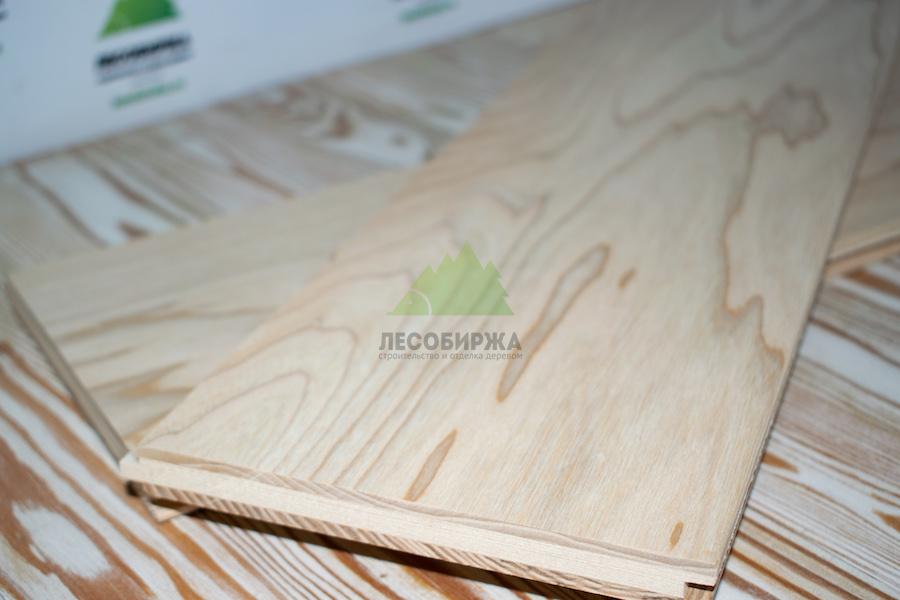
When choosing between an engineered board and laminate flooring for your construction project, it is important to consider the ecological impact of the materials used.
An engineered board can be made using a layer of natural wood, such as oak or birch, on top of a composite base. This means that the board can be used as a sustainable and renewable resource, as the inner layers are often made from recycled materials. In addition, the manufacturing process for engineered boards requires less energy and fewer trees compared to traditional hardwood flooring.
Laminate flooring, on the other hand, is made from a composite material that contains resins and other chemicals. While laminate flooring can be durable and resistant to fading, the manufacturing process can release harmful chemicals into the environment. These chemicals can be detrimental to both human health and the environment, particularly in enclosed spaces.
In terms of maintenance and care, engineered boards can be easily cleaned and maintained using natural cleaning products. Laminate flooring, on the other hand, may require specific cleaning solutions to maintain its appearance. Over time, laminate flooring can also show signs of wear and tear, which may affect its overall lifespan.
Therefore, in terms of ecological friendliness, an engineered board is generally preferred over laminate flooring. It offers a more sustainable and environmentally friendly option, depending on the quality and materials used. The strength and durability of an engineered board also make it a suitable choice for high-traffic areas.
Conditions of operation
When choosing between engineered board and laminate for floor construction, it is important to consider the conditions of operation. The durability and longevity of the flooring material depend on the specific parameters of the environment it will be installed in.
Engineered board can be used in a variety of conditions. It is suitable for both residential and commercial spaces, such as living rooms, bedrooms, offices, and shops. The material is resistant to general wear and tear, making it a popular choice for high-traffic areas. Additionally, engineered board is less prone to fading compared to laminate, ensuring that the flooring will maintain its appearance over time.
Laminate, on the other hand, is more sensitive to extreme conditions. It may not be suitable for rooms with high humidity levels, such as bathrooms or kitchens, as moisture can cause the boards to warp or expand. Laminate flooring is also susceptible to fading when exposed to direct sunlight, so it is important to consider the amount of natural light the space receives.
Both types of flooring require proper maintenance to ensure their longevity. Regular cleaning and maintenance routines should be followed to preserve the quality of the materials. It is important to avoid using abrasive cleaning agents, as they can damage the surface of the flooring. Instead, a damp mop or a specialized laminate cleaner can be used for laminate flooring, while engineered board can be cleaned with a soft brush or vacuum cleaner.
In summary, the choice between engineered board and laminate for floor construction depends on the specific conditions of the space. Engineered board is versatile and can be used in various environments, while laminate has limitations regarding moisture and sunlight exposure. Proper maintenance is key to maximizing the lifespan of both materials.
Care

Engineered wood and laminate flooring both require regular care and maintenance to ensure their longevity and optimal performance. Here, we will provide a comparison of the care and maintenance requirements based on the characteristics of each type of flooring.
| Parameter | Engineered Wood | Laminate |
|---|---|---|
| Material | Natural wood | Synthetic materials |
| Layer Composition | Multiple layers | Single layer |
| Stain Resistance | Varies based on the quality of the coating | High |
| Fading | Possibility of color fading over time | High resistance to fading |
| Moisture Resistance | Can be susceptible to moisture damage | High resistance to moisture |
| Environmental Impact | More eco-friendly | Less eco-friendly |
The care instructions for engineered wood flooring typically involve regular sweeping or vacuuming of the surface to remove dirt and debris. Spills should be wiped up immediately to prevent any liquid from seeping into the layers and causing damage. It is recommended to use a wood-specific cleaner and avoid harsh chemicals.
Laminate flooring, on the other hand, is relatively easy to maintain. It can be cleaned with a damp mop or cloth, and spills are less likely to cause damage due to its high resistance to moisture. However, it is important to avoid excessive water, as it can seep into the seams and cause swelling or warping of the laminate boards.
Both types of flooring should be protected from excessive sunlight to prevent fading. Area rugs or curtains can be used to minimize direct exposure to sunlight. Additionally, furniture pads should be used to prevent scratches and dents on the surface of the flooring.
In conclusion, the care and maintenance requirements for engineered wood flooring and laminate flooring are different based on their specific characteristics. Understanding these differences will help you choose the most suitable flooring option for your needs and ensure that it stays in good condition for a long time.
Durability
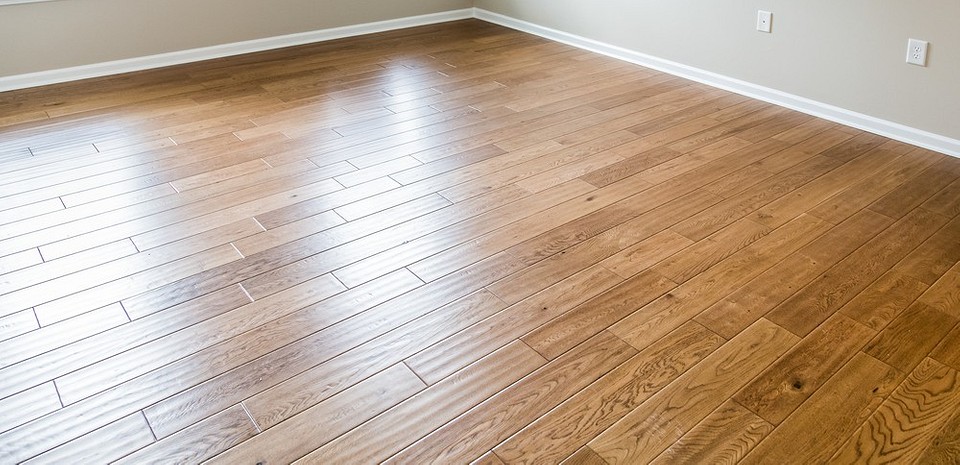
When it comes to the durability of flooring materials, both engineered boards and laminate can be strong and long-lasting options. However, there are some factors to consider in terms of their resistance to wear and tear and overall lifespan.
- Engineered Wood: Engineered boards are known for their durability, as they are made up of multiple layers of wood veneers that are glued together. This construction method enhances their strength and stability, making them less prone to warping or gapping. Additionally, engineered wood can withstand heavy foot traffic and is less susceptible to color fading due to sunlight exposure. Therefore, in terms of longevity, engineered boards can be a reliable choice.
- Laminate: Laminate flooring is also known for its longevity. It is made up of several layers, including a wear layer, image layer, and a backing layer. The wear layer protects the laminate from scratches, stains, and UV damage, ensuring its long-lasting appearance. However, it is worth noting that in areas with high moisture or humidity, laminate flooring may not perform as well as engineered boards due to its fiberboard core. Excessive moisture can cause the core to expand or warp, compromising the durability of the laminate.
Overall, the durability of the flooring material depends on various factors, including the quality of the materials used, the installation method, and the maintenance and care provided. Both engineered boards and laminate flooring have their own unique characteristics, making them suitable for different conditions.
- Engineered boards are more suitable for areas with fluctuating humidity levels or where moisture could be a concern, such as basements or kitchens. They can withstand these conditions better due to their layered construction and may also be refinished if necessary, extending their lifespan.
- Laminate flooring, on the other hand, is more commonly used in dry areas where moisture is not a major issue. It is easier to install with its click-lock system and requires less maintenance compared to engineered boards. However, in high-moisture areas, ensuring proper sealing and avoiding water spills is crucial to maintaining its durability.
Overall, both engineered boards and laminate flooring can be durable choices for your flooring needs. However, it is important to consider the specific conditions and requirements of your space to make an informed decision. Both materials offer different characteristics in terms of durability, so proper installation and maintenance are important to maximize their lifespan.
Installation method

When it comes to the installation method, both engineered boards and laminate can be used depending on the specific conditions and requirements of the room. However, there are some differences in terms of the installation process.
For engineered boards, the installation typically involves gluing or nailing the boards to the subfloor. This method provides a more stable and durable flooring option, especially in high-traffic areas. The engineered boards consist of multiple layers, including a solid wood top layer and a supportive core layer, making them suitable for heavy use. The installation process requires professional expertise to ensure a secure and long-lasting result.
On the other hand, laminate flooring is usually installed as a floating floor, meaning it is not glued or nailed down to the subfloor. Instead, the individual planks or tiles of laminate flooring are interlocked, creating a floating surface. This installation method is relatively easy and can be done by DIY enthusiasts. However, it is important to note that laminate flooring is not suitable for areas with excessive moisture or direct exposure to water, as it can cause damage to the boards.
In general, the choice of installation method depends on the specific requirements and conditions of the space. For areas where durability and longevity are essential, such as commercial spaces or high-traffic areas, the engineered board installation is recommended. On the other hand, for residential areas with normal wear and tear, the floating floor installation method with laminate flooring can be a more cost-effective solution.
Видео:
ОБ ЭТОМ НИКТО НЕ ЗНАЕТ! СТРАШНЫЕ МИНУСЫ теплого пола! / Как сэкономить на отоплении?
ОБ ЭТОМ НИКТО НЕ ЗНАЕТ! СТРАШНЫЕ МИНУСЫ теплого пола! / Как сэкономить на отоплении? by SKY HOME Строительство домов 976,821 views 9 months ago 8 minutes, 3 seconds


