Flexible Water Supply Line — How to Choose and Install a Siphon Hose for a Mixer
When it comes to connecting a mixer to the water supply, it is important to pay attention to the criteria for choosing a flexible water supply hose. It is an essential part of the installation process and directly affects the smooth operation and reliability of the entire system. In this article, we will discuss the advantages of using a siphon hose, as well as the main characteristics and types of flexible water supply hoses.
One of the main advantages of a siphon hose is its flexibility, which allows for easy installation in various types of premises. Unlike rigid pipes, a flexible hose can be quickly and easily connected to the mixer without the need for additional tools. This flexibility also makes it possible to connect the hose to water supply pipes that are located in hard-to-reach places. As a result, the installation process becomes faster and more convenient.
Another important advantage of siphon hoses is their reinforced construction. They are typically made of steel and have a protective braided cover. This design ensures high durability and resistance to mechanical damage, as well as protection against external factors such as extreme temperatures. Therefore, a siphon hose can be used in various conditions, including areas with high humidity or temperature fluctuations.
In addition to their practicality, siphon hoses also have a number of other benefits. First and foremost, they provide a reliable connection between the water supply system and the mixer, ensuring a continuous flow of water. Secondly, they are easy to maintain and inspect, as any leaks or damages can be easily detected due to the transparency of the hose material.
During the installation and operation of a siphon hose, it is important to follow certain guidelines and perform regular checks. Before connecting the hose to the mixer, it is recommended to thoroughly clean the water supply pipe to prevent any dirt or debris from entering the system. It is also important to check the pressure of the water supply and adjust it if necessary.
In conclusion, when choosing a flexible water supply hose for your mixer, it is important to consider the specific requirements of your installation and the characteristics of different types of hoses. Siphon hoses offer a practical and reliable solution, providing flexibility, durability, and easy installation. By following the guidelines for installation and maintenance, you can ensure the smooth operation of your water supply system for years to come.
Features of flexible sanitary hoses
Flexible sanitary hoses, also known as accordion hoses, are widely used in plumbing installations to connect faucets and other fixtures to water supply lines. These hoses are made of elastomeric material and typically have a reinforced core for added strength and durability. Here are some key features of flexible sanitary hoses:
- Flexibility: The main advantage of flexible hoses is their ability to bend and move easily. This allows for easier installation in tight spaces or areas with limited access. Unlike rigid pipes, flexible hoses can be easily maneuvered to fit around obstacles, making them ideal for complex plumbing arrangements.
- Elasticity: Flexible hoses are highly elastic, which means they can expand and contract as needed. This property allows the hoses to handle variations in water pressure without causing leaks or bursts. The elasticity of these hoses also helps absorb vibrations and reduce noise during water flow.
- Resistance to damage: Flexible hoses are resistant to common issues that can occur in plumbing systems, such as corrosion and scaling. They are also less prone to cracking or breaking under pressure, making them a reliable choice for long-term use.
- Quick and easy installation: Unlike rigid pipes, which require cutting and fitting, flexible hoses are designed for quick and easy installation. They can be easily connected to faucets and other fixtures using standard fittings, saving time and effort during the installation process.
- Adjustable length: Flexible hoses are available in various lengths, allowing for customization to suit specific plumbing requirements. This flexibility in length ensures a proper fit and eliminates unnecessary bends or extensions, which can affect water flow and cause pressure drops.
- Compatibility: Flexible hoses are compatible with most types of faucets and fixtures, making them a versatile choice for different applications. They can be used with both hot and cold water lines and are suitable for use in residential, commercial, and industrial settings.
In conclusion, flexible sanitary hoses offer several advantages over rigid pipes, including easy installation, flexibility, and resistance to damage. They are a reliable choice for connecting faucets and fixtures to water supply lines, ensuring proper water flow and preventing leaks or bursts. When choosing a flexible hose, it is important to consider its specifications and characteristics to ensure optimal performance and longevity.
Main advantages of products
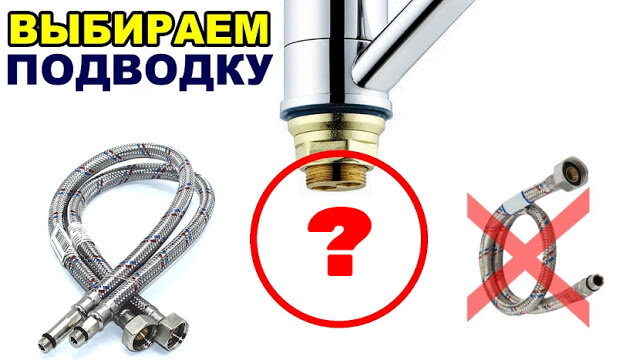
Flexible hose for a mixer is an optimal option for a water supply system in residential and commercial buildings. Such products have a number of advantages that make them practical and convenient to use. Below are the main advantages and characteristics of reinforced flexible hoses:
- Construction: Reinforced flexible hoses are made of high-quality materials, such as stainless steel or synthetic rubber, which provides durability and reliability. The reinforced construction of the hose ensures its resistance to pressure, bending, and stretching, making it suitable for various water supply systems.
- Easy installation: The installation of a flexible hose is simple and does not require any special tools or professional skills. The hose can be easily connected to the water supply system and the mixer using standard fittings and connectors.
- Practicality: Flexible hoses are versatile and can be used with different types of mixers. They are available in various lengths and diameters, allowing for easy adaptation to the specific requirements of the water supply system.
- Reliability: The reinforced construction of the hose ensures its resistance to leaks and damages. It is designed to withstand high water pressure and temperature fluctuations, ensuring long-term and trouble-free operation.
- Easy maintenance: Flexible hoses are easy to clean and maintain. They can be easily disconnected from the water supply system and cleaned if necessary. Regular inspection and maintenance help to identify any potential issues or damages and take timely measures for their elimination.
- Safety: Flexible hoses are designed to meet all safety standards and regulations. They are resistant to corrosion and do not release any harmful substances into the water supply. This ensures the safety and purity of the water used for drinking and other purposes.
In conclusion, reinforced flexible hoses for mixers have a number of advantages and are a practical solution for water supply systems. Their easy installation, durability, versatility, and safety make them a preferred choice for both residential and commercial buildings. To ensure the optimal performance and longevity of the flexible hose, regular inspection and maintenance are recommended.
Negative aspects of the device
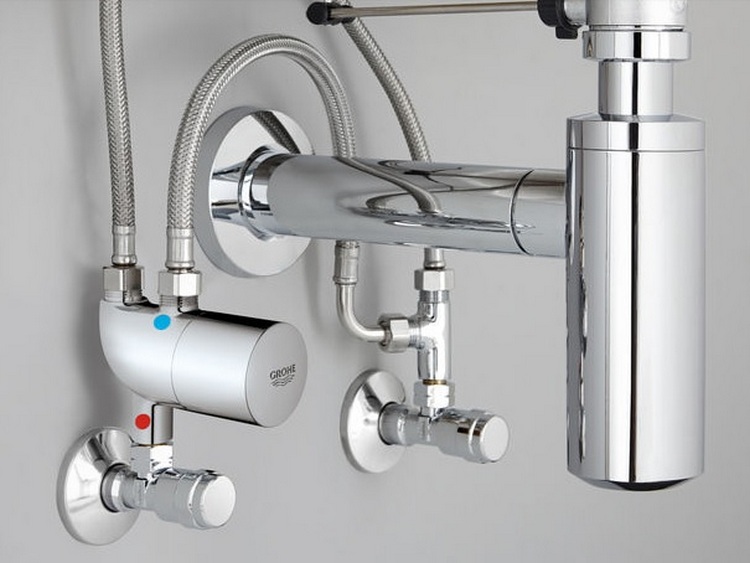
While flexible hoses for water mixers have many advantages, they also have some disadvantages that should be taken into account before installation. Here are a few negative aspects of using a flexible hose for water supply:
Potential for leakage: Despite their reinforced construction, flexible hoses are still vulnerable to wear and tear over time. There is a possibility of leakage if the hose is damaged or if the connection with the mixer or water supply is not properly sealed.
Incompatibility with certain types of mixers: Not all mixers are designed to be connected to a flexible hose. Some mixers require rigid pipe connections, and using a flexible hose in such cases may not be possible without additional adapters or modifications.
Higher cost compared to rigid pipes: Flexible hoses are generally more expensive than traditional rigid pipes. This means that using a flexible hose for water supply may require a larger budget for installation or renovation projects.
Complex installation: Installing a flexible hose for water supply may require more effort and time compared to connecting rigid pipes. Following the instructions provided with the device is crucial to ensure proper installation and avoid potential issues during use.
Potential for kinking: Although flexible hoses are designed to be resistant to kinking, there is still a possibility of kinks forming in the hose. This can restrict water flow and affect the optimal operation of the mixer.
Potential for expansion: Flexible hoses can expand under high water pressure, leading to issues with the overall performance of the mixer. It is important to choose a flexible hose with an optimal diameter that can handle the water pressure in your plumbing system.
While these negative aspects should be taken into consideration, it is worth noting that flexible hoses for water mixers still offer many advantages and are widely used in various plumbing applications. It is important to carefully weigh the pros and cons before deciding whether a flexible hose is the right choice for your specific needs.
Types of water supply hose characteristics and application specifics
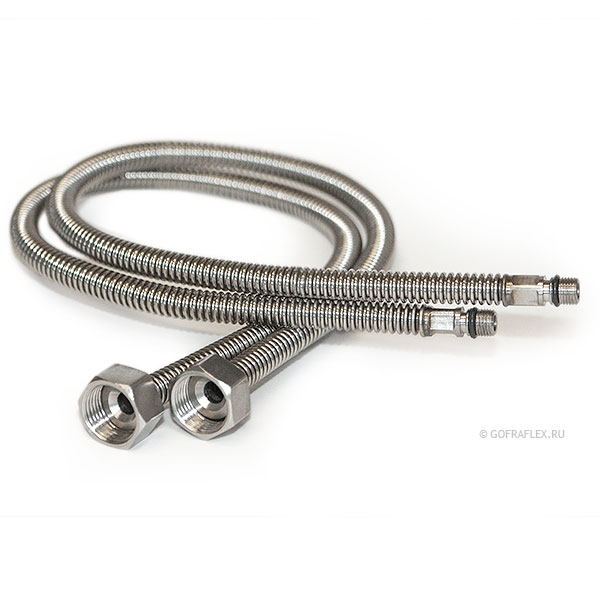
Flexible water supply hoses are essential components when installing a faucet. They are designed to connect the water supply pipe to the faucet, providing a reliable and leak-free connection. These hoses come in different types and offer various advantages and characteristics that make them suitable for different installation scenarios.
One of the main advantages of flexible water supply hoses is their ability to flex and bend, allowing for easy installation even in tight spaces. Unlike rigid pipes, these hoses can be easily maneuvered and connected to the faucet without the need for complicated joint fittings. This flexibility also makes them less susceptible to damage from vibrations or movements, ensuring a longer lifespan.
When choosing a water supply hose, it is important to consider its material and construction. The most common types available on the market are stainless steel and reinforced PVC hoses. Stainless steel hoses offer excellent durability and resistance to corrosion, while reinforced PVC hoses are more affordable and suitable for standard installations.
In addition to the material, it is important to consider other characteristics such as length, diameter, and connection type. The length of the hose should be sufficient to reach from the water supply pipe to the faucet without stretching or twisting excessively. The diameter should match the size of the water supply pipe and the faucet connection. The connection type could be compression, screw, or push-fit, depending on the specific requirements of the installation.
Before installing the water supply hose, it is recommended to perform a thorough inspection to ensure there are no damages or defects. Check for any kinks, cracks, or leaks that might compromise its performance. It is also essential to follow the manufacturer’s instructions for proper installation, as improper installation could result in leaks or other issues.
In summary, flexible water supply hoses are essential components when installing a faucet. They offer a convenient and reliable solution for connecting the water supply to the faucet. When choosing a hose, consider its material, length, diameter, and connection type to ensure a proper fit. Perform a thorough inspection before installation to check for any damages or defects.
Flexible hoses with reinforced braiding
Flexible hoses with reinforced braiding are practical and versatile devices used to connect various plumbing fixtures, such as faucets and mixers, to the water supply. Unlike rigid pipes, these hoses offer greater flexibility, making them easier to install and connect.
One of the main advantages of flexible hoses is their ability to withstand high water pressure. The reinforced braiding provides extra strength and prevents the hose from bursting under excessive pressure. This makes them an optimal choice for connecting devices that require a constant and strong water flow, such as mixers.
In addition to their strength, flexible hoses in reinforced braiding also have other features that make them superior to other types of hoses. They are resistant to corrosion and rust, ensuring long-lasting performance even in harsh water conditions. The flexibility of these hoses allows for easy installation and maneuverability, making them suitable for tight spaces and complex plumbing configurations.
When it comes to connecting a mixer or any other plumbing fixture, using a flexible hose with reinforced braiding is the best option. The hose can be easily attached to the water supply using standard fittings, providing a secure and leak-free connection.
Furthermore, flexible hoses in reinforced braiding are a practical choice for both residential and commercial applications. They offer a reliable and durable solution for connecting various plumbing fixtures and can be used in a wide range of settings, including kitchens, bathrooms, and laundry rooms.
Overall, the use of flexible hoses in reinforced braiding offers several advantages: they are easy to install, resistant to high pressure, durable, and versatile. These hoses are a necessary component of any plumbing system and ensure efficient water supply to various devices.
Siphon Tubes for Water
Siphon tubes for water are an optimal choice for flexible connections between faucets and plumbing. They are a better alternative to rigid steel pipes, offering greater flexibility and ease of installation. Siphon tubes are designed to withstand high water pressure and can be quickly and easily connected to the water supply.
One of the main advantages of siphon tubes is their flexibility. The construction of these flexible hoses allows them to accommodate movement and provide a reliable connection between the faucet and the water supply. They can be bent and adjusted to fit any space, making them practical for various types of installations.
When choosing siphon tubes for water, it is important to consider their characteristics. The diameter of the tube should be appropriate for the intended use, as a larger diameter can result in reduced water pressure. Additionally, the materials used in the construction of the tube should be able to withstand the specific conditions of the water supply, such as temperature fluctuations and high pressure.
There are different types of siphon tubes available, including reinforced ones, which have an additional layer of reinforcement for added durability. Siphon tubes can also be equipped with various fittings for easy connection to different types of faucets and plumbing systems.
It is recommended to follow the manufacturer’s instructions for proper installation of siphon tubes. This ensures a secure and leak-free connection, minimizing the risk of damage or water leakage. Regular inspection and maintenance of the siphon tubes are also important to ensure their proper functioning and longevity.
In conclusion, siphon tubes for water are a practical and reliable solution for flexible connections in plumbing systems. Their flexibility, ease of installation, and various options make them a popular choice among homeowners and professionals alike. By choosing the right siphon tube and following proper installation instructions, it is possible to ensure a secure and efficient connection to the water supply.
Main criteria for selecting the product
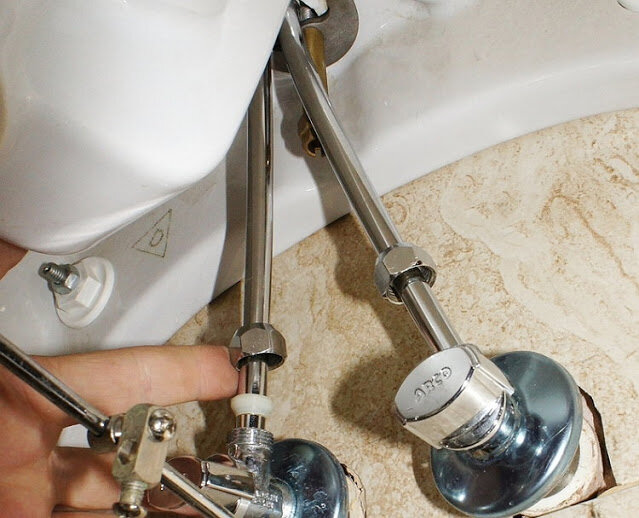
When choosing a flexible hose for connecting a mixer to a water supply, it is important to consider several key criteria and characteristics that will ensure the optimal and practical operation of the product.
Flexibility and strength. A flexible hose should be able to bend easily and smoothly, allowing for convenient installation and connection of the mixer. At the same time, it should be strong enough to withstand the pressure of the water flow and the movements during operation. Reinforced hoses, such as armoured hoses, are considered to be more durable and resistant to damage.
Compatibility. It is important to ensure that the chosen flexible hose is suitable for the specific mixer model and the water supply system. Different mixers have different connection options, so it is necessary to carefully read the instructions or consult with professionals to choose the correct type of hose.
Length. The length of the flexible hose is also an important factor to consider. It should be long enough to comfortably connect the mixer to the water supply without excessive tension or bending. On the other hand, a hose that is too long can be cumbersome and take up unnecessary space.
Quality. The quality of the flexible hose is crucial for its long-term performance and reliability. It is recommended to choose hoses from reputable manufacturers that offer products with good reviews and a proven track record.
Leak-proof design. A flexible hose should have a leak-proof design to prevent water leakage and potential damage to the surrounding areas. It is recommended to choose hoses with high-quality seals and connectors to minimize the risk of leaks.
Ease of installation. The installation process should be simple and straightforward, allowing for easy and quick connection of the hose to the mixer and water supply. Hoses with clear instructions and user-friendly design are preferable in terms of convenience.
Overall, when choosing a flexible hose for a mixer, it is important to consider all these criteria and characteristics to ensure efficient and safe operation. Taking into account the specific requirements and features of the mixer and the water supply system, as well as carefully following the manufacturer’s instructions, will help make the right choice and avoid any potential issues during installation and operation.
| Criteria | Description |
|---|---|
| Flexibility and strength | The hose should be flexible and bend easily, while also being strong enough to withstand water pressure. |
| Compatibility | The hose should be compatible with the specific mixer model and water supply system. |
| Length | The hose should be of the appropriate length to comfortably connect the mixer to the water supply. |
| Quality | The hose should be of high quality to ensure long-term performance and reliability. |
| Leak-proof design | The hose should have a leak-proof design to prevent water leakage and damage. |
| Ease of installation | The hose should be easy to install, with clear instructions and user-friendly design. |
Instructions for connecting the supply hose
When installing a faucet, it is important to choose the right type of supply hose to ensure optimal performance and functionality. Flexible hoses, also known as braided hoses or supply lines, are commonly used to connect the water supply to faucets. Here are some instructions on how to connect a flexible supply hose to your faucet:
- First, turn off the water supply to the faucet.
- Remove any existing rigid supply tubes or pipes that may be connected to the water supply.
- Take the flexible supply hose and inspect its characteristics, such as length, diameter, and pressure ratings, to ensure they match the requirements of your faucet and plumbing system.
- If necessary, adjust the length of the flexible supply hose by cutting it to the desired size. Be sure to use a sharp, clean cutter to avoid damaging the hose.
- Before connecting the supply hose to the faucet, visually inspect both ends of the hose for any defects, such as cracks or leaks. Replace the hose if any defects are found.
- Attach one end of the supply hose to the threaded connection on the bottom of the faucet. Hand-tighten the connection, and then use a wrench to give it an additional quarter-turn to ensure a secure fit. Be careful not to overtighten, as this can damage the connection.
- Connect the other end of the supply hose to the water supply valve. Again, hand-tighten the connection, and use a wrench to give it a quarter-turn for a secure fit.
- Turn on the water supply and check for any leaks around the connections. If leaks are present, tighten the connections further or replace the supply hose if necessary.
- Once the connections are secure and leak-free, test the functionality of the faucet by turning it on and off. Check for any abnormal water flow or pressure issues.
- Finally, ensure that the flexible supply hose is not kinked or twisted, as this can restrict water flow and cause damage over time.
Following these instructions will help you properly connect a flexible supply hose to your faucet, ensuring a hassle-free installation and optimal performance throughout its lifespan.
Conclusions and useful video on the topic
The choice and installation of a flexible water supply hose, or siphon tube, for a faucet is an important aspect of plumbing installations. Flexible hoses offer several advantages over rigid pipes and are widely used for connecting faucets and other plumbing devices to the water supply. The flexible construction of these hoses allows for easy installation and provides flexibility in the positioning of the faucet. They are also resistant to leaks and are less likely to loosen over time.
When choosing a flexible water supply hose, there are several criteria to consider. The diameter and length of the hose should be suitable for the specific installation. The pressure rating of the hose should also be taken into account to ensure it can withstand the water pressure in the plumbing system. Additionally, the material of the hose, such as reinforced rubber or stainless steel braided, should be chosen based on the specific requirements of the installation.
One of the main advantages of flexible hoses is their ability to handle the movement and vibrations that occur during the normal use of the faucet. This prevents damage to the plumbing system and reduces the likelihood of leaks. The flexibility of the hoses also makes them easier to connect to the water supply and the faucet, as they can be easily bent and maneuvered into place.
During the installation of a flexible water supply hose, there are some important considerations to keep in mind. The hoses should be properly tightened and checked for leaks after installation. It is also important to follow the manufacturer’s instructions for installation and to use the appropriate tools and equipment. Regular maintenance and inspection of the hoses is also recommended to ensure their proper functioning.
In conclusion, the use of flexible water supply hoses, such as siphon tubes, is a recommended choice for connecting faucets and other plumbing devices to the water supply. The flexible construction, ease of installation, and resistance to leaks make them a preferred option for many plumbing installations. By considering the specifications and requirements of the specific installation, and following proper installation and maintenance practices, the use of flexible hoses can contribute to the efficient and reliable operation of the plumbing system.
For more information and a detailed overview of the topic, you can watch the following informative video:
Video: How to choose and install a flexible water supply hose for a faucet
[Provide the link to the video here]
Видео:
Как правильно выбрать шланг для смесителя
Как правильно выбрать шланг для смесителя de Всё своими руками 11.877 visualizaciones hace 3 años 1 minuto y 23 segundos


