How to Remove a Clog in Your Sink and What Tools to Use to Clear a Blocked Section in Your Plumbing System
If you have ever encountered a clogged drain, you know that it can be quite frustrating. The water does not drain properly, and unpleasant odors may start to occur. Fortunately, there is a simple solution to this problem – using a cable. A cable, also known as a drain snake or an auger, is a popular tool for removing clogs in plumbing systems. In this article, we will explore the features and benefits of using a cable for unclogging drains, as well as provide step-by-step instructions on how to use it effectively.
One of the main advantages of using a cable is its versatility. Unlike other methods, such as using chemicals or a plunger, a cable can effectively remove clogs of various sizes and types. Whether it is a small clog caused by hair or a more significant blockage due to food particles or grease, a cable can tackle it all. Additionally, using a cable does not require any special skills or expertise, making it a convenient and cost-effective solution for homeowners.
Using a cable is easy and straightforward. First, you need to purchase a cable from a hardware store or online. There are different types and lengths available, so make sure to choose the one that suits your needs. Typically, a cable with a length of 4 to 5 feet is sufficient for most household clogs. Additionally, consider buying a cable with an attached handle or a separate handle for easy maneuvering.
Once you have the cable, you can start the unclogging process. Begin by inserting the cable into the drain, pushing it in until you feel some resistance. Then, rotate the cable clockwise using the handle to break up the clog. It might take a few tries to completely remove the blockage, so be patient and persistent. After you have cleared the clog, remove the cable from the drain and run hot water to flush out any remaining debris.
Causes of sink clogging
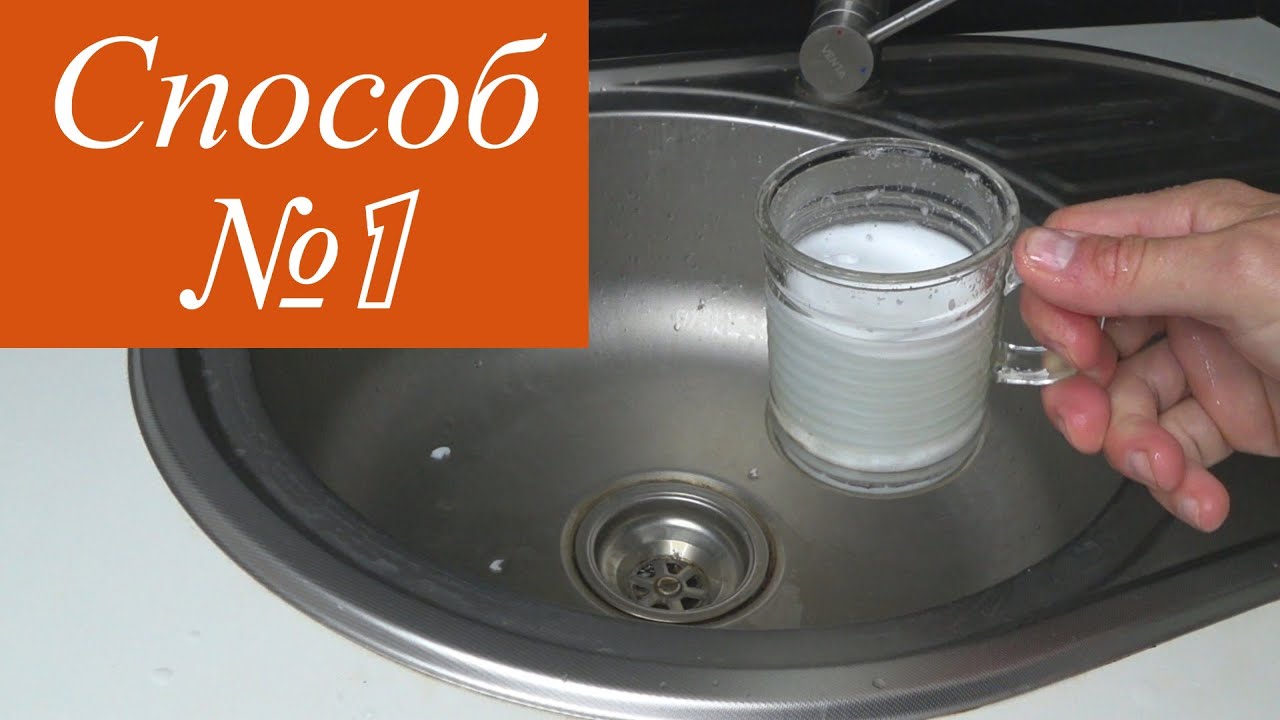
There can be several reasons for the clogging of a sink. It is important to identify the cause in order to effectively clear the blockage. Here are the most common causes:
| 1. | Incorrect installation: | Improper installation of the sink pipes can lead to blockages. It is crucial to ensure that the pipes are correctly connected and aligned. |
| 2. | Foreign objects: | Objects such as hair, food scraps, and soap residue can accumulate over time and cause blockages in the sink drain. |
| 3. | Chemical buildup: | Chemicals from cleaning products or toiletries can build up in the pipes and eventually lead to a clog. |
| 4. | Fats and oils: | When fats and oils are disposed of down the sink, they can solidify in the pipes and create a blockage. |
| 5. | Corrosion: | Over time, pipes made of materials like cast iron can corrode, resulting in a narrowed or blocked pipe. |
If you experience a clogged sink, it is recommended to seek professional help or use a specialized tool for pipe clearing. Attempting to fix the issue without proper knowledge or equipment may worsen the problem.
Errors in the Installation of Plumbing Fixtures
When it comes to the installation of plumbing fixtures, there are several common mistakes that can lead to clogging and blockages in the sewage system. Failure to properly install these elements can result in the accumulation of gunk and other debris, causing serious problems down the line.
One of the main causes of blockages is the incorrect use of tools and equipment. Many people try to save money by using homemade or improper tools for the installation of pipes and drains. However, this can often lead to damage and leaks. It is essential to use the right tools for the job, such as a pipe wrench or pliers, to ensure a secure and tight connection.
Another common mistake is the improper sealing of pipes. When installing plumbing fixtures, it is crucial to ensure that all connections are tightly sealed to prevent any leaks. Using a pipe joint compound or Teflon tape can help create a watertight seal and prevent any water or debris from seeping through.
Furthermore, an incorrect slope or angle in the installation can also result in blockages. Properly sloping pipes allow for the smooth flow of wastewater, ensuring that it does not stagnate and accumulate debris. If the pipes are not sloped correctly, the water may not flow properly, leading to clogs and backups. It is important to take the time to measure and install pipes with the correct slope to avoid this issue.
In addition to these errors, using the wrong pipe size can also cause problems. It is important to choose the right size of pipe for the specific plumbing fixture and application. Using pipes that are too small can lead to a restricted flow and subsequent clogging, while pipes that are too large may not provide enough pressure to effectively clear debris. It is crucial to consult with professionals or refer to plumbing guidelines to determine the correct pipe size for your needs.
Lastly, neglecting to clean the pipes and drains regularly can also lead to blockages. Over time, a buildup of grease, hair, and other debris can accumulate in the pipes, causing clogs and backups. Regular maintenance, such as flushing the system with hot water or using chemical drain cleaners, can help prevent these issues and keep your plumbing fixtures functioning properly.
By avoiding these common errors in the installation of plumbing fixtures, you can ensure the proper functioning of your sewage system and prevent clogs and blockages from occurring.
Improper use of the sink
One of the main reasons for clogs in the sink is improper use. When using the sink for washing dishes or utensils, it is common for grease and fat to accumulate in the pipes. Over time, this grease buildup can gradually block the flow of water and lead to a clogged pipe.
To effectively eliminate the clog, it is important to first determine the location of the blockage in the drainage system. This can be done using a self-made tool or by purchasing a specialized instrument for this purpose. Once the location of the clog is identified, the next step is to remove it.
When dealing with a clog in the sink, it is recommended to start with simple methods before resorting to more advanced measures. One can start by using hot water to break down the grease and fat in the pipes. If this doesn’t work, a plunger can be used to create pressure and dislodge the clog.
In cases where the clog is more stubborn and cannot be removed using basic methods, a plumbing snake can be employed. Also known as a drain auger, this instrument is designed to reach deep into the pipe and break up the clog.
Another option is to use chemical drain cleaners, but this should be done with caution as these cleaners can damage the pipes if used incorrectly. It is important to carefully follow the instructions and use protective gloves and eyewear when handling these chemicals.
In some cases, it may be necessary to dismantle the sink’s trap or siphon to access the clog. This can be done using a wrench to loosen the nuts and then removing the trap. Once the clog is cleared, the trap can be reassembled.
In conclusion, improper use of the sink can lead to clogs in the pipes. To effectively eliminate the clog, it is important to determine its location and then choose the appropriate method for removing it. By following proper maintenance practices and being mindful of what goes down the drain, clogs can be prevented in the first place.
Using cast iron sewage pipes
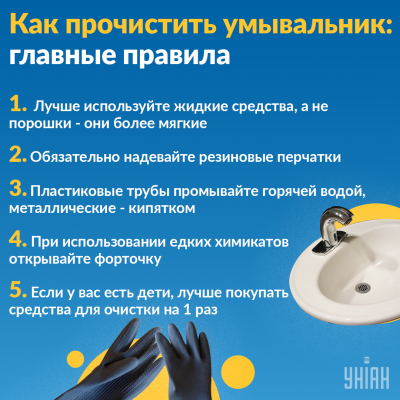
If you have a clogged drain or a blockage in your sewer line, it is important to find an effective way to clear the obstruction. One option is to use a cast iron pipe, which is known for its durability and resistance to corrosion. Here are some of the benefits and considerations when using cast iron sewage pipes.
- Durability: Cast iron pipes are highly durable and can withstand heavy use and the pressure of hot water. This makes them an excellent choice for sewage systems where blockages can occur frequently.
- Resistance to clogs: Cast iron pipes have a smooth interior surface, which reduces the chance of clogs and blockages. This is especially important in high-use areas such as kitchen sinks and bathroom drains.
- Effective clearing: Cast iron pipes are compatible with various clearing tools and techniques. You can use a plunger or a plumbing snake to clear minor blockages. For more stubborn clogs, a power auger or a hydro jetting system can be employed.
- Proper installation: It is essential to ensure proper installation of cast iron pipes to prevent future problems. The pipes should be securely connected and properly aligned to maintain a smooth flow of wastewater.
- Regular maintenance: Regular maintenance is necessary to prevent clogs and maintain the efficiency of cast iron pipes. This includes periodic cleaning and the use of drain cleaners or enzyme treatments to eliminate any buildup or debris.
In conclusion, using cast iron sewage pipes can be an effective solution for clearing clogs and blockages in your plumbing system. Their durability, resistance to clogs, and compatibility with various clearing tools make them an excellent choice for efficient sewage systems. However, proper installation and regular maintenance are crucial for their long-term functionality.
TOP 5 tools for mechanical unclogging

When it comes to eliminating clogs in your sink or unclogging a section of pipe, using mechanical methods can be the most effective. There are various tools available that are specifically designed for this purpose. Here is a list of the top 5 tools for mechanical unclogging that can help you effectively eliminate blockages in your plumbing system.
| #1 | Plumbing snake | A plumbing snake, or drain auger, is a flexible tool that can reach clogs deep within the pipes. It features a long metal cable with a handle at one end and a coiled metal or plastic tip at the other. By inserting the snake into the pipe and manually turning the handle, you can break up and remove the clog. |
|---|---|---|
| #2 | Plunger | A plunger is a common and effective tool for unclogging drains. It works by creating pressure and suction to dislodge the clog. Plungers are typically used for smaller blockages near the surface, such as in sink or bathtub drains. |
| #3 | Pipe wrench | A pipe wrench is a versatile tool that can be used for a variety of plumbing tasks, including unclogging pipes. Its adjustable jaws can grip onto pipes of different sizes, allowing you to apply the necessary force to remove or tighten pipe fittings. |
| #4 | Wire brush | A wire brush can be used to clean the inside of pipes and remove any buildup or debris that may be causing a clog. It is especially useful for removing residues such as grease or soap scum. Make sure to choose a wire brush that is appropriate for the material of your pipes. |
| #5 | Power drill with drain cleaning attachment | If you prefer a more high-powered approach, you can use a power drill with a drain cleaning attachment. These attachments typically consist of a long, flexible cable with a brush or cutting head at the end. By attaching the cable to the drill and inserting it into the pipe, you can break up and remove stubborn clogs. |
Before using any of these tools, it is important to determine the cause and location of the clog. This will help you choose the right tool and avoid damaging your plumbing system. Additionally, always wear protective gloves and eyewear when working with plumbing tools.
Remember, if you are unsure or uncomfortable with unclogging your pipes yourself, it is best to contact a professional plumber who can safely and efficiently handle the job.
Tool 1 — Plunger for Sink
One of the most common methods for unclogging a sink is to use a plunger. A plunger is a simple and effective tool that can help you remove blockages from your sink or pipe.
The plunger consists of a handle and a rubber cup at the end. The cup is usually made of rubber or a similar flexible material, which allows it to create a tight seal around the sink drain or pipe opening. This seal is important because it helps to create the suction needed to dislodge the clog.
To use a plunger, start by filling the sink with enough water to cover the rubber part of the plunger cup. This water will help to create a better seal and increase the effectiveness of the plunging action.
Next, place the plunger over the sink drain or pipe opening, making sure that it covers the entire opening. Press down on the plunger handle to create a seal, and then quickly pull up on the handle to create suction. Repeat this plunging motion several times, being careful not to break the seal between the plunger and the sink.
The repeated plunging action helps to dislodge the clog and push it further down the pipe. After several plunges, remove the plunger and check to see if the water is draining more freely. If the water starts to drain, you have successfully cleared the blockage. If not, you may need to repeat the process or try another method.
It’s important to note that plungers are most effective for removing blockages located near the sink drain. If the clog is further down the pipe or in the main sewer line, you may need to use other tools or methods to clear it.
When using a plunger, it’s also important to take some safety precautions:
- Always wear rubber gloves to protect your hands from any bacteria or chemicals that may be present in the sink or pipe.
- Avoid using chemical drain cleaners before or after plunging, as they can create harmful fumes when mixed with water and may damage the rubber cup of the plunger.
- If the plunging method doesn’t work, consider calling a professional plumber to assess and resolve the issue.
Tool 2 — Plumbing Snake
Plumbing snake is a popular tool used for unclogging drains and removing blockages in plumbing pipes. It is commonly used to clear grease and fat buildup in kitchen sink drains, as well as for general maintenance and cleaning of the drainage system.
One of the most common and effective tools for this purpose is a metal plumbing snake, also known as a drain auger. It consists of a long, flexible cable with a coiled or spiral end that can easily navigate through the narrow passages of pipes. The snake is inserted into the clogged pipe or drain, and by turning the handle at the other end, it is pushed further in, gradually breaking up and clearing the blockage.
Unlike other tools used for drain cleaning, the use of a plumbing snake does not require disassembling the pipes or using chemicals. It can clear blockages even in the most challenging areas, where other methods might not be effective. Another advantage of using a plumbing snake is that it does not damage the pipes or cause any harm to the environment.
When purchasing a plumbing snake, it is important to consider its length. A 5-foot long snake is usually sufficient for most household applications, but longer ones are available for more extensive use. The thickness and flexibility of the snake also play a role in its effectiveness, so choosing the right size is crucial.
The usage of a plumbing snake is relatively simple. Insert the coiled end into the drain or pipe and push it in until resistance is felt. Rotate the handle clockwise while pushing the snake further in to break up the clog. If required, pull back the snake to remove any debris and repeat the process until the blockage is completely cleared.
It is important to note that while a plumbing snake can be used for almost any type of drain, it is not suitable for use in toilets. For toilet blockages, a plunger or a toilet auger should be used instead.
Overall, a plumbing snake is an effective and versatile tool for dealing with clogged drains and pipes. Its flexibility and simplicity of use make it a popular choice among homeowners for regular maintenance and unclogging tasks.
Tool 3 — flexible shaft
One of the most effective tools for eliminating clogs in a sink or pipe is a flexible shaft. These shafts are made of a metal wire or cable with a length that can vary depending on the specific model or brand. The metal wire is typically coated with a protective layer, such as cold-rolled steel or galvanized iron, to prevent damage and increase durability. When a clog forms in the drainage system, a flexible shaft can be inserted into the affected area to break up the clog and restore proper water flow.
Using a flexible shaft is relatively simple. First, the user should locate the clogged area of the pipe or sink. This can often be identified by a slow or blocked drain. It’s important to turn off the water supply before attempting any kind of maintenance or repair. Once the clogged area is found, the flexible shaft can be inserted into the pipe or sink. The shaft should be gradually pushed in while applying gentle pressure. It’s essential to avoid using excessive force, as this can damage the pipe or sink. The flexible shaft can be rotated or twisted to help break up the clog, and it can be pulled back out once the clog is eliminated.
There are both commercial and DIY options for flexible shafts. In the case of a commercial option, it’s best to purchase one from a trusted plumbing supply or hardware store. These shafts are specifically designed for plumbing purposes and come in various lengths and thicknesses. They may also come with interchangeable heads for different types of clogs. It’s worth noting that some commercial options may require additional attachments for certain types of clogs or pipe sizes.
Another option is to create a DIY flexible shaft using a wire or cable, such as a clothesline or metal wire. However, it’s crucial to ensure that the wire is strong enough to withstand the pressure and manipulation required to clear a clog. Additionally, it’s important to use caution and take safety measures when using DIY tools, as they may not be as reliable or durable as commercial options.
In conclusion, a flexible shaft is a valuable tool for clearing clogs in sinks and pipes. Its versatility and effectiveness make it a popular choice for both professional plumbers and DIY enthusiasts. Whether opting for a commercial or DIY option, it’s crucial to follow proper instructions and take necessary safety precautions. With the right approach and the correct tools, clogs can be efficiently eliminated, ensuring optimal performance of the plumbing system.
Tool 4 — Wire for Clearing
One popular tool for unclogging a sink or a blocked section in a plumbing pipe is a wire for clearing. This flexible and cold-resistant instrument is specifically designed to effectively remove blockages that may occur in the pipes of your plumbing system.
The wire for clearing is commonly made of iron or steel, and it comes in various lengths and thicknesses. Its main feature is the ability to maneuver through the twists and turns of the pipe, allowing you to reach the area where the clog is located. This tool is often included in plumbing tool sets and can also be purchased separately from a plumbing supply store.
When using the wire for clearing, it is important to determine the cause of the clog first. Blockages in the pipes can be caused by various reasons, such as a buildup of grease or debris. Therefore, it is essential to identify the source of the problem before attempting to remove the clog.
To unclog the pipe using the wire for clearing, you can follow these steps:
- Insert one end of the wire into the pipe, ensuring that it reaches the blocked area.
- Gently push and rotate the wire in a twisting motion to dislodge the blockage.
- Gradually pull the wire out of the pipe while maintaining a steady, gentle pressure.
- Repeat the process if necessary until the blockage is cleared.
It is important to note that using this tool requires some effort and patience. The flexible nature of the wire allows it to navigate through the pipes effectively, but you may encounter resistance when encountering the clog. Applying too much force or using excessive twisting motions can potentially damage the pipes, so it’s important to exercise caution and use the wire with care.
One of the advantages of using a wire for clearing is that it is a mechanical method of removing the blockage. Unlike chemical solutions or plungers, which introduce substances or pressure to clear the clog, the wire physically dislodges the obstruction. This can be especially helpful when dealing with stubborn clogs, as the mechanical action can provide a more effective solution.
In conclusion, a wire for clearing is a popular tool for removing blockages in plumbing pipes. Its flexibility and cold-resistant properties make it highly effective in navigating through the twists and turns of the pipe. By using this instrument, you can easily clear a clog in your plumbing system and restore proper water flow. However, it is crucial to use the wire with caution and ensure proper identification of the cause of the clog.
Tool 5 — Metal Tape
One of the most popular tools for unclogging pipes and drains is the metal tape. This tool, also known as a drain snake or a plumber’s snake, is a flexible and long metal strip used for clearing blockages in the plumbing system.
The metal tape is made of a thin, flexible strip of metal, typically made of steel or iron. It is available in various lengths and widths, with a thickness of around 1 inch. The metal tape is inserted into the clogged pipe or drain, and by twisting and turning it, the blockage can be dislodged and removed.
Using a metal tape as a tool for clog removal has its advantages and disadvantages. One of the advantages is its effectiveness in clearing stubborn clogs, including those caused by grease buildup. The flexible nature of the metal tape allows it to navigate through bends and curves in the pipes, making it suitable for use in both kitchen sink drains and bathroom drains.
However, there are also some downsides to using a metal tape. One of the disadvantages is the potential risk of damaging the pipes if not used correctly. Excessive force or improper handling of the tool can lead to pipe breakage or leaks. Therefore, it is important to exercise caution and follow instructions when using this tool.
When using a metal tape, it is recommended to wear gloves to protect your hands. To use the tool, insert the metal tape into the clogged pipe or drain and twist it gently to break up and dislodge the blockage. Once the blockage is cleared, remove the metal tape carefully to avoid any further damage to the pipes.
In conclusion, the metal tape is a versatile and effective tool for unclogging pipes and drains. However, it should be used with caution to prevent any damage to the plumbing system. If you are unsure or uncomfortable using this tool, it is best to seek professional plumbing assistance.
Chemical agents for eliminating blockages
In the case of a clogged sink or a blocked section in the pipeline, one effective method to resolve the issue is to use chemical agents specifically designed for this purpose. These products are commercially available under various trade names and can be easily found in stores.
Chemical agents work by dissolving or breaking down the blockage material, allowing it to flow away with the water. This method is particularly useful when the blockage is caused by grease or other fatty substances.
When using chemical agents, it is important to follow the instructions provided by the manufacturer. It is advisable to wear gloves and eye protection during the process to avoid any contact with the skin or eyes.
One of the most commonly used chemical agents is a gel or liquid that is introduced into the pipe. The product is poured directly into the sink or into the drain opening, and it gradually dissolves the blockage. After some time, usually indicated on the product label, hot water is poured down the drain to help flush away the remaining debris.
There are also chemical agents available in the form of powders or granules. These products are mixed with water to create a solution, which is then poured into the drain. The solution works to dissolve the blockage as it travels through the pipes.
It is important to note that while chemical agents can be effective in unclogging pipes, they may also have some drawbacks. The strong chemical composition of these products can potentially damage pipes or fixtures if used incorrectly or excessively. Additionally, some chemical agents may emit strong odors or release harmful fumes, so proper ventilation is necessary during their use.
When deciding to use chemical agents, it is essential to consider the specific characteristics of the blockage and the plumbing system. Some blockages may require the use of a different method or instrument, such as a plunger or plumbing snake. If unsure about the best course of action, it is recommended to consult a professional plumber.
In summary, chemical agents can be an efficient and convenient solution for eliminating blockages in sink drains and pipelines. However, it is crucial to choose the right product, follow the instructions carefully, and take the necessary precautions to ensure safe and effective use.
Видео:
Как прочистить сильный засор⁉️ Два известных способа, которые не работают ❌ Вопрос от зрителя.
Как прочистить сильный засор⁉️ Два известных способа, которые не работают ❌ Вопрос от зрителя. by Добродушный сантехник 4,146,547 views 5 years ago 4 minutes, 59 seconds


