Installation and Mounting of a Gas Holder for a Private House — Order of Design and Installation Work
A gas holder is a device designed for storing liquefied gas, such as propane or butane, in a residential area. It serves as a reservoir that ensures a stable supply of gas for various household needs, including cooking, heating, and hot water production. Gas holders can be installed both above ground and underground, depending on the available space and specific requirements of the household.
There are several types of gas holders available, including domestic gas holders and centralized gas supply systems. Domestic gas holders are suitable for individual households and come in various sizes, depending on the gas consumption needs of the household. Centralized gas supply systems, on the other hand, are used for supplying gas to multiple houses or buildings within a certain area.
The installation and mounting of a gas holder involve several important steps. First, a proper site for the gas holder needs to be chosen, considering factors such as accessibility, safety, and proximity to the gas source. Then, a pit or trench, known as a «kotlovan,» is excavated to accommodate the underground installation of the gas holder. The pit should be of sufficient depth to ensure stable mounting and easy access for maintenance and inspections.
Once the kotlovan is ready, the gas holder is placed inside and securely fixed in position. The mounting process involves connecting the gas holder to the gas source and ensuring proper ventilation and safety measures. The gas holder is equipped with valves, gauges, and other necessary components for monitoring and controlling the gas flow. Proper sealing and insulation are crucial to prevent gas leaks and ensure efficient operation.
In conclusion, the installation and mounting of a gas holder for a private house require careful planning, design, and execution. It is essential to consult professionals and adhere to safety regulations to guarantee the proper functioning of the gas holder and the safety of the household. With the correct installation procedure, a gas holder provides a reliable and convenient source of liquefied gas for various domestic purposes.
What is a gas holder?
A gas holder is a gas storage device used to store liquefied petroleum gas (LPG) or natural gas in a domestic setting. It is commonly installed in the basement or underground to provide a centralized gas supply to a private house or residential complex. Gas holders come in different sizes and designs, ranging from small containers to large tanks with a high storage capacity.
The primary function of a gas holder is to store the liquefied gas and supply it to various gas-powered appliances in the house, such as stoves, water heaters, and heating systems. It serves as a reservoir for the gas, ensuring a continuous supply even when there is a temporary interruption in the gas pipeline or during peak usage periods.
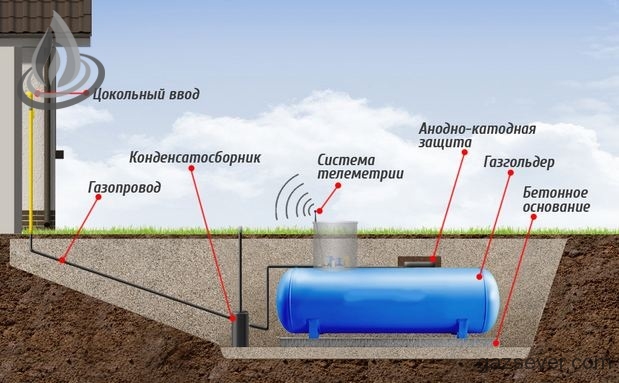
Gas holders consist of a cylindrical tank that sits within a larger cylindrical container, called a galerya, with an open top. The top of the inner tank is connected to the gas supply, while the top of the outer container is open to the atmosphere. This allows for the expansion and contraction of the gas as its volume changes with temperature variations.
The installation and mounting of gas holders involve several steps, including site selection, excavation of a pit or trench, placement of the gas holder, and connection to the gas supply. Professional gas engineers handle the design and installation process to ensure optimal performance and safety.
Gas holders have various safety features, including pressure relief valves, level indicator systems, and emergency shut-off valves. Regular maintenance and inspection are necessary to ensure the proper functioning of the gas holder and to prevent any potential accidents or gas leaks.
In summary, a gas holder is a storage device used in residential settings to store and supply liquefied or natural gas for household use. It plays a crucial role in maintaining a constant supply of gas for cooking, heating, and other domestic needs. Proper installation and maintenance are essential for the safe and efficient operation of gas holders in private homes.
Variants of tank installation
Gas holders are widely used in residential buildings to provide a centralized gas supply system. These devices can be installed in various ways, depending on the specific requirements and conditions of the site. There are several options for installing gas holders, each with its advantages and disadvantages.
Above-ground installation
In this type of installation, the gas holder is placed above the ground, either within the house or in a separate structure. This option is commonly used for small-volume gas holders, typically found in individual residential buildings. Above-ground installation allows for easy access and maintenance, as well as better visibility of the gas holder’s condition. However, it takes up valuable space and can affect the aesthetics of the surroundings.
Underground installation
For larger gas holders or when space is limited, underground installation is a suitable option. The gas holder is placed in a specially designed pit or gallery, ensuring its stability and safety. This type of installation offers the advantage of saving space and maintaining the aesthetics of the surroundings. However, it requires careful planning and engineering, as well as proper ventilation and access for maintenance purposes.
When it comes to residential properties, it is important to consider the safety aspects of gas holder installation. Special regulations and guidelines apply to the installation of gas holders, ensuring the proper handling and maintenance of these devices. It is recommended to consult with professionals and obtain the necessary permits before proceeding with any installation work.
| Type of Installation | Advantages | Disadvantages |
|---|---|---|
| Above-ground | Easy access and maintenance | Takes up space, affects aesthetics |
| Underground | Saves space, maintains aesthetics | Requires careful planning and engineering |
Installation Works
One of the crucial steps in setting up a gas holder for a private house is conducting the installation works. With the aim of ensuring the safe and reliable operation of gas holders, proper installation procedures must be followed. Here is a brief guide on how to carry out the installation works:
Step 1: Excavation
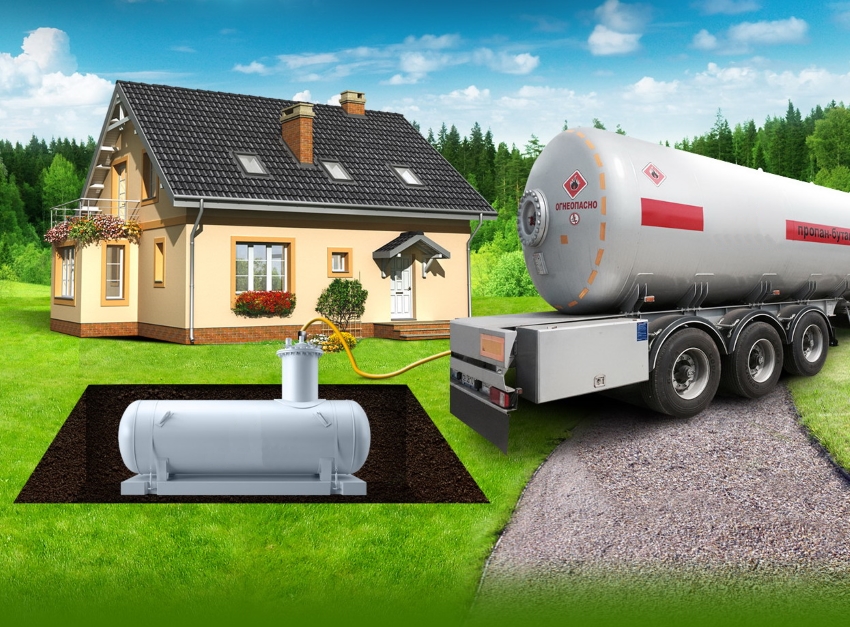
Before installing the gas holder, a pit or trench known as a «kotlovan» needs to be excavated in the chosen location outside the house. The size of the kotlovan depends on the volume of the gas holder and local regulations. The kotlovan should be deep enough to accommodate the gas holder and provide easy access for maintenance and inspection.
Step 2: Positioning the Gas Holder
Once the kotlovan is ready, the gas holder can be placed inside. It is essential to ensure that the gas holder is positioned correctly to allow for the connection of gas supply pipes and other necessary components.
The gas holder is typically a cylindrical, underground tank made of materials that can safely store liquefied petroleum gas (LPG) or propane. It is designed to withstand the pressure of the gas and be durable enough for long-term use.
Step 3: Connecting Gas Supply

After positioning the gas holder, the next step is to connect it to the centralized gas supply system or a separate LPG tank. This involves attaching the gas pipes to the underground gas storage tank, ensuring proper sealing and connections.
Note that for the installation of a household gas holder, specialized knowledge and skills are required. It is recommended to hire a professional gas service provider or a licensed installer to ensure the safe and compliant installation.
Step 4: Testing and Inspection
Once the gas holder is installed and connected, it is crucial to conduct thorough testing and inspection to ensure its proper functioning. This includes checking for any leaks, verifying the pressure levels, and ensuring all safety devices are in place.
A certified inspector should perform these tests to guarantee that the gas holder meets all safety standards and regulations.
Following these steps will enable the successful installation of a gas holder in a private household, providing a reliable and convenient source of gas for heating, cooking, and other domestic needs.
Видео:
5 ГРУБЕЙШИХ ОШИБОК монтажа газового котла с КРУПНЫМИ последствиями
5 ГРУБЕЙШИХ ОШИБОК монтажа газового котла с КРУПНЫМИ последствиями de ТехноТерм 532.206 visualizaciones hace 4 años 7 minutos y 35 segundos


