Installation of Built-in Extractor Hood — Placement Options and Installation Guide
When designing a compact kitchen, the width of the range hood plays a crucial role. Many homeowners choose a round range hood instead of a traditional rectangular one to save space. However, regardless of the shape, it is essential to properly install and position the range hood to ensure efficient and effective ventilation.
Before starting the installation process, it is important to familiarize yourself with the rules and regulations regarding range hood installation in your area. This will help you determine the appropriate location and ensure compliance with safety requirements. Keep in mind that only a certified electrician should handle the wiring and electrical connections.
The first step is to choose the location for the range hood. In most cases, the range hood is installed above the kitchen stove or cooktop. However, it can also be installed on a nearby wall or in a kitchen cabinet. Regardless of the chosen location, there should always be an adequate amount of space around the range hood for proper air circulation and ventilation.
Once the location is determined, mark the spot for installation. If the range hood needs to be mounted on a cabinet, make sure there is an opening or a pre-designed slot in the cabinet to accommodate the range hood. The range hood can also be mounted directly on the wall, in which case you will need to make a hole for the vent duct.
After making the necessary markings and holes, proceed with the installation. Carefully follow the manufacturer’s instructions and ensure that all necessary elements, such as screws and brackets, are included in the package. It is also important to check the performance and airflow capacity of the range hood to ensure it meets the requirements of your kitchen.
During the installation process, it is crucial to provide proper ventilation by connecting the range hood to the ventilation duct. Additionally, installing a filter is essential for capturing grease, odors, and other impurities from the air. Regular cleaning and maintenance of the filter is necessary to ensure the range hood’s optimal performance.
Remember to always prioritize safety and strictly adhere to the manufacturer’s guidelines for installation. If you are unsure about any step of the process, it is recommended to consult a professional for assistance. And don’t forget, a properly installed and functioning range hood is not only a practical element of your kitchen, but also a stylish addition that enhances the overall design of the space.
For a more visual guide on the installation process, check out the helpful video below:
Device of exhaust equipment
Devices for extracting air from a room are different in their design, performance and installation options. Before installing an exhaust hood, it is important to understand the structure of this equipment and the rules for its correct installation.
The main element of the exhaust system is the exhaust hood, which is installed above the cooking surface. This hood captures odors, steam, grease and other impurities released during the cooking process. To remove these contaminants from the room, the hood is connected to an air duct. The duct is a metal or plastic pipe through which the polluted indoor air is directed outside the building.
The width of the exhaust hood is usually determined by the dimensions of the cooking surface. The performance of the hood should correspond to the intensity of cooking and the size of the room. To calculate the required performance, a rule is used: multiply the volume of the room by the number of air changes desired per hour. The resulting value will be the necessary performance of the exhaust hood.
After determining the required performance, it is necessary to choose the appropriate model of the exhaust hood. It is important to consider the location of the kitchen cabinets, as well as the available space for installation. There are several options for installing the exhaust hood:
- Mounting the hood directly on the wall.
- Mounting the hood in a cabinet above the cooking surface.
- Installing the hood in a ventilation shaft or a separate ventilation compartment.
- Installing the hood in a suspended ceiling.
Regardless of the chosen installation option, it is necessary to properly connect the exhaust hood to the air duct. To do this, use metal or plastic pipes that are specially designed for this purpose. It is important to securely fasten the duct to the hood and to the ventilation shaft or compartment. This will ensure the reliability and efficiency of the exhaust system.
In addition to the air duct, an important element of the exhaust equipment is the filter. The filter is designed to trap grease and other solid particles suspended in the air. There are different types of filters: paper, metal, and plastic. Paper filters are disposable and need to be replaced regularly. Metal and plastic filters can be washed and reused. The choice of filter depends on the model of the exhaust hood and the level of pollution in the room.
After the installation of the exhaust hood and the air duct, it is important to make sure that the system is working properly. To do this, turn on the hood and check the operation of the motor, the presence of noise, and the effectiveness of air extraction. The exhaust system should effectively remove odors, steam, and other pollutants, creating a comfortable and healthy indoor environment.
Performance, Filters, Control
When installing a built-in range hood, it is important to consider its performance, filters, and control features. These elements play a crucial role in the effectiveness and efficiency of the ventilation system, ensuring a cleaner and healthier cooking environment.
Firstly, it is important to remember that the performance of a range hood is measured by its airflow capacity, which is expressed in cubic feet per minute (CFM). The higher the CFM rating, the better the ventilation and removal of cooking odors, smoke, and grease particles from the kitchen.
Filters are an essential component of any range hood as they trap and remove grease and other impurities from the air. There are two main types of filters commonly used in range hoods:
- Metal filters: These are made of aluminum or stainless steel and can be easily cleaned and reused. They are highly effective at trapping grease and are recommended for heavy cooking.
- Charcoal filters: These use activated carbon to absorb odors and are typically used in ductless range hoods. They should be replaced regularly to maintain their effectiveness.
Control options for a built-in range hood vary depending on the model and features, but there are some common methods for operating the ventilation system:
- Switch controls: These are simple on/off switches located on the range hood itself or on a nearby wall.
- Touch controls: These offer more precise control over the fan speed and lighting, usually featuring buttons or a touch screen panel.
- Remote controls: Some high-end range hoods come with a remote control, allowing you to adjust the settings from a distance.
It is important to note that the installation process of a built-in range hood should strictly adhere to the manufacturer’s instructions. The positioning and size of the range hood should match the dimensions of the cooking surface and the surrounding cabinetry. The range hood can be installed directly on the wall or integrated into a cabinet, depending on the layout of the kitchen. In some cases, a ducted installation may be necessary to vent the air to the outside using a metal or plastic duct.
By choosing the right filters and understanding the control options, you can ensure that your built-in range hood effectively removes contaminants from the air and maintains a clean and enjoyable cooking environment.
Installation Rules
When installing a built-in extractor hood, there are several important rules to follow to ensure the proper functioning and efficiency of the ventilation system.
1. Measurements and Placement
Prior to installation, it is crucial to measure the dimensions of the cabinet where the extractor hood will be installed. The width of the extractor hood should correspond to the width of the cabinet. It is also important to consider the overall surface area of the kitchen, as this will impact the performance of the extractor hood.
Furthermore, the height at which the extractor hood is installed is important. As a general rule, the bottom of the hood should be positioned at a minimum of 65 centimeters above the hob.
2. Marking and Mounting
Before mounting the extractor hood, it is necessary to carefully mark the positions where the screws or brackets will be fixed. This will ensure that the hood is properly aligned and secured in place.
If the extractor hood is installed with an air extraction system (where air is vented to the outside), it is crucial to measure the exact position of the ventilation hole on the wall. For recirculation systems (where the air is filtered and re-circulated back into the kitchen), the installation process will differ slightly.
Once the marking is done, the next step is to attach the brackets or screws to the cabinet. It is important to use the correct tools and follow the manufacturer’s instructions for this step.
3. Connectivity and Control
After the hood is mounted, the next step is to connect it to the power supply. Most built-in extractor hoods come with a power cord for easy connection. Additionally, if the hood has control buttons or a display, it is important to connect these as well.
It is recommended to have a professional electrician handle the electrical connection to ensure safety and compliance with local regulations.
4. Filters and Maintenance

One important aspect of the installation process is the installation of the filters. Most extractor hoods have one or more filters, such as grease filters or carbon filters, depending on the type of hood and the chosen ventilation system.
It is important to follow the manufacturer’s instructions for filter installation. Regular maintenance and cleaning of the filters are also necessary to ensure the efficient and effective performance of the extractor hood.
Overall, the installation of a built-in extractor hood requires careful consideration of measurements, proper marking, correct mounting, and appropriate connectivity. Following these rules will ensure a successful installation and optimal performance of the ventilation system in the kitchen.
Conclusions and Useful Video on the Topic
Based on the information discussed, here are some key takeaways regarding the installation of a built-in range hood:
Installation Options
There are several options for installing a built-in range hood:
- Under Cabinet: This is a popular option where the range hood is installed beneath a cabinet.
- Wall-Mounted: In this option, the range hood is mounted on the wall.
- Island: Suitable for kitchen islands, this option requires the range hood to be suspended from the ceiling.
Installation Process
The installation process involves the following steps:
- Determine the location and mark the wall for proper alignment.
- Drill holes and secure the mounting bracket.
- Connect the necessary electrical wiring.
- Attach the range hood to the mounting bracket.
- Install any additional features, such as filters or ductwork.
Requirements for Installation
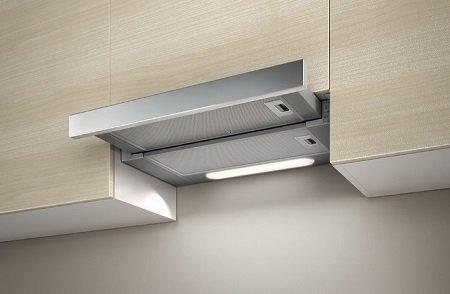
When installing a built-in range hood, it’s important to consider the following requirements:
- The size of the range hood should match the dimensions of your kitchen cabinet or space.
- Proper ventilation is crucial for ensuring the range hood’s performance.
- For ducted installation, a vent or chimney is required to direct the air outside the kitchen.
- Recirculation is an option for kitchens without an external vent, but it may affect the range hood’s performance.
Useful Video
Here is a helpful video that provides a step-by-step guide on installing a built-in range hood: Video Title
| Pros | Cons |
|---|---|
| Efficiently removes smoke and odors from the kitchen. | Requires proper installation for optimal performance. |
| Can be integrated seamlessly with kitchen cabinetry. | May take up valuable storage space in the cabinet. |
| Improves air quality by filtering contaminants. | Some models may have limited fan speeds or features. |
In conclusion, installing a built-in range hood is a crucial part of a well-designed kitchen. It not only enhances the overall aesthetic but also ensures proper ventilation and improves air quality. By understanding the installation process and following the manufacturer’s guidelines, you can successfully install a built-in range hood that meets your kitchen’s needs and provides efficient performance.
Видео:
⚫ УСТАНОВКА ВСТРАИВАЕМОЙ ВЫТЯЖКИ (за 5 мин)
⚫ УСТАНОВКА ВСТРАИВАЕМОЙ ВЫТЯЖКИ (за 5 мин) by ЛЕГКО и ПРОСТО — СВОИМИ РУКАМИ 84,631 views 3 years ago 4 minutes, 13 seconds


