Why does a gas water heater go out? Typical causes and a guide to fixing them
Gas columns are a common and convenient way to heat water in many households. However, sometimes the flame of a gas column may suddenly go out, leaving you without hot water. This can be a frustrating experience, especially if you don’t know what caused it. In this article, we will explore the typical reasons for the flame extinguishing and provide recommendations on how to troubleshoot and fix these issues.
One of the most common problems leading to the extinguishment of the gas column’s flame is insufficient air supply. Gas columns rely on the proper balance of air and gas to create a steady and efficient flame. If the airflow is restricted, the flame may start to flicker and eventually go out. To address this issue, it is essential to regularly clean the air intake and exhaust vents of the gas column. A small blockage or buildup of debris can disrupt the airflow and cause the flame to falter.
Another significant factor that can cause the flame to go out is a malfunctioning thermocouple. The thermocouple is a safety device that detects whether the pilot light is lit and signals the gas valve to stay open. If the thermocouple is faulty or dirty, it may not sense the heat from the pilot light, causing the gas valve to shut off and extinguishing the flame. To troubleshoot this issue, you can try cleaning the thermocouple with a small brush or replace it if necessary.
Furthermore, the gas and water pressure can affect the stability of the flame. If the gas pressure is too low, the flame may struggle to stay lit or go out completely. Similarly, if the water pressure is too high, it can disturb the flame and cause it to extinguish. Checking and adjusting the gas and water pressure can help restore a steady and consistent flame. Additionally, it’s important to inspect the gas line for any leaks or damage that may affect the gas flow.
In conclusion, the flame of a gas column can go out due to various reasons, including insufficient air supply, a malfunctioning thermocouple, and improper gas or water pressure. Regular maintenance and careful inspection of these elements can help prevent the flame from extinguishing. If you are unsure how to troubleshoot or fix the issue, it is recommended to consult a professional technician who can provide expert guidance and ensure the proper functioning of your gas column.
Device and principle of operation of the column
The gas column is a device designed for heating water by burning gas. It consists of several important components that work together to provide hot water. One of the main components is the burner, which is responsible for creating a flame. There are different types of burners used in gas columns, including Bosch, Junkers, and Nevа.
The principle of operation of the gas column is based on the presence of a gas supply, ignition, and heat exchange. When the gas supply is turned on, gas enters the burner and mixes with air. Ignition, usually done by a piezoelectric element, generates a spark that ignites the gas-air mixture, creating a flame.
The flame heats the heat exchanger, which is responsible for transferring heat from the burning gas to the water flowing through it. The heated water then flows out of the gas column and into the water supply system.
However, there can be various problems that can cause the flame to extinguish. One of the common issues is insufficient gas supply. This can happen due to clogged gas filters or a low gas pressure in the water supply system. Regular cleaning of gas filters and checking gas pressure is recommended to ensure proper gas supply.
Another common problem is a weak draft in the chimney. A weak draft can result in improper combustion and the flame being easily extinguished. To resolve this issue, it is necessary to clean the chimney and check for any obstructions or blockages.
In some cases, the flame may also go out as a result of overheating. Overheating can occur due to a malfunctioning heat exchanger or a faulty thermostat. In such situations, it is recommended to have the heat exchanger checked and replaced if necessary.
Additionally, problems with the ignition system can lead to the flame going out. This can be caused by a faulty piezoelectric element or poor contact between the ignition system components. Regular inspection and maintenance of the ignition system can help prevent such issues.
In conclusion, the gas column works based on the principle of gas ignition and heat exchange. Understanding the device and its components, as well as being aware of the common problems that can cause the flame to extinguish, can help troubleshoot and resolve issues effectively. It is always better to consult a professional if troubleshooting steps do not solve the problem.
Causes of Gas Water Heater Flame Out

Gas water heaters can sometimes experience problems with the flame going out unexpectedly. This can lead to a lack of hot water and can be quite inconvenient. Understanding the possible causes of this issue can help you troubleshoot and resolve the problem.
One common cause of a gas water heater flame going out is a weak or disrupted gas flow. This can occur if there is a blockage in the gas line or if the gas pressure is too low. In some cases, the gas valve may be faulty and not allowing enough gas to flow through the burner. Additionally, a dirty or clogged gas burner can also result in a weak flame that may eventually go out.
Another potential cause of flame out is a malfunctioning thermocouple. The thermocouple is a safety device that detects whether the pilot light is lit and sends a signal to the gas valve to keep the gas supply open. If the thermocouple is dirty or faulty, it may not be able to properly detect the pilot light, causing the gas valve to close and the flame to go out.
In some cases, the flame may go out due to problems with the ignition system. For gas water heaters with electric ignition, a malfunctioning electronic control module or a faulty spark electrode can prevent the burner from igniting, causing the flame to go out. Similarly, for gas water heaters with a pilot light, a faulty pilot assembly or a dirty pilot orifice can prevent the pilot from staying lit and lead to flame out.
Other factors that can contribute to the flame going out include insufficient ventilation, which can lead to a lack of oxygen for combustion, and overheating of the water heater, which can cause the high limit switch to trip and shut off the burner. Additionally, in older models with standing pilot lights, small insects or debris can interfere with the burner’s operation and cause the flame to go out.
If your gas water heater flame keeps going out, it is important to address the issue promptly to ensure proper and safe operation. While some problems can be resolved with simple cleaning and maintenance, others may require professional assistance or even the replacement of certain components. It is always best to consult the manufacturer’s manual or seek the help of a qualified technician to diagnose and resolve the underlying cause of the problem.
Reason 1 — Lack of draft in the chimney
One of the most common causes for a gas water heater to go out is the lack of draft in the chimney. Draft is the force that pulls the combustion gases out of the gas water heater and expels them outside. When there is a lack of draft, the combustion gases cannot exit the chimney properly, causing the gas water heater to go out.
There are several significant reasons why the draft can be lacking in the chimney. One reason could be a blockage or obstruction in the chimney, preventing the combustion gases from escaping. Another reason could be insufficient air supply to the combustion chamber, which affects the draft. Additionally, changes in the outdoor temperature or atmospheric conditions can also affect the draft.
To diagnose and fix this issue, you can start by checking for any obstructions in the chimney. Make sure that the chimney is clear and free from debris, nests or anything that might be blocking the airflow. If there are any obstructions, remove them carefully.
Another step is to check the operation of the draft regulator or draft diverter. These are the elements responsible for controlling the draft in the chimney. If they are not working correctly, it can lead to a lack of draft. You may need to clean or adjust these components to restore proper draft.
In some cases, the issue might lie with the chimney itself. If the chimney has not been properly installed or is too short, it can affect the draft. It is recommended to consult a professional to evaluate the chimney’s design and make any necessary modifications.
Overall, addressing the lack of draft in the chimney is crucial to ensure the proper functioning of a gas water heater. By checking for blockages, examining the draft regulator, and ensuring proper chimney design, you can resolve this issue and prevent frequent outages.
Reason 2 — Regular Burner Flame Extinguishment

One of the typical causes of gas water heater malfunction is the regular extinguishment of the burner flame. Modern gas water heater models have a safety feature that automatically shuts off the gas supply to prevent a dangerous situation in case the flame is not present or not stable.
To understand this reason better, let’s examine the elements of the gas burner and the possible issues that can lead to flame extinguishment:
— Gas supply. The gas supply tube provides the fuel for the burner. If there is a problem with the gas supply, such as low pressure or blockage, the flame may not ignite or may go out during operation. Check the gas supply valve and make sure it is fully open. Also, check the gas supply pipe for any obstructions or leaks.
— Ignition system. The ignition system, usually an electric spark or a pilot light, is responsible for igniting the gas and starting the burner flame. If the ignition system is faulty or not functioning properly, the flame may not ignite or may be intermittent. Check the ignition system components, such as the spark electrode, thermocouple, or pilot light, and replace them if necessary.
— Flame stability. The burner flame should be steady and consistent. If the flame is flickering or dancing, it may indicate a problem with the air-fuel mixture or airflow. Check the air intake and exhaust vents for any blockages or restrictions. Clean or repair them as needed.
— Thermal safety features. Modern gas water heaters have thermal safety features that protect against overheating. If the temperature exceeds the safe limit, these features will shut off the gas supply to prevent damage or a potential hazard. Check the thermal safety switch or high limit control and replace if necessary.
— Venting system. The venting system is responsible for removing the products of combustion, such as carbon monoxide, from the gas water heater. If the venting system is blocked or obstructed, it can cause the flame to go out due to improper airflow. Inspect the vent pipes and chimney for any blockages or damage, and clean or repair them accordingly.
To prevent regular burner flame extinguishment, regular maintenance is crucial. Cleaning the burner, checking the gas supply, inspecting the ignition system, and maintaining the venting system should be done periodically. It is also recommended to consult the manufacturer’s instructions or contact a professional technician for thorough inspection and routine servicing of the gas water heater.
Reason 3 — Significant overheating of water
At a certain moment, the water heater’s burner flame weakens and eventually goes out, which is an indicator of the problem. The language used by the gas water heater, whose main purpose is to maintain the proper functioning of the appliance, starts fading away. This can occur as a result of various factors and requires prompt attention and troubleshooting.
One of the possible causes of significant water overheating is the malfunction of the thermocouple or the membrane in modern models. The thermocouple is responsible for controlling the temperature of the water, while the membrane helps regulate the gas flow. If these components are faulty or damaged, the gas water heater may experience issues with maintaining the proper temperature, leading to eventual overheating.
In some cases, the gas water heater may experience weak water pressure due to problems with the water supply or plumbing system. If the water flow to the gas water heater is insufficient, the overheating of the water can occur. It is essential to check the water supply and ensure proper water pressure to avoid such issues.
Another possible cause of significant water overheating is the lack of proper maintenance or cleaning of the gas water heater. Over time, sediments and deposits can build up in the water heater’s components, including the burner and the flue pipe. These deposits can interfere with the proper functioning of the gas water heater and reduce its efficiency, leading to overheating.
To address the issue of significant water overheating in gas water heaters, several steps can be taken:
- Regularly inspect and clean the burner and flue pipe to remove any deposits or obstructions.
- Check the thermocouple and membrane in modern models to ensure they are functioning correctly. Replace any faulty components if necessary.
- Verify the water supply and water pressure, ensuring that the gas water heater receives sufficient water flow.
- If the problem persists, it is advisable to contact a professional for further inspection and repair.
By addressing the issue of significant water overheating in gas water heaters, the risk of damage or malfunction can be minimized, ensuring proper functionality and extending the lifespan of the appliance.
Cause 4 — insufficient water pressure
One of the common reasons why a gas water heater may be malfunctioning is due to insufficient water pressure. This can lead to a weak or inconsistent flow of water, resulting in a weak or non-existent flame in the burner. Here are some of the potential causes and steps to troubleshoot and fix the issue:
1. Verify water flow: Start by checking if there is enough water pressure from the main water supply. Make sure there are no other appliances or fixtures using excessive water at the same time.
2. Check the gas burner: Locate the burner assembly on the water heater. If it is a separate unit, detach the burner from the water heater and inspect it for any blockages or damages. Clean or replace if necessary.
3. Inspect the water inlet valve: Look for any signs of blockages or clogs in the water inlet valve. Clear out any debris that may be obstructing the flow of water.
4. Test the thermocouple: The thermocouple is a safety device that senses the pilot flame. If it is faulty, it may shut off the gas supply to the burner. Use a multimeter to test the thermocouple for proper functioning. Replace if needed.
5. Check for gas leaks: Inspect the gas connections and fittings for any leaks. Apply a mixture of soapy water to the connections and look for bubbles, which indicate a gas leak. Tighten or replace any faulty connections.
In case none of the above solutions resolve the issue of insufficient water pressure, it is recommended to consult a professional technician familiar with gas water heaters. Attempting to fix the problem without proper knowledge and expertise can be dangerous and may cause further damage to the water heater.
Reason 5 – Lack of Timely Maintenance
One of the common reasons why a gas column may start to malfunction and eventually extinguish is the lack of regular maintenance. Gas and water flow through the column constantly, and over time, deposits and impurities can accumulate, affecting its proper functioning.
In gas columns, the flame is ignited by a piezo element, which creates a spark. If this element becomes dirty or its contacts are worn out, the spark may weaken or not occur at all, leading to ignition failure.
Regular maintenance, such as checking and cleaning the spark ignition system, is necessary to ensure the proper functioning of the gas column. It is recommended to have a certified technician perform this maintenance at least once a year to prevent potential issues.
During the maintenance process, the technician will check the gas and water supply, clean the spark ignition system, and inspect the burner. They will also check for any leaks or other malfunctions. If any issues are detected, the technician will perform the necessary repairs or replacement.
By maintaining your gas column regularly, you can prevent problems such as ignition failure, reduced flame height, and complete extinguishing. Regular maintenance will also prolong the lifespan of the gas column and ensure its safe operation.
In conclusion, the lack of timely maintenance is one of the common reasons for gas column malfunction. Regular maintenance checks, cleaning of the spark ignition system, and inspection of the burner are crucial to ensure the proper functioning and prevent potential issues.
Common Problems for Specific Models
Gas water heaters can experience various problems that can cause them to malfunction and cause the flame to go out. Understanding the specific issues that can occur with different models can help in troubleshooting and resolving them effectively.
One common problem is the oxidation of the thermocouple. The thermocouple is a safety device that detects the presence of a flame and allows gas to flow to the burner. Over time, the thermocouple can become oxidized, which can result in the gas flow being interrupted and the flame going out. Regularly cleaning or replacing the thermocouple can prevent this issue.
In some models, the pilot light may go out if there is a disruption in the gas supply. This can be caused by a clogged or blocked gas line, a faulty gas valve, or low gas pressure. Checking the gas supply and ensuring proper pressure is essential for the normal functioning of the water heater.
Another problem that can occur in certain models is a clogged or dirty burner. The burner is responsible for heating the water in the tank, and if it gets clogged or dirty, it can affect the performance of the water heater. Regularly cleaning or unclogging the burner can improve its efficiency and prevent the flame from going out.
The flue or chimney can also be a source of problems for some models. If the flue is blocked or obstructed, it can cause improper ventilation and affect the combustion process. Regularly checking and cleaning the flue or chimney can prevent this issue and ensure the smooth operation of the water heater.
Modern gas water heaters often have advanced safety features and sensors that can detect issues such as insufficient airflow or abnormal temperature. If these sensors detect a problem, they can automatically shut off the gas supply to prevent any potential hazards. Understanding the functioning of these sensors and addressing any malfunctions promptly is crucial for the proper operation of the water heater.
In conclusion, the specific problems that can cause a gas water heater to go out may vary depending on the model. It is important to familiarize oneself with the specific construction and functioning of the water heater in order to effectively troubleshoot and resolve any issues. Regular maintenance and care can help prevent these problems and ensure a smooth and uninterrupted supply of hot water.
Problems with the thermocouple in Junkers Bosch
Junkers Bosch gas water heaters are widely used and reliable. However, like any other gas appliance, they can experience problems over time. One common issue that users may encounter is a faulty thermocouple.
The thermocouple is an essential safety device in gas water heaters. Its main function is to sense the presence of a pilot flame. If the pilot flame extinguishes for any reason, the thermocouple detects the lack of heat and shuts off the gas supply to prevent a potential gas leak.
In Junkers Bosch water heaters, the thermocouple is located near the pilot burner. It consists of a metal rod (called a «stalk») that extends into the pilot flame. When the flame is present, it produces a small electrical current, which the thermocouple detects and uses to keep the gas valve open. If the flame goes out, the electrical current stops, and the thermocouple shuts off the gas valve.
There are several reasons why the thermocouple in Junkers Bosch water heaters may fail:
| Cause | Solution |
|---|---|
| 1. Pilot flame not reaching the thermocouple | Ensure that the pilot flame is properly adjusted and reaching the tip of the thermocouple. |
| 2. Thermocouple is dirty or corroded | Clean the thermocouple with a soft brush or replace it if necessary. |
| 3. Faulty thermocouple | Replace the thermocouple with a new one. |
| 4. Weak electrical connection | Check the electrical connections of the thermocouple and ensure they are tight and secure. |
If you are experiencing issues with your Junkers Bosch gas water heater, it is recommended to contact a qualified technician for troubleshooting and repair. Attempting to fix the problem yourself may result in further damage or injury. Remember to always prioritize your safety and consult a professional when dealing with gas appliances.
Oxidation of contacts in Vector columns
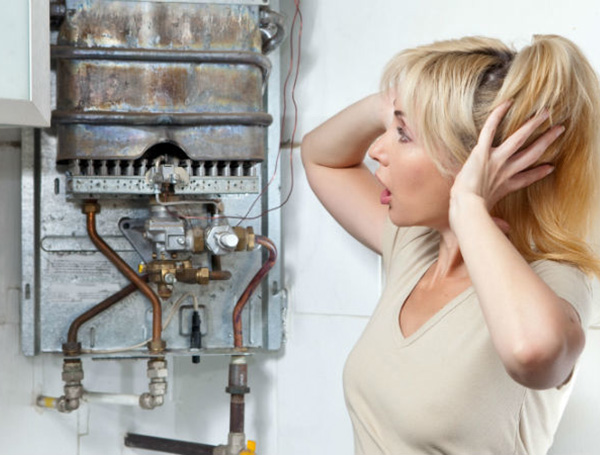
Oxidation of contacts is one of the common issues that can cause the gas column to weaken and eventually malfunction. In Vector columns, the problem can arise due to the construction of the columns and the presence of water with high pressure and coarse impurities.
When the gas column is started, water with a strong jet enters the column and, as a result, the contacts get oxidized. This can lead to a decrease in the principle of the thermocouple, which is responsible for the operation of the igniter. In the absence of proper maintenance, the oxidation of individual contacts gradually occurs, leading to a malfunction of the columns.
To prevent this issue, it is recommended to check the condition of the contacts regularly. In case of oxidation, it is necessary to clean the contacts using a small file, ensuring that the ignition button functions properly. After cleaning the contacts, the gas column can be started again.
In some models of Vector columns, there is a valve that controls the temperature. In case of a malfunction or in the absence of the valve, the temperature can rise significantly, resulting in the oxidation of contacts. Therefore, it is important to check the temperature of the gas column and take necessary measures to prevent any issues.
Another common cause of oxidation is the presence of junkers inside the gas column. These junkers can accumulate over time and block the flow of gas, leading to a weakening of the column’s performance. To avoid this, it is advisable to regularly check and clean the gas column’s filters.
In conclusion, the oxidation of contacts can be a significant problem in Vector gas columns. Regular maintenance and cleaning of contacts, as well as checking the temperature and ensuring the absence of junkers, can help prevent and resolve this issue.
Problems with the Stalk in Neva Models
When it comes to gas water heaters, one common problem that homeowners often encounter is the deterioration of the stalk in Neva models. The stalk is a vital component responsible for the proper functioning of the heater. In this section, we will explore the underlying causes of this problem and provide guidance on how to address it effectively.
1. Insufficient Heating
- If you notice a significant decrease in the temperature of the hot water, it could be due to a faulty stalk.
- To address this issue, start by turning off the heater and allowing it to cool down.
- Next, remove the front cover to access the internals of the heater.
- Locate the stalk, which is usually situated near the burners, and carefully inspect it for any signs of damage or blockage.
- If there are any obstructions, remove them using a soft brush or cloth.
- Once the stalk is clean, reassemble the parts and try using the heater again to see if the problem is resolved.
2. Inconsistent Flame
- If you notice that the flame in your Neva model gas water heater is irregular or weak, it could be a result of a malfunctioning stalk.
- To address this issue, start by turning off the gas supply and allowing the heater to cool down.
- Remove the front cover and locate the stalk.
- Inspect the stalk for any signs of damage or wear.
- If the stalk appears to be worn out or damaged, it may need to be replaced.
- Consult the manufacturer’s manual or seek professional assistance for guidance on how to replace the stalk.
3. Overheating
- In some cases, the stalk in Neva models can become overheated due to prolonged use.
- This can result in a decrease in the overall efficiency and performance of the heater.
- To address this issue, start by turning off the heater and allowing it to cool down completely.
- Inspect the stalk and surrounding components for any signs of overheating or damage.
- If the stalk shows signs of overheating, it is recommended to contact a professional technician to assess the situation and provide the necessary repair or replacement.
It is crucial to address problems with the stalk in Neva models promptly to ensure the proper functioning and longevity of the gas water heater. Regular maintenance and inspection of the stalk can help prevent potential issues and prolong the lifespan of the device. If you are unsure about performing any repairs or replacements yourself, it is always best to seek professional assistance to avoid any further damage or safety hazards.
Conclusions and helpful video on the topic
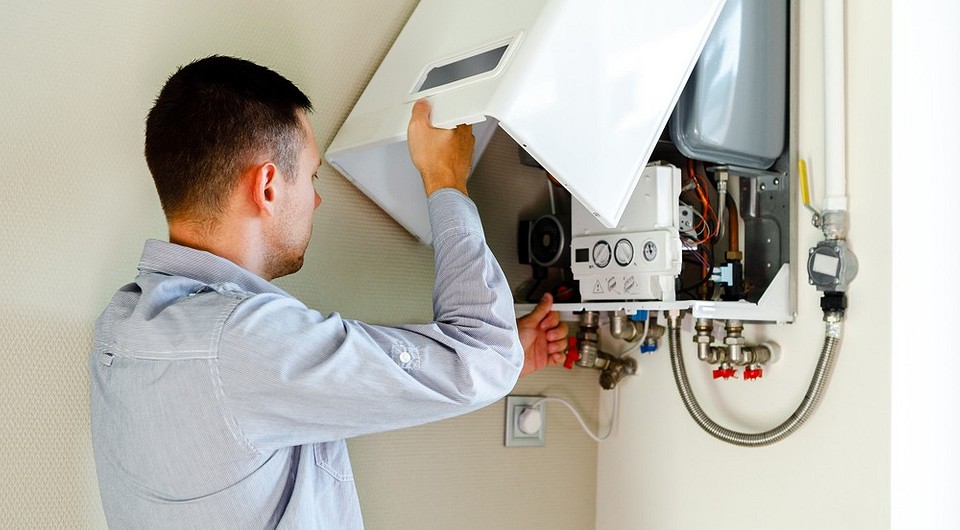
In the context of the topic «Why does a gas water heater go out typical causes and a guide to troubleshooting», it’s important to understand the reasons behind the extinguishing of a gas water heater and how to address them. Here are some key takeaways:
1. One of the common reasons for a gas water heater to go out is a decrease in the temperature of the water. This can be caused by a malfunctioning burner or a problem with the thermocouple.
2. To troubleshoot the issue, start by checking the gas supply and ensuring it’s sufficient. Also, make sure the pilot light is lit and has a strong blue flame. If the flame is weak or yellow, it may indicate a problem with the burner.
3. Other possible causes for the gas water heater to go out include clogged or dirty components, such as the flue pipe or the burner. These can be cleaned or cleared to restore normal functioning.
4. It’s also important to check the contacts of the thermocouple and the piezo element, as faulty connections can lead to the pilot light going out. Make sure they are properly secured and functioning correctly.
5. Different models of gas water heaters may have specific troubleshooting steps, so refer to the manufacturer’s manual or contact a professional if needed. Brands like Bosch provide detailed guides for their specific models.
Overall, if a gas water heater constantly goes out, it’s important to identify and address the underlying issues. Regular maintenance and cleaning can help prevent problems and ensure the heater functions properly.
For a more visual demonstration of troubleshooting a gas water heater that keeps going out, check out the following helpful video:
[Insert link to helpful video]
Видео:
ГАЗОВАЯ КОЛОНКА ТУХНЕТ ИЛИ НЕ ЗАЖИГАЕТСЯ
ГАЗОВАЯ КОЛОНКА ТУХНЕТ ИЛИ НЕ ЗАЖИГАЕТСЯ de ИНТЕРЕСНЫЕ ИДЕИ СВОИМИ РУКАМИ 435.671 visualizaciones hace 6 años 6 minutos y 7 segundos


